
Once Again Featured in a Prestigious International Journal! Hu Fengyi’s Team at Yunnan University Turns Annual Rice into Perennial Rice
Source:BGI Bioverse View count:89173
Image Source: Screenshot of the Paper
Recently, Professor Hu Fengyi’s team at Yunnan University, in collaboration with relevant research groups at home and abroad, published a research paper titled Sustainable Productivity and Production Potential of Perennial Rice in the prestigious international academic journal Nature Sustainability. Simultaneously, they released a research brief entitled Perennial Rice Revolution for Sustainable Agriculture, detailing the team’s research achievements in the field of perennial rice over the past two decades.
Have you ever noticed that the major food crops in daily life are all annual herbaceous plants? For instance, the five staple grains and miscellaneous cereals we often refer to—rice, wheat, soybean, corn, tubers, etc.—are all annual crops.
This is the outcome of ten thousand years of artificial selection of food crops.
To ensure human reproduction, our ancestors domesticated food crops from their perennial wild relatives into annual cultivated varieties. This system of "sowing once and harvesting once" underpinned the origin of human civilization and continues to play this vital role in modern society.
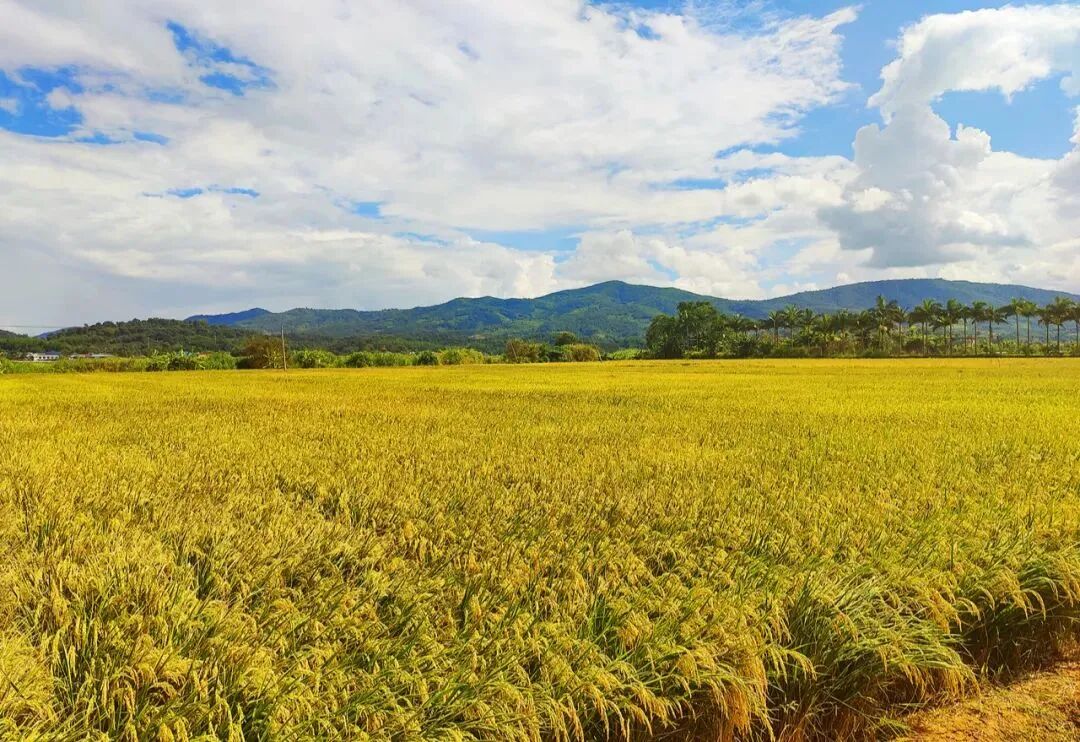
Since the advent of the Neolithic Revolution, annual cereal grains have been independently domesticated across multiple continents. Today, they account for the primary crops cultivated on 60%–80% of the world’s farmland and supply 80% of the global food demand.
Undoubtedly, human survival has long been inseparable from annual crops. Nevertheless, these crops have inherent drawbacks that urgently require improvement.
The paper points out that annual crops are typically grown in industrialized monocropping systems, which entail substantial inputs of labor, energy, pesticides and fertilizers. Long-term soil disturbance coupled with high-intensity inputs undermines essential ecosystem services, pushing ecosystems beyond the boundaries of sustainable environmental safety.
In addition, the above-ground parts of annual crops only cover the soil intermittently. This leaves infertile soils vulnerable to severe erosion of topsoil and nutrients following heavy rainfall— a process that not only depletes soil fertility but also triggers eutrophication in downstream aquatic ecosystems.
These issues are more prevalent in marginal lands, which support 50% of the world’s population and face escalating degradation risks with repeated cultivation cycles.
Therefore, developing innovative and sustainable agricultural ecosystems to balance food security and ecological safety amid a growing global population has become an urgent priority for current agricultural production. Breeding annual food crops into perennial varieties represents a critical strategy to address the dual challenges of food security and environmental degradation.
After over two decades of research, Professor Hu Fengyi’s team successfully converted annual rice into a perennial variety through interspecific distant hybridization. They used the perennial Oryza longistaminata (a wild rice species native to Africa with rhizomatous traits) as the male parent and annual Asian cultivated rice as the female parent, combined with molecular marker-assisted selection technology targeting rhizome-related traits.
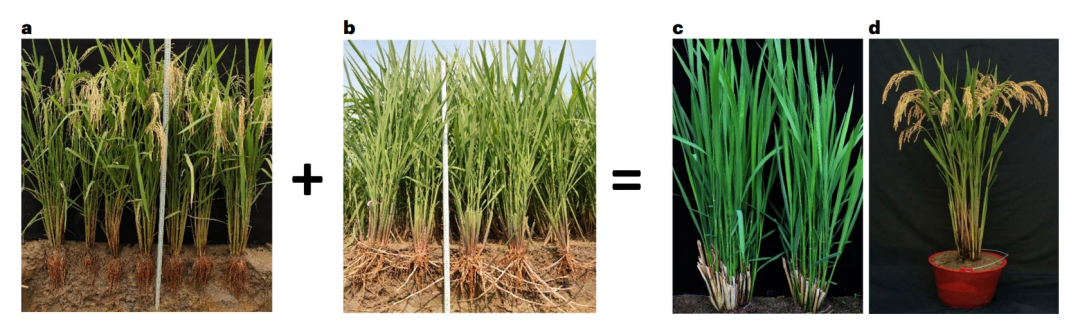
Image Source: Screenshot of the Paper
To date, the team has developed multiple perennial rice varieties including Perennial Rice 23, Yunda 25 and Yunda 107. Among them, Perennial Rice 23 (PR23) obtained variety certification in 2018. Boasting wide adaptability, high and stable yield, and strong perenniality, this variety marks a milestone in the breeding of perennial food crops via interspecific hybridization.
Once planted, perennial rice can be harvested continuously for 3–4 years without tillage. There is no need for ploughing or transplanting seedlings after each harvest; it enables "one planting, multiple harvests" just like Chinese chives, significantly reducing labor costs.
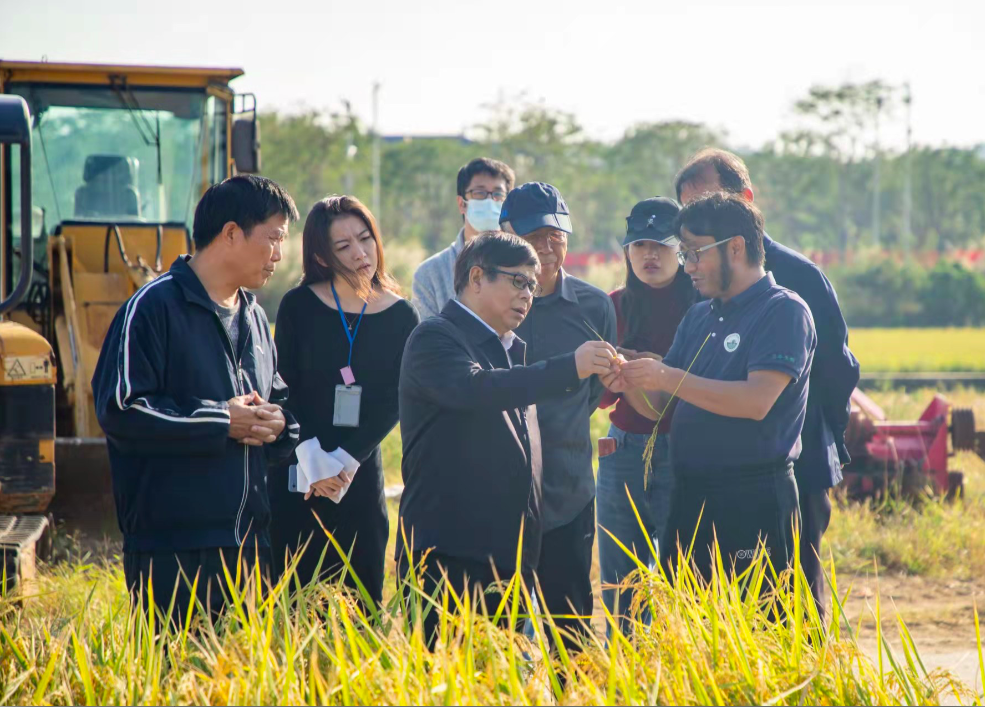
Professor Hu Fengyi (first from the right in the front row) observing perennial rice at the Dapeng Base in Shenzhen
Based on a no-tillage production system, the characteristic of perennial rice—being planted once and harvested continuously for multiple years—improves the soil structure of the plough layer in paddy fields and enhances soil fertility. The soil organic matter and total nitrogen content increase at an annual rate of 0.95 tons per hectare and 0.11 tons per hectare, respectively.
The paper preliminarily assesses that perennial rice holds broad application potential in rice-growing regions where the monthly average temperature in the coldest month is not lower than 13.5℃, and the duration of temperatures below 4℃ during the overwintering period does not exceed 5 days. In other words, it is suitable for frost-free rice-growing zones between 40° north and south latitudes.
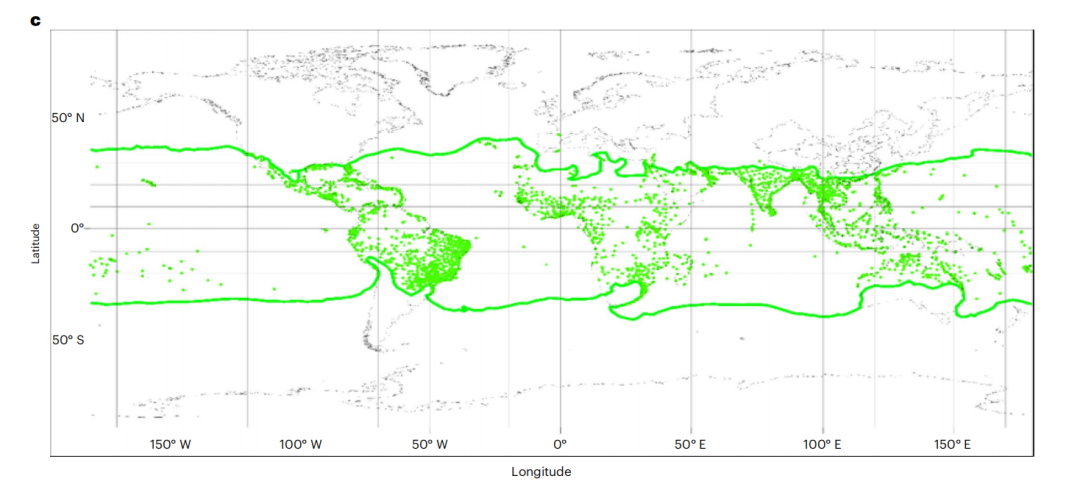
Image Source: Screenshot of the Paper
As of 2021, perennial rice has been successfully trialed and demonstrated in multiple countries along the Belt and Road, including China, South Asia, Southeast Asia and Africa, benefiting over 55,000 farming households.
In October 2022, Professor Hu Fengyi’s team at Yunnan University, in collaboration with BGI Bioverse, launched "Manla No.1"—a perennial rice variety derived from Yunda 26—onto the market for the first time.
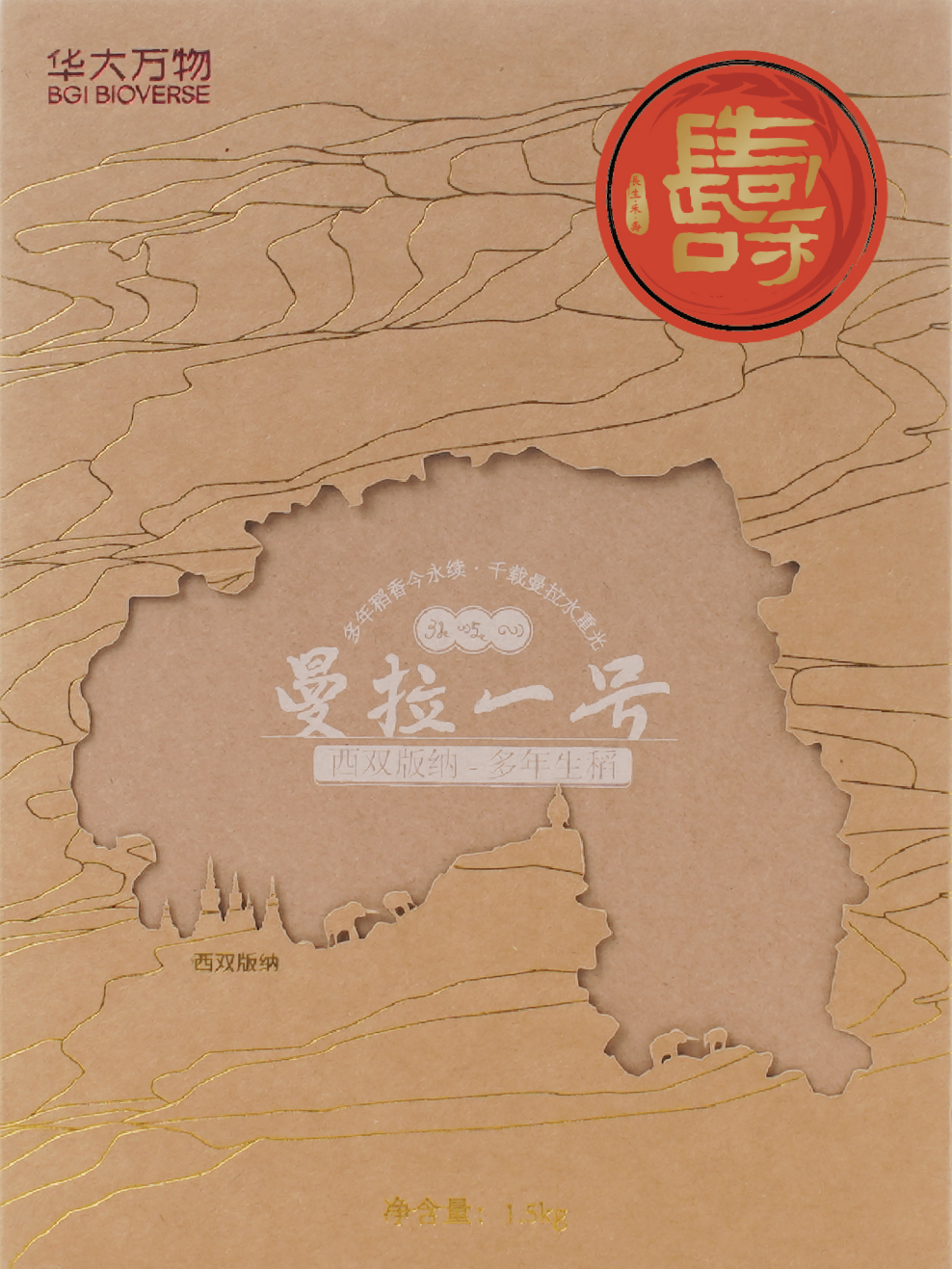
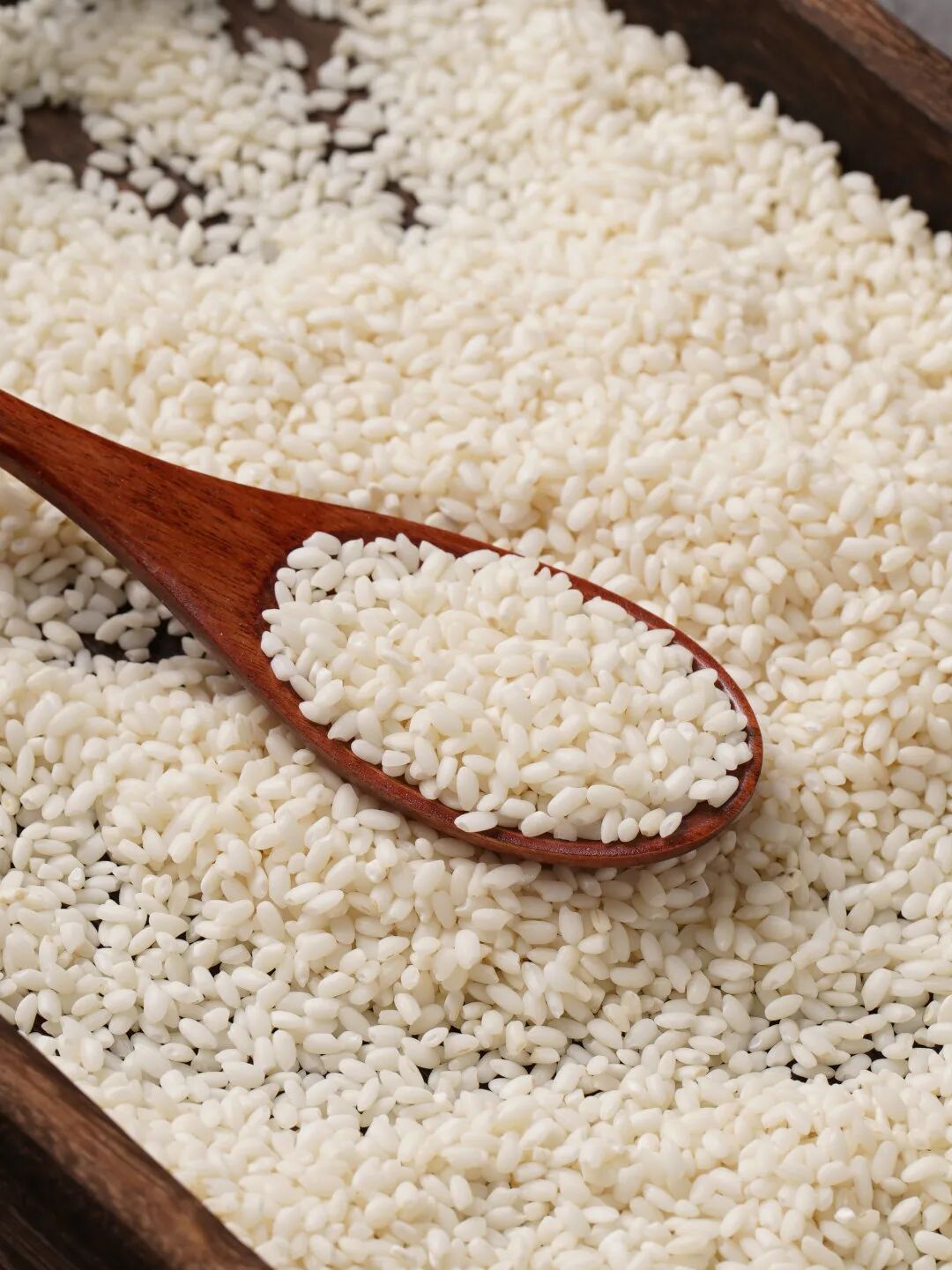
"Manla No.1" Product Schematic
It is named "Manla No.1" because it is produced in Manla Village, Menghai County, Xishuangbanna, Yunnan Province. Manla Village is traversed by the Liusha River, one of the source streams of the Lancang River. Blessed with fertile land and clear water resources, it has nurtured and carried forward the Dai ethnic group’s rice-farming civilization.
As the world’s only commercializable perennial food crop, perennial rice has garnered widespread public interest. The first batch of "Manla No.1" has been completely sold out. Going forward, BGI Bioverse will further promote it globally, providing a better variety option for rice cultivation and production worldwide.