
2022 World Food Day: No Hunger, No Cold in the World
Source:BGI Bioverse View count:78789
The Origin of World Food Day
On the planet we humans inhabit, not only are the species of animals and plants dwindling, but the varieties of crops are also decreasing. Ancient farmers cultivated as many as several thousand crop varieties, yet only about 150 of them are widely grown today, serving as humanity’s main food sources. Among these, corn, wheat, and rice account for approximately 60% of the global food supply. Around 40% of the world’s population relies on rice as their staple food, while most other crop varieties are on the brink of extinction. With the increasing monotony of crop varieties and the explosive growth of the world’s population, the global food supply is becoming increasingly vulnerable.

Since 1981, the Food and Agriculture Organization of the United Nations (FAO) has designated October 16 as World Food Day each year. Its aims are to arouse global attention to the development of food and agricultural production; inspire efforts from national, bilateral, multilateral and non-governmental stakeholders; encourage economic and technological cooperation among developing countries; empower rural people, especially women and the most disadvantaged groups, to participate in decisions and activities that affect their living conditions; raise public awareness of global hunger; promote the transfer of technology to developing countries; strengthen international and national solidarity in combating hunger, malnutrition and poverty; and highlight achievements in food and agricultural development.
Through the unremitting efforts of people around the world, the themes of World Food Day have evolved from "Food First", "Women in Agriculture" and "Rural Poverty" in the 1980s, to "Youth Against Hunger" in the 1990s, and further to "A Hunger-Free Millennium" and "Sustainable Food Systems for Food Security and Nutrition" in the 21st century. Each year's theme embodies aspirations for global agricultural development. October 16, 2022, marked the 42nd World Food Day globally, with the theme: "Leave No One Behind – Better Production, Better Nutrition, Better Environment, Better Life".

In China, the week when October 16 falls is designated as the National Food Security Publicity Week, with the theme: "Ensure Food Supply and Keep China's Food Bowl Firmly in Its Own Hands".
BGI's Two Decades of Efforts and Commitment
Over the past two decades, BGI has led by example, leveraging genomic technology and scientific research to boost agricultural development. With an especially strong bond with rice research, it has gradually forged a conscientious path for grain development that delivers benefits to society.
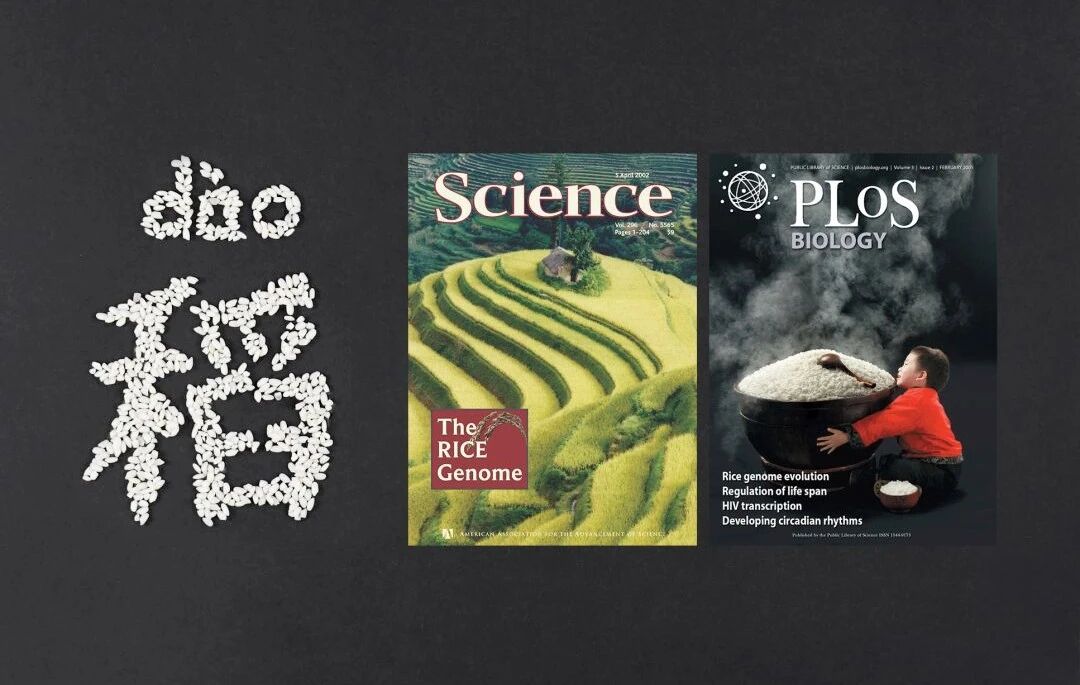
In 2000, after completing the "1%" task of the Human Genome Project, BGI soon set a new goal—focusing on rice, an important food crop with a long history in China. As the saying goes, "Food is the paramount necessity of the people," and rice is not only the most common but also the most crucial staple food in China. Research on the rice genome thus holds great significance. In April of the same year, BGI officially launched the Rice (Indica) Genome Project.
2002: The draft sequence of the rice genome was published as a cover article in Science;
2005: The high-quality reference genome of rice was published in PLOS Biology;
2011: A study on the genetic variation of the Asian cultivated rice genome was published in Nature Biotechnology;
2015: Participation in the first genome assembly and research of Oryza longistaminata was published in Molecular Plant;
2018: Genomic research on 3,010 core rice germplasm resources was published in Nature;
2022: A study revealing key factors influencing foxtail millet yield was published in Nature Communications.
Looking back on the extraordinary past, we forge ahead with determination today.
Perennial Rice is a groundbreaking achievement in rice breeding developed through years of dedicated research by the team led by Professor Hu Fengyi from Yunnan University. Its most distinctive feature is transforming rice from an annual to a perennial crop—enabling multiple harvests (seasons) with a single planting. As the world’s only staple food crop with perennial traits, it has been selected as an "International Agricultural Technology Innovation" by the Food and Agriculture Organization of the United Nations (FAO).
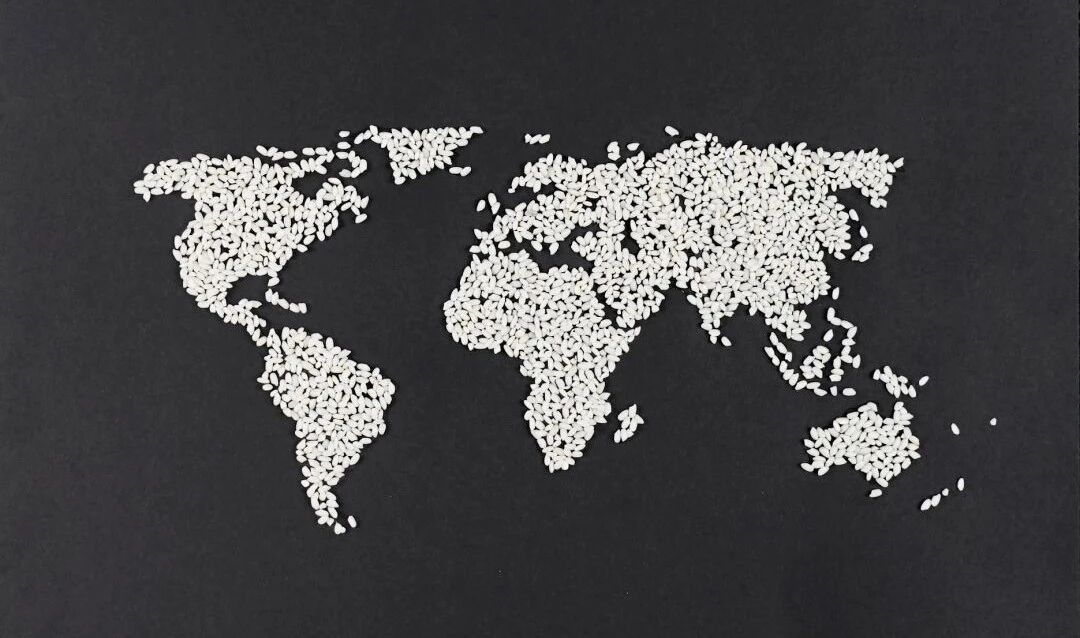
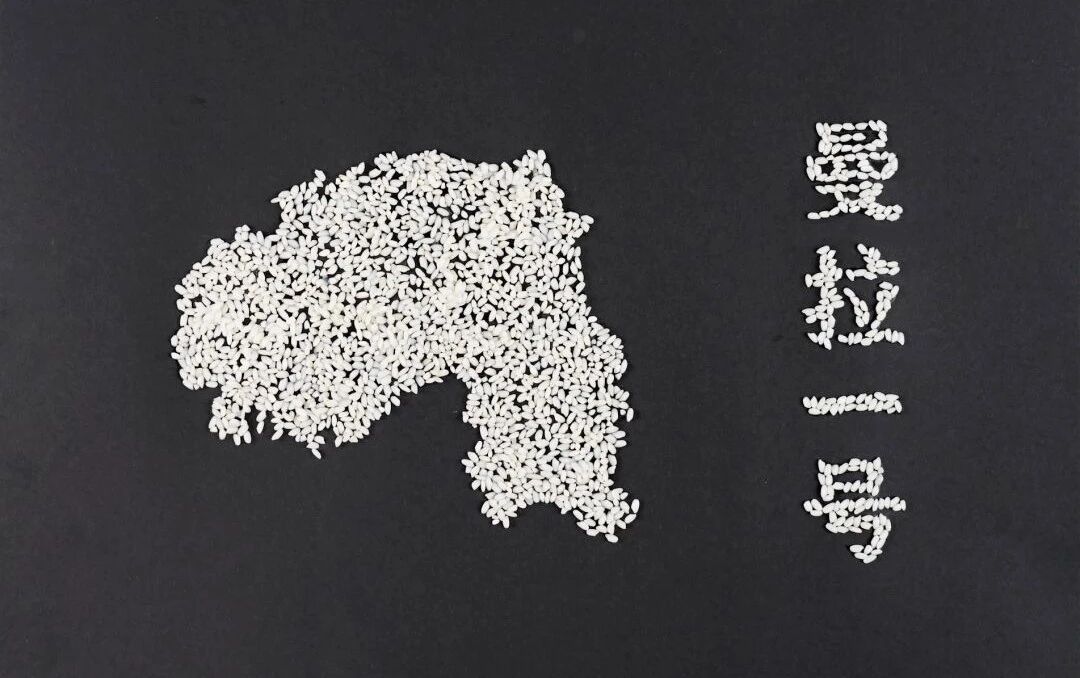
Currently, BGI’s Perennial Rice has undergone successful planting trials in multiple domestic provinces including Guangdong, Guangxi, Jiangxi, and Yunnan, as well as in countries such as Laos, Uganda, and Uruguay. Among them, "Manla No. 1," a rice product derived from Yunnan-grown Perennial Rice, was launched on the market for the first time this year. In the future, it will be further promoted overseas, providing a better variety option for global rice cultivation and production.
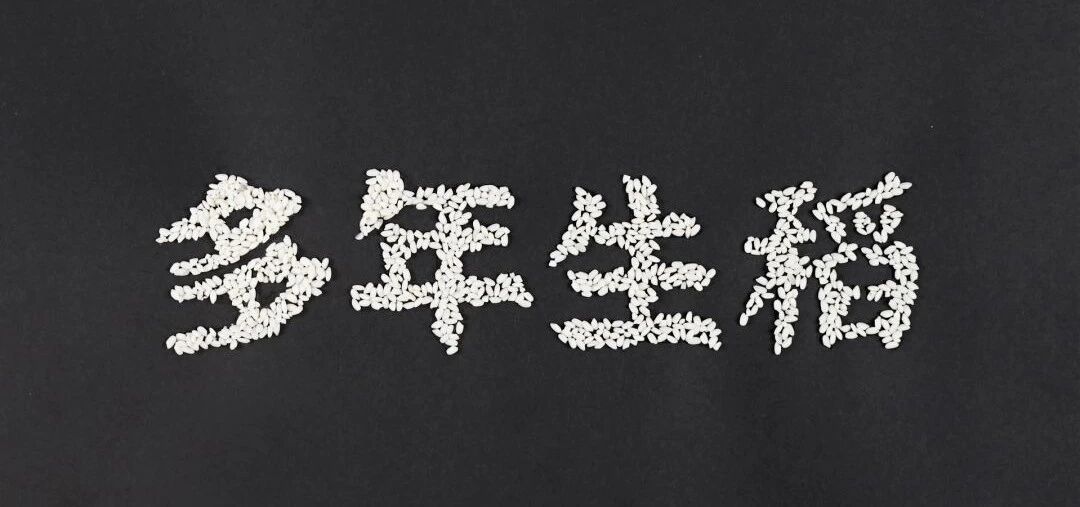
Perennial rice is characterized by deep roots and luxuriant foliage, which endows it with strong nutrient absorption and energy conversion capabilities. It takes 160 days from sowing to maturity, accumulating abundant nutrients. As a result, perennial rice has achieved improvements both in yield and taste, boasting a soft, glutinous texture and rich fragrance.
Perennial rice enables no-tillage rice cultivation. In terraced areas of southern China, it can provide year-round ground cover, reducing water input required for plowing and harrowing. This not only mitigates soil erosion and increases carbon sequestration, but also contributes to ecological conservation and green carbon reduction.
Once planted in the first year, perennial rice does not need to be replanted in subsequent years or seasons. According to estimates, it can save 400–600 yuan per mu per season in rice planting costs, cutting labor input significantly and lowering both labor and production expenses. Consequently, farmers can increase their income by 400–600 yuan per mu per season, effectively boosting their earnings and helping them achieve prosperity.
Food is the material foundation for human survival, and cherishing food is our bounden duty. Behind every grain lies the sweat and hard work of farmers. Moving forward, BGI will join forces with its flagship rice products—Manla No. 1 (polished rice from perennial rice), Hongmi (red rice) from Yuanyang Hani Terraced Fields, and Kenchuan Fragrant Rice from Northeast China—to take concrete actions in supporting national grain production and food security, ensuring that the Chinese people hold their rice bowls firmly in their own hands.
Produced by BGI Bioverse, three Premium Rice Products Make Their Debut Together in Response to World Food Day.
"Manla No.1" Perennial Rice
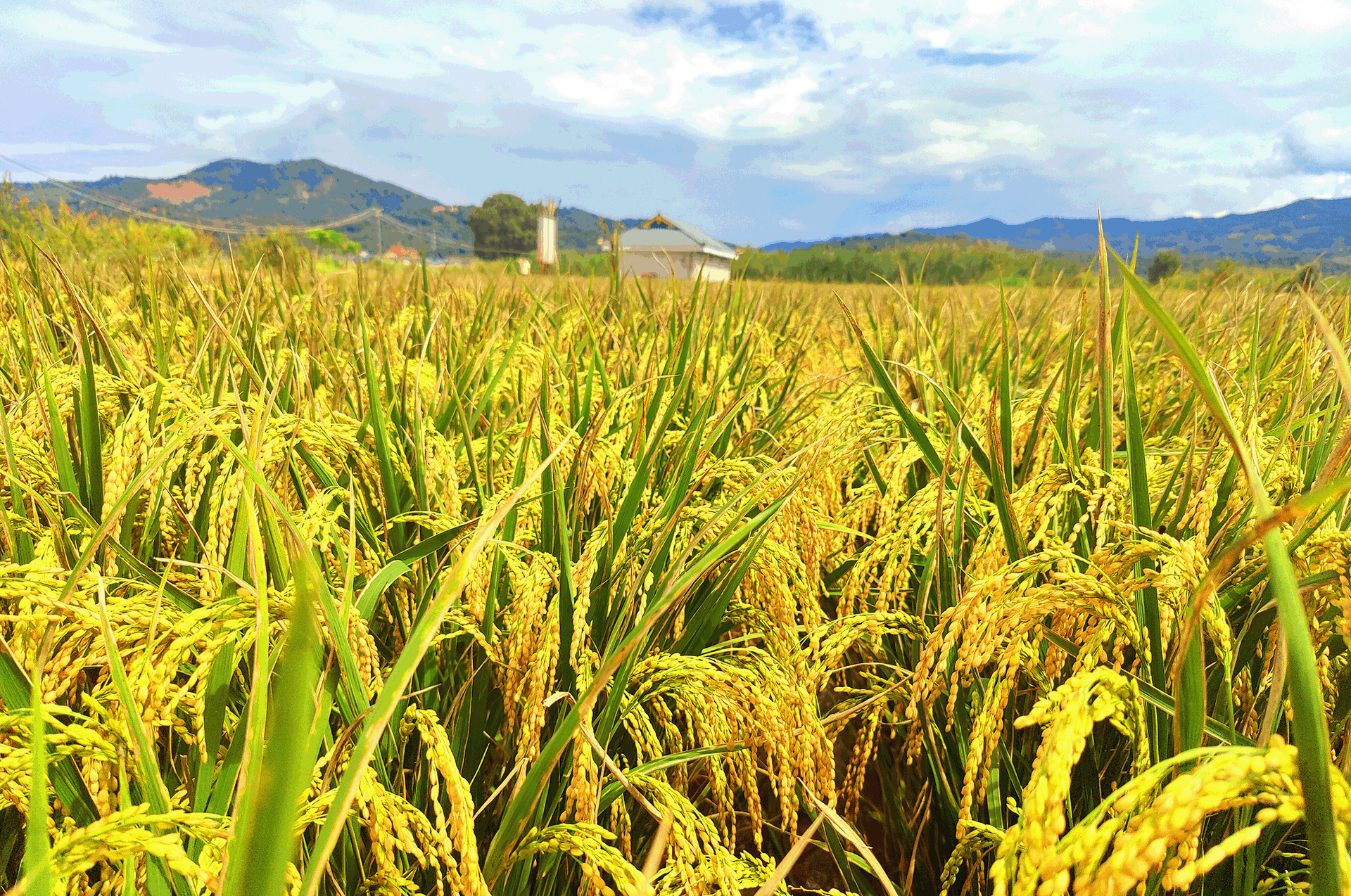
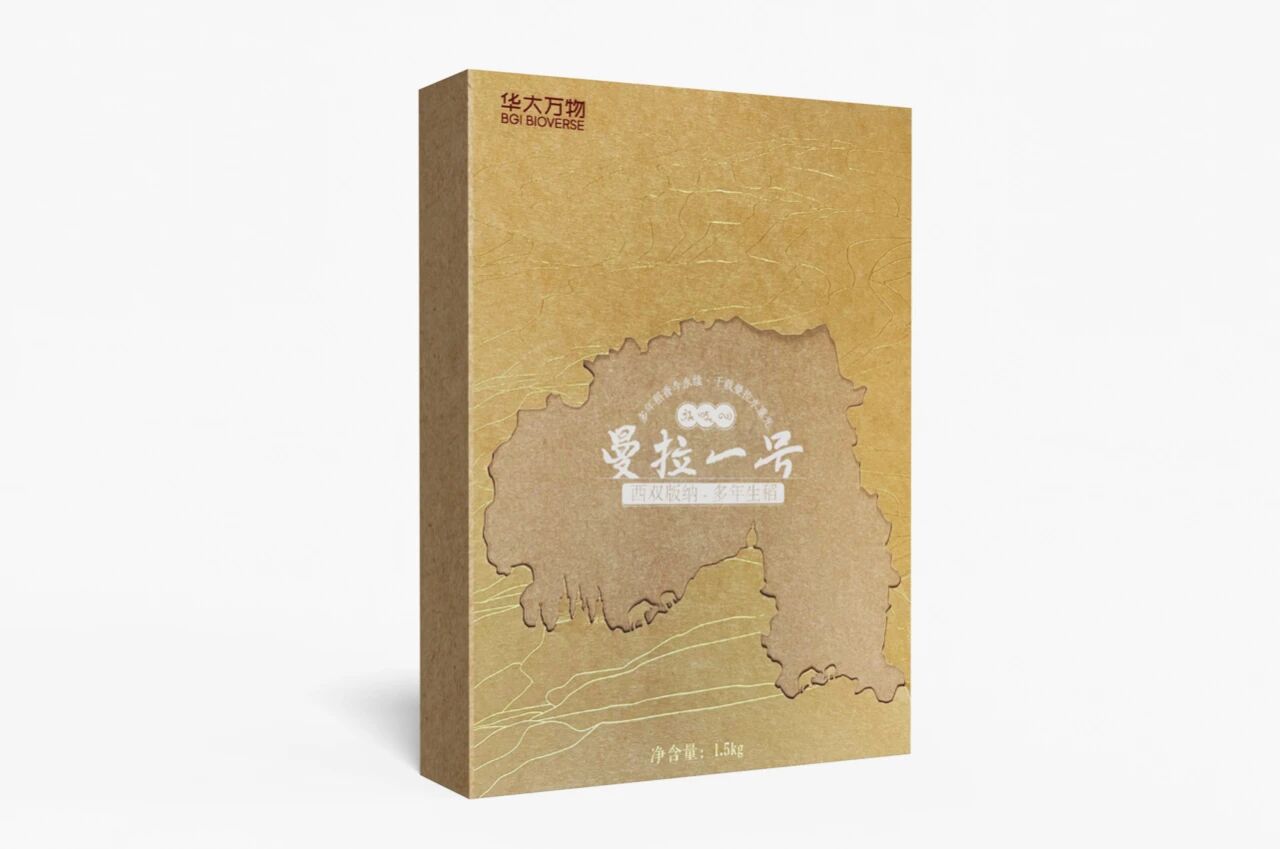
The Liusha River, one of the headwaters of the Lancang River, flows through Manla Village in Menghai County, Xishuangbanna. Blessed with fertile soil and clear water, this land has nurtured and carried forward the Dai ethnic group’s rice-farming civilization. Perennial rice is precisely grown on this land that embodies the essence of heaven and earth—thus, Manla has forged an enduring bond with perennial rice.
In the fertile, unpolluted farmlands of Manla, Xishuangbanna, the rice undergoes a 160-day growth cycle, absorbing nutrients from the soil and solar energy for conversion, accumulating abundant nutritional content that converges in Manla No.1. A single taste of its rich, aromatic flavor allows you to savor the essence of nature it has absorbed.
Hongmi (Red Rice) from Yuanyang Hani Terraced Fields
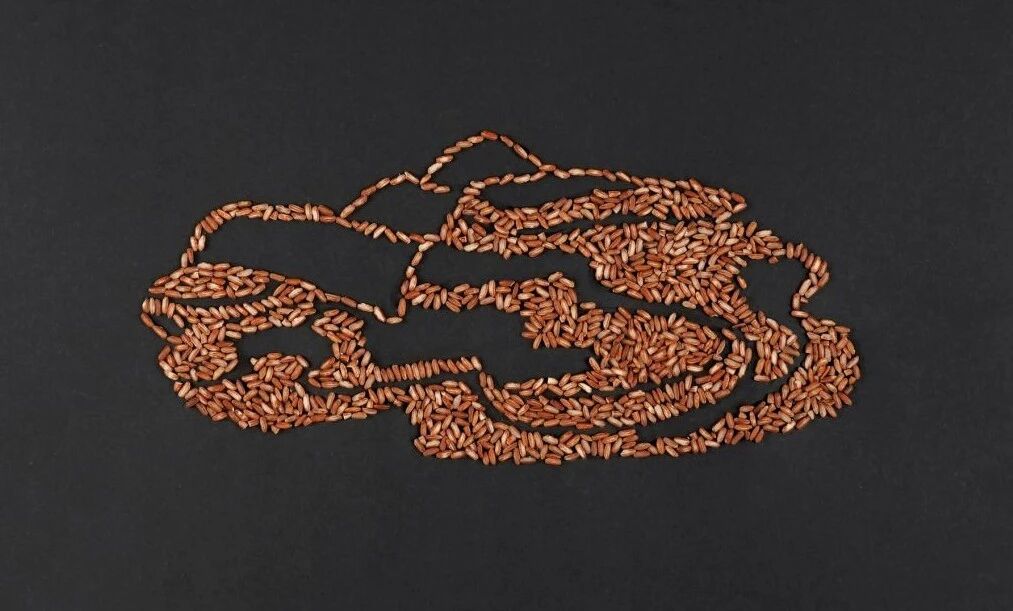
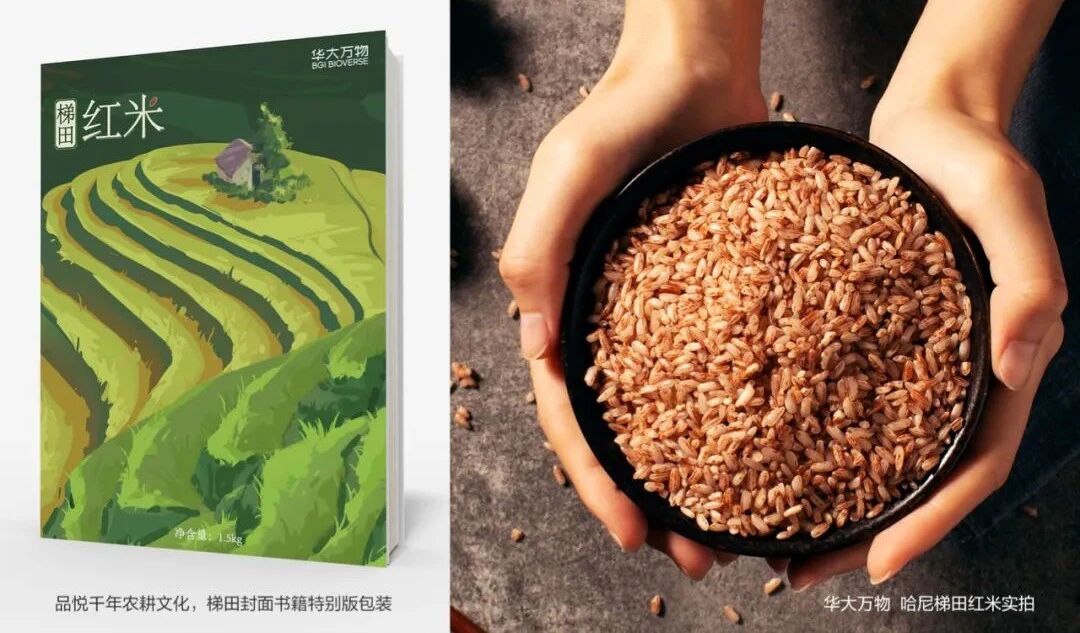
Yuanyang, literally meaning "the first place to see the sunrise", has an elevation ranging from a minimum of 144 meters to a maximum of 2,939.6 meters. The Hani people have lived here for generations; since the Sui and Tang dynasties, they have reclaimed terraced fields to grow red rice, a practice that has endured for over 1,300 years.
Red rice can only be cultivated at an altitude between 1,400 and 1,800 meters. No industrial fertilizers are allowed during its growth in the terraced fields—in fact, the application of chemical fertilizers and pesticides would trigger diseases such as rice blast. Only the core area of the Hani Terraced Fields can meet the stringent requirements of red rice for geography, climate, and water sources. Through primitive farming methods, the hardworking Hani people apply farmyard manure, till the land and remove weeds manually, and irrigate with mountain spring water, ultimately harvesting pure, natural, green and healthy organic red rice.
Though the yield of red rice is only half that of regular rice, its nutritional value is more than twice as high. Red rice is rich in trace elements such as calcium, iron, zinc, selenium, copper, and magnesium—two to three times the amount found in ordinary rice. With its ruddy grain color and slender shape, cooked red rice is fluffy and delicious, with a delicate, lingering sweetness. Unlike regular rice, it does not harden when cooled, making it a premium variety among rice products.
BGI Bioverse & Beidahuang Kenchuan Fragrant Rice
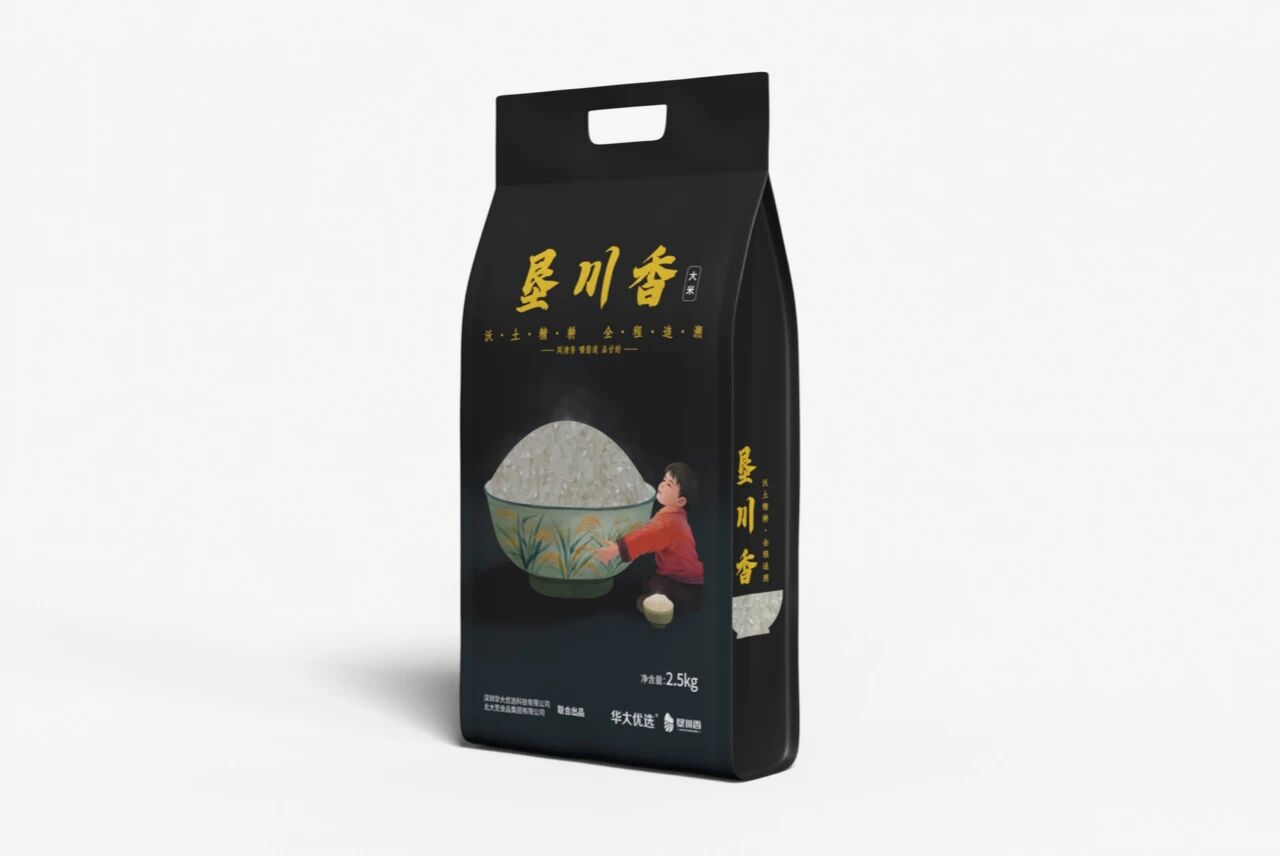
The character "Ken" (reclaim) is composed of "Gen" (meaning mountain) and "Tu" (meaning soil). "Chuan" stands for river, while "Xiang" (fragrant) consists of "He" (rice) and "Ri" (sun).
Kenchuan Fragrant Rice is grown on the black soil of Northeast China, in the Sanjiang Plain at the foot of the Wanda Mountains and the southern foot of the Lesser Khingan Range. Nourished by the waters of the three rivers that flow day and night, and bathed in the rising sun’s rays, this rice inherits the genetic traits of two premium varieties—Wuchang rice and Koshihikari rice. It boasts a delicate fragrance, slender grains, a chewy texture and a smooth taste.
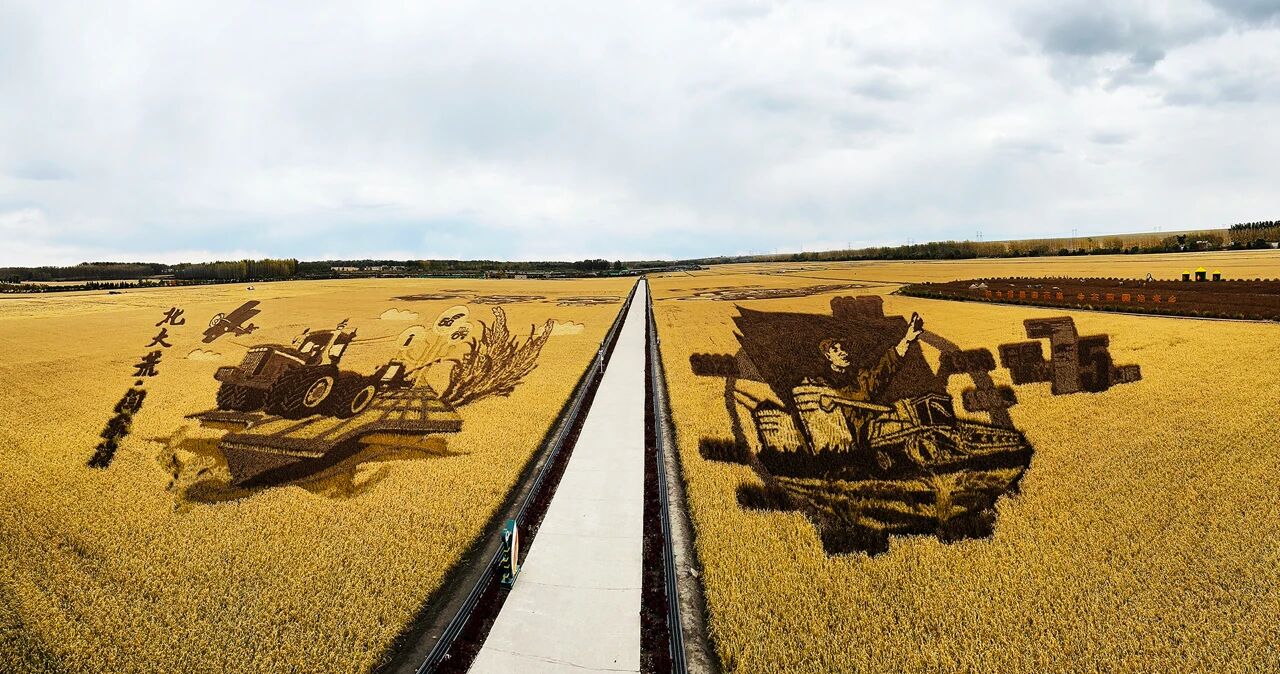
Leveraging the 667-hectare prime farmland of the Beidahuang base, we implement grid-based traceability, three-specific planting management practices, and three-modular cultivation techniques, with standardized operations across 46 planting procedures. Co-launched with BGI Wànwù, the co-branded package of the 2022 seasonal new rice will be hitting the market soon—stay tuned!
Rice Paddy Art at BGI Bioverse Agricultural Experimental Base
The rice paddy art at BGI Bioverse Agricultural Experimental Base, located in Dapeng, Shenzhen, has entered its viewing period, drawing a steady stream of visitors passionate about life sciences and farming culture every day.
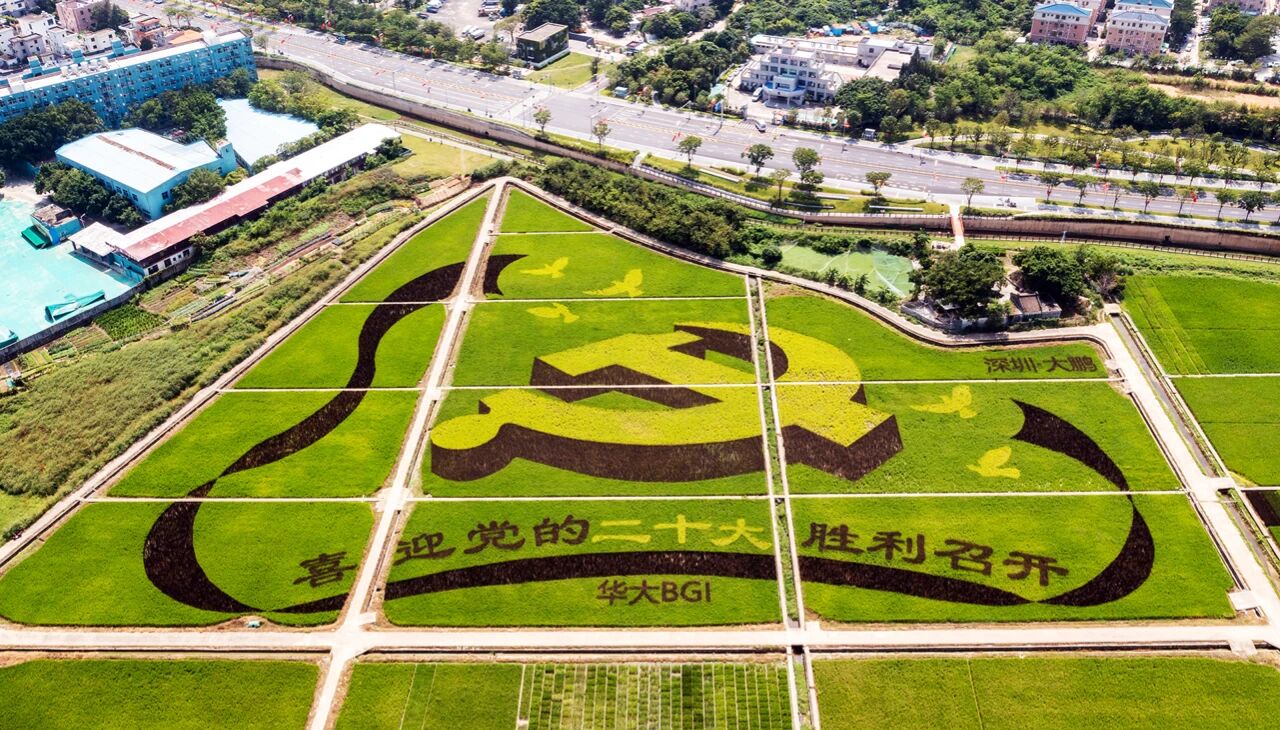
*All the image designs in this article are hand - crafted collages using real grains. All the grains are sourced from the years of independent breeding achievements of BGI Bioverse, including: Perennial Rice (Manla No.1), BGI Millet, Highland Quinoa, Hongmi (Red Rice) from Yuanyang Terraced Fields, etc.
BGI Bioverse is a wholly-owned subsidiary of BGI Group. Guided by the tenet of "Genomic Engineering for All Life Innovations", it is committed to the integrated development of the "sky, earth and life" sectors, focusing on the growth and advancement of animals, plants, microorganisms and other life forms.
Taking full advantage of BGI’s technical platform for genomic storage, sequencing and synthesis, BGI Bioverse integrates modern biotechnologies including genome-wide designed breeding, gene editing and synthetic biology. It independently conducts new species modification and new variety cultivation, developing super species that revolutionize traditional farming practices. In addition, the company actively integrates interdisciplinary technological achievements from astronomy, geography and biology, explores innovative approaches to desert soil improvement, effectively expands the scope of traditional cultivation, and provides a new paradigm for implementing the national carbon neutrality strategy. Its current representative products include perennial rice and multi-fruit eggplant tree, which have been promoted worldwide.