
China’s Only Entry: Science Announces the 2022 Top 10 Scientific Breakthroughs, with Perennial Rice Selected
Source:BGI Bioverse View count:820720
In the early hours of today, the internationally authoritative academic journal Science released its list of the Top 10 Scientific Breakthroughs of 2022. Among them, the development of a more easily cultivated perennial rice variety was selected as the only achievement led by a Chinese research team.
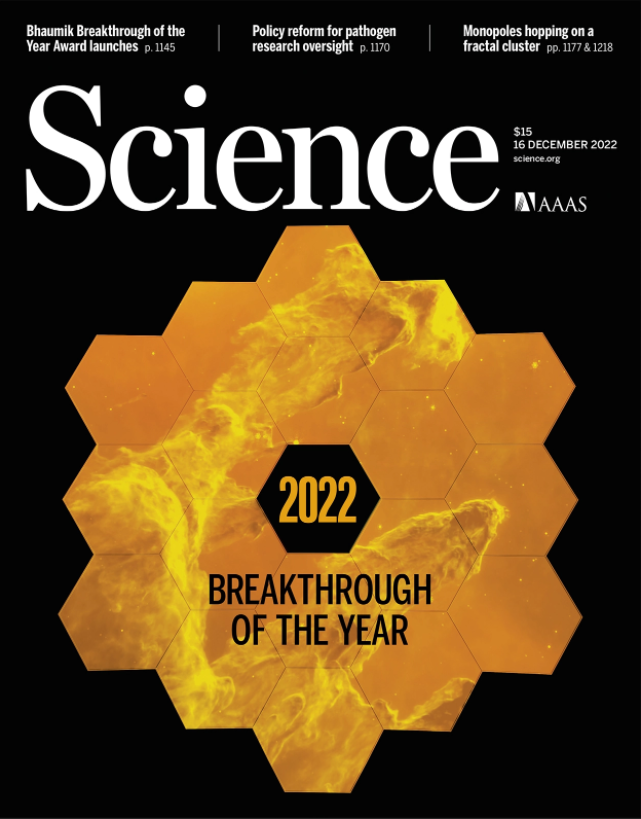
Science cover image, source: the official Science website
Every year, the editorial team of Science selects one Breakthrough of the Year champion and nine runners-up for its annual list of scientific breakthroughs. Together, they represent the most significant scientific discoveries, advances, and trends of the year.
Alongside perennial rice, the other breakthroughs selected this year include the discovery of a giant bacterium 5,000 times larger than many known bacteria; new insights into how the Black Death reshaped the genetics of Europeans; the reconstruction of ancient ecosystems using two-million-year-old environmental DNA; humanity’s first successful planetary defense experiment; and the identification of a virus that may cause multiple sclerosis. Meanwhile, the flight of the James Webb Space Telescope (JWST) was named Science’s Breakthrough of the Year for 2022.
In explaining why perennial rice was chosen, Science wrote: “The world’s major food crops—rice, wheat, and maize—must be replanted after every harvest. This is a labor-intensive burden for farmers and can lead to environmental problems such as soil erosion. The Chinese-developed ‘Perennial Rice 23’ (PR23) meets the standards of broad adaptability, high and stable yields, and strong perenniality, while saving farmers weeks of arduous labor.”

Screenshot from the Science website
Perennial rice is an innovative rice variety originally developed by the research team led by Professor Hu Fengyi at Yunnan University. It was bred through distant interspecific hybridization between perennial African wild rice and annual Asian cultivated rice. This variety enables “plant once, harvest multiple times,” significantly reducing planting costs and labor input.
Annual crops are typically grown in industrialized monoculture systems that require substantial inputs of labor, energy, pesticides, and fertilizers. Over time, intensive soil disturbance and high input levels can degrade basic ecosystems. In addition, annual crops usually provide only intermittent ground cover, which can lead to significant nutrient runoff after heavy rainfall. This not only reduces soil fertility but also contributes to eutrophication in downstream aquatic ecosystems.
Perennial rice helps address these challenges. With a single planting, it can be harvested continuously for three to five years. From the second year (or second season) onward, rice production no longer requires seed purchase, seedling raising, plowing, harrowing, or transplanting. Only field management and harvesting are needed, making it a simplified and labor-saving rice production technology. This approach overturns traditional agricultural production models and can greatly alleviate the tight farming schedules and labor shortages associated with the intensive “double-cropping” periods of early and late rice, easing both production and social pressures.
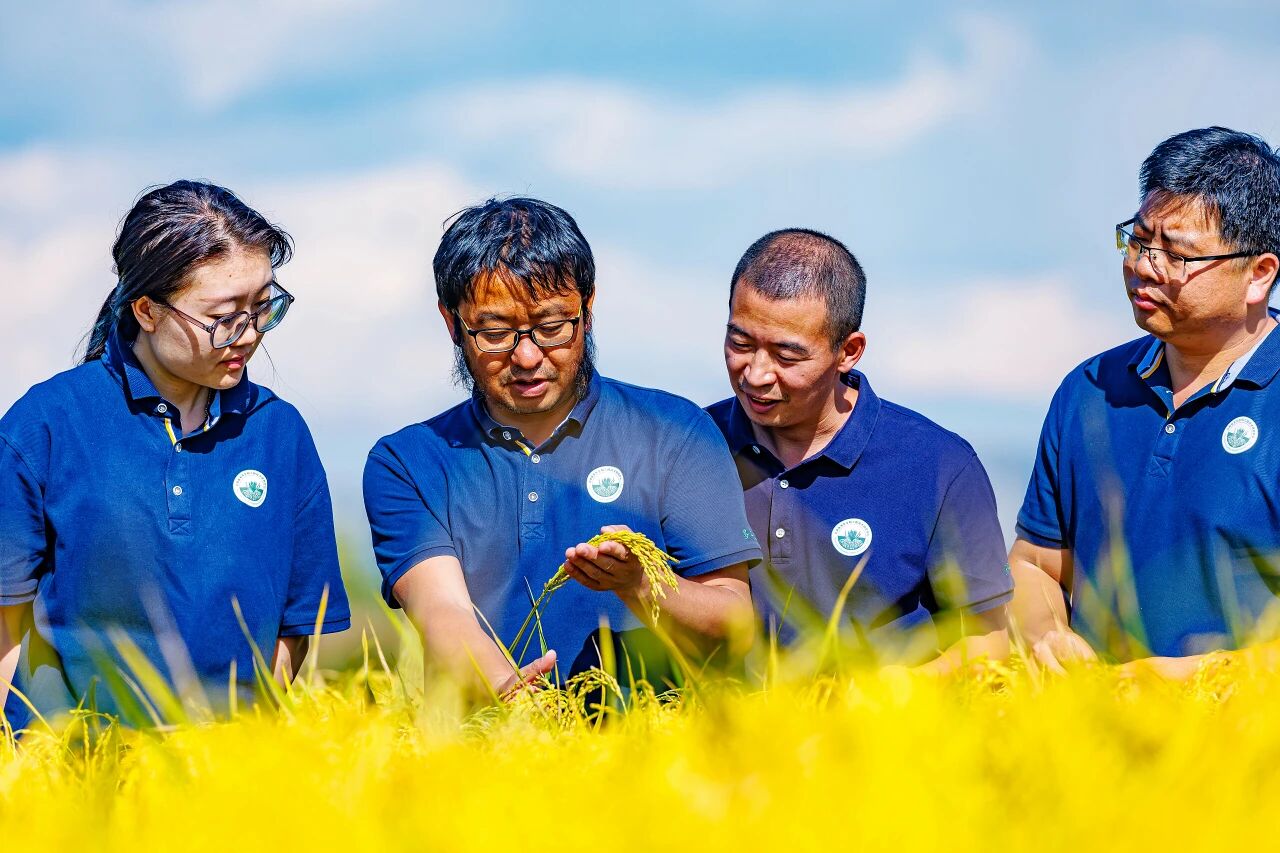
Professor Hufengyi Hu is second from the left
Compared with annual rice, perennial rice can reduce production costs by more than 50%.
Taking Yunnan as an example, starting from the second season, direct input costs can be reduced by approximately 500–600 RMB per mu per season. In addition, fields do not need to be plowed for consecutive years. The adoption of no-tillage practices further reduces labor, fertilizer, and pesticide inputs.
Moreover, due to the no-tillage production characteristics of perennial rice, each mu of land can sequester 20 kg of carbon dioxide per year, increase soil organic matter by 54 kg, and raise total soil nitrogen by 0.061 kg. Under China’s “dual-carbon” strategy, perennial rice, as a form of ecological agriculture, demonstrates a significant carbon-neutral effect and delivers substantial environmental benefits.
More importantly, perennial rice not only simplifies cultivation practices, but also achieves grain yields comparable to those of local conventional rice varieties, giving it broad prospects for large-scale adoption and application.
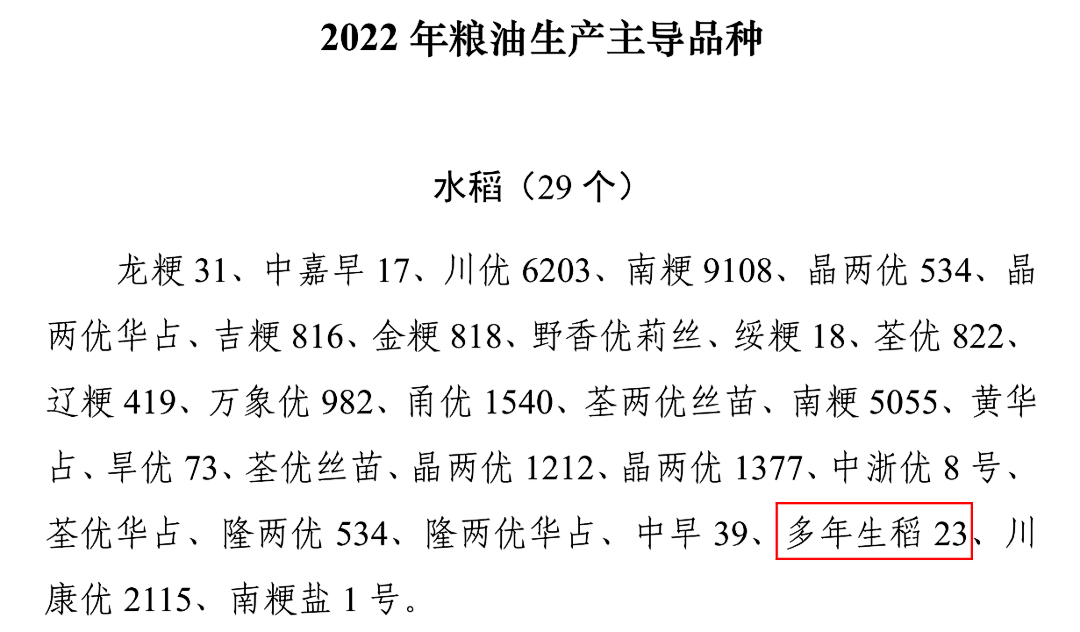
As the world’s only commercially viable perennial grain crop to date, perennial rice has previously been selected for the Food and Agriculture Organization of the United Nations (FAO) “International Agricultural Technology Innovation” list. In September this year, it was also highlighted as a key recommended rice variety in the 2022 Guiding Varieties and Core Technologies for Grain and Oilseed Production released by China’s Ministry of Agriculture and Rural Affairs (Document No. Nongban Ke〔2022〕22).
In addition, in November this year, the research paper Sustainable Productivity and Yield Potential of Perennial Rice was published in the international academic journal Nature Sustainability.
Since last year, Yunnan University and BGI Bioverse have been working closely together to support the promotion and industrial development of perennial rice technology.
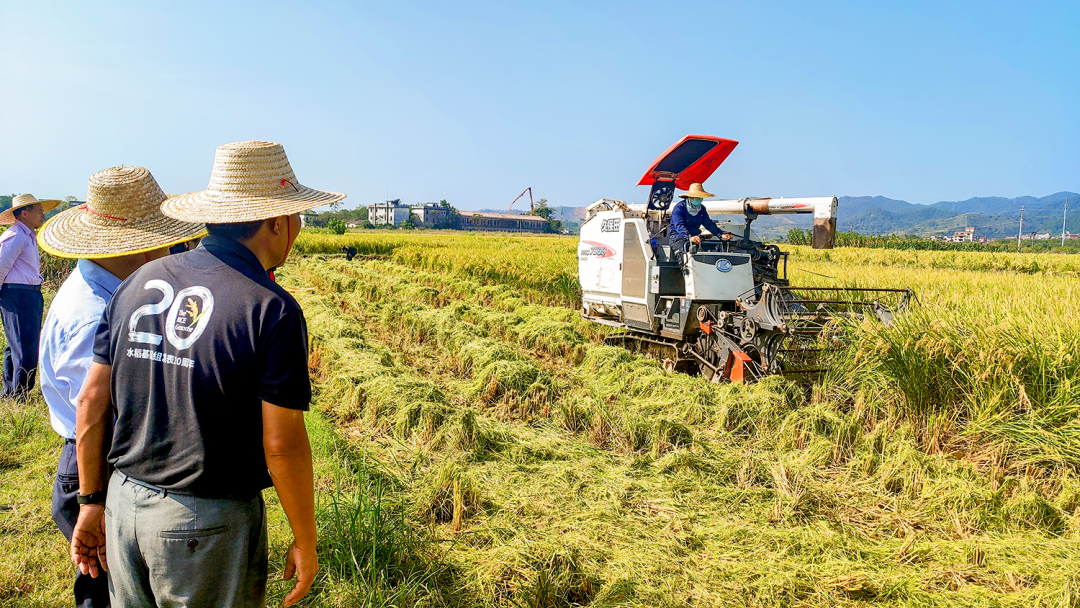
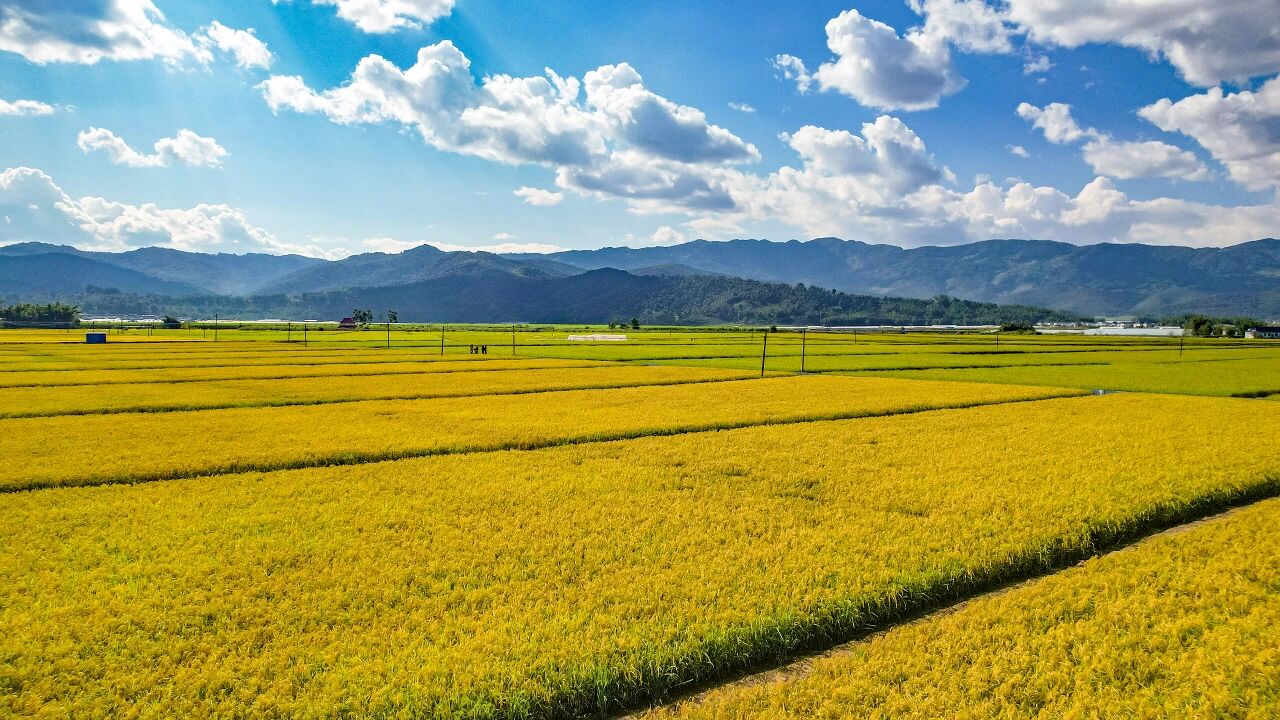
Perennial Rice Harvest at the Wuzhou Demonstration Base, Guangxi
In October this year, BGI Bioverse, in collaboration with Yunnan University, officially brought the perennial rice variety Yunda 26—marketed as “Manla No. 1”—to the market.
The first batch of “Manla No. 1” has already sold out. The second batch has been fully harvested and is currently undergoing expedited processing, with availability expected by the end of December. It will be available for purchase through the “BGI Employee Benefits Mall” website and the “BGI Bioverse” mini program.