
Perennial Rice Recognized Again: Selected as One of China’s Top Ten Scientific and Technological News Stories of 2022
Source:BGI Bioverse View count:829083
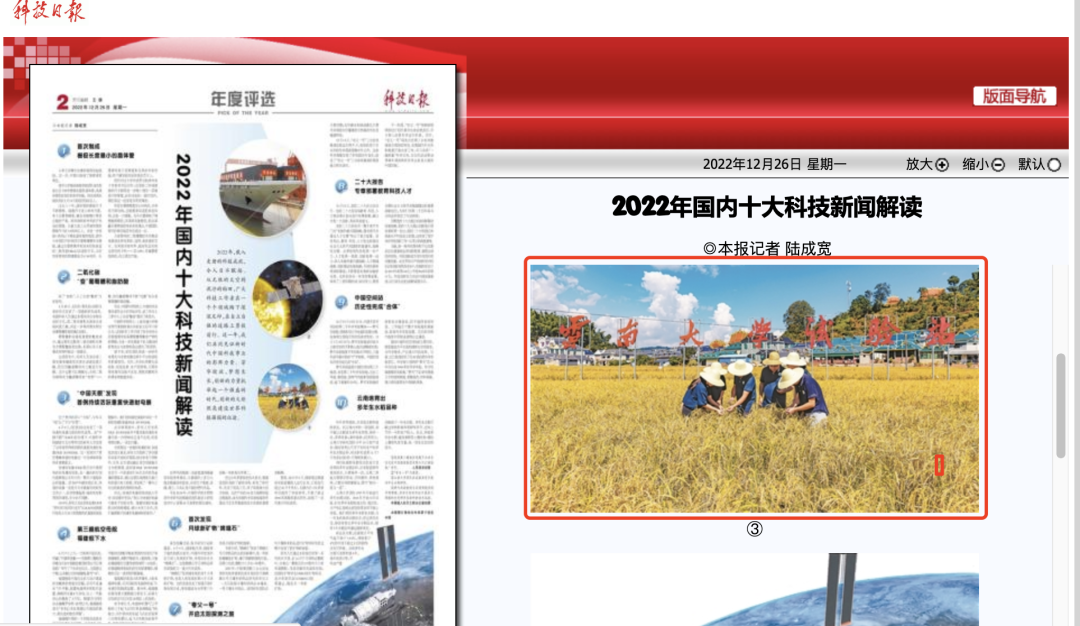
Screenshot from the official website of Science and Technology Daily
On December 25, the Science and Technology Daily announced China’s Top Ten Scientific and Technological News Stories of 2022, selected by the newspaper together with a group of academicians from the Chinese Academy of Sciences and the Chinese Academy of Engineering, as well as media professionals. Among the selected stories was “Yunnan Successfully Cultivates a Perennial Rice Variety.”
Traditionally, rice cultivation requires annual breeding and transplanting, which has long been the norm in rice farming. However, in order to innovate a sustainable agricultural ecosystem and address the challenge of balancing food security and ecological security under continuous population growth, a research team led by Professor Hu Fengyi of Yunnan University began experiments on perennial rice as early as 1997.
After more than 20 years of exploration, Professor Hu’s team used a perennial African wild rice species with underground rhizome biological characteristics as the male parent, and annual Asian cultivated rice as the female parent. Through distant interspecific hybridization combined with rhizome-related molecular marker–assisted selection techniques, they successfully transformed annual rice into perennial rice.
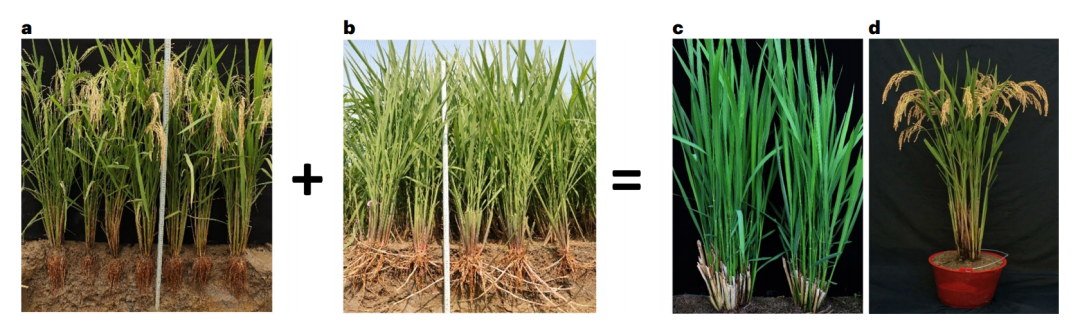
Image source: screenshot from an academic paper
To date, Professor Hu Fengyi’s team has independently developed multiple perennial rice lines. Among them, three rice varieties—Perennial Rice 23, Perennial Rice 25, and Yunda 107—have passed official variety approval in Yunnan Province.
Hong Kong media outlet South China Morning Post has also paid attention to perennial rice. In a previous report, it wrote: “Chinese farmers are flocking to plant a new variety of rice that offers numerous advantages over conventional rice.”
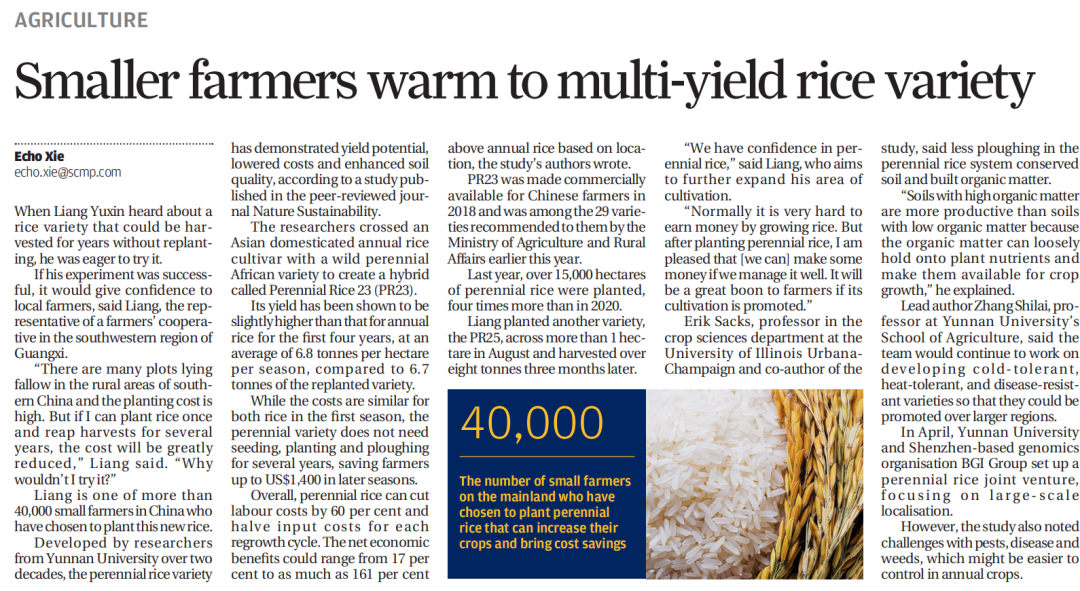
Report by the South China Morning Post on Perennial Rice
Perennial rice can be planted once and harvested continuously for three to four years without the need for repeated tillage. After each harvest, there is no need to plow the fields or transplant seedlings again, allowing farmers to achieve “one planting, multiple harvests,” much like cutting chives. Overall, this cultivation model can reduce production input costs by about half.
Moreover, within a perennial rice cultivation system, reducing frequent plowing helps protect soil health. Each year, per mu of land can sequester approximately 20 kilograms of carbon dioxide, increase soil organic matter by 54 kilograms, and raise total soil nitrogen by 0.061 kilograms, delivering significant ecological and environmental benefits.
More importantly, perennial rice not only simplifies farming practices, but also produces grain yields comparable to those of local conventional rice varieties. Its prospects for large-scale application have therefore gained strong recognition within the agricultural community.
On December 16, perennial rice was selected for the 2022 Top Ten Scientific Breakthroughs list by the internationally authoritative academic journal Science.
In explaining its selection, Science wrote: “The world’s major food crops—rice, wheat, and maize—must be replanted after each harvest. This represents heavy labor for farmers and can lead to environmental problems such as soil erosion. The ‘Perennial Rice 23’ (PR23) developed by Chinese researchers meets the standards of wide adaptability, high and stable yields, and strong perennial characteristics, while saving farmers several weeks of arduous labor.”
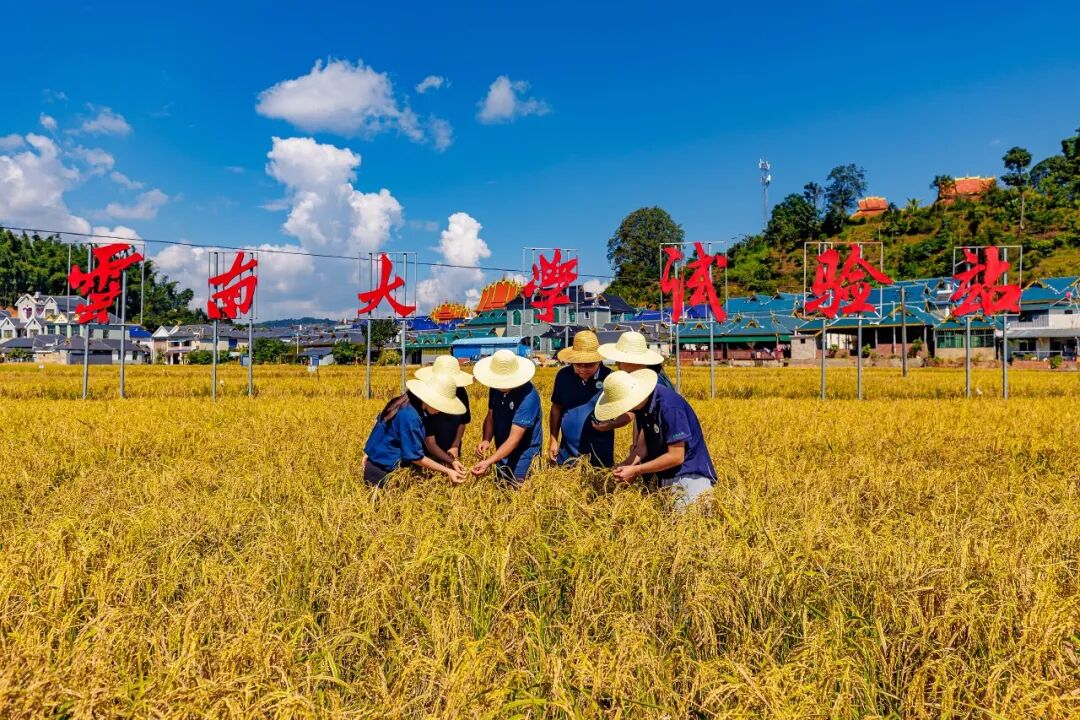
Since last year, Yunnan University and BGI Bioverse have worked closely together to promote the application and industrial development of perennial rice technology. To date, perennial rice has been trial-planted and promoted at 117 sites across China, with a total planting area of 2,543 mu, covering 13 major rice-producing provinces, including Yunnan, Hainan, Guangdong, Guangxi, Hubei, Hunan, and Jiangxi.
Recently, a research paper titled “Sustainable Productivity and Production Potential of Perennial Rice” published by Professor Hu Fengyi’s team in the international academic journal Nature Sustainability pointed out that perennial rice can be cultivated in rice-growing regions where the minimum monthly average temperature does not fall below 13.5°C and where temperatures below 4°C persist for no more than five consecutive days.
Zhang Shilai, the first author of the study and a professor at the College of Agriculture, Yunnan University, said in an interview with the South China Morning Post: “In the future, the research team will continue to focus on developing rice varieties with improved cold tolerance, heat tolerance, and disease resistance, so as to promote perennial rice across a wider range of regions.”
Looking ahead, BGI Bioverse will continue to leverage the platform and resource advantages of BGI Group and further deepen industry–academia–research–application collaboration with Yunnan University, jointly making positive contributions to the promotion and industrial development of perennial rice technology.