
Perennial Rice Named One of Science’s Top Ten Breakthroughs: What Was the 2022 “Breakthrough”?
Source:BGI Bioverse View count:92031
2022 marked the inaugural year of collaboration between BGI Bioverse and Yunnan University in advancing perennial rice.
Throughout the year, we jointly promoted global trial cultivation of perennial rice. Starting from a Dai village in Yunnan, perennial rice traveled eastward to Shenzhen and Shaoguan in Guangdong, as well as Guangxi, Fujian, Zhejiang, and more than ten other provinces, where it absorbed sunlight and grew vigorously. At the same time, perennial rice began to expand beyond China’s borders, with trial cultivation promoted in seven countries and regions along the Belt and Road, including South Asia, Southeast Asia, and Africa.
As William Burnside, Senior Editor of Nature Sustainability, commented: “Turning one of the world’s oldest and most important domesticated grains into a perennial paradigm is a major transformation.” This encapsulates the innovative value of perennial rice. In 2023, we will continue to explore future development pathways for perennial rice, advancing along the rural revitalization road of “storing grain in the land and storing grain in technology.”
At the beginning of the Year of the Rabbit in 2023, let us take stock of the Top 10 News Stories of Perennial Rice in 2022 and look back on this rapidly rising year.
All Things Sprout: The Establishment of BGI Cloud Valley
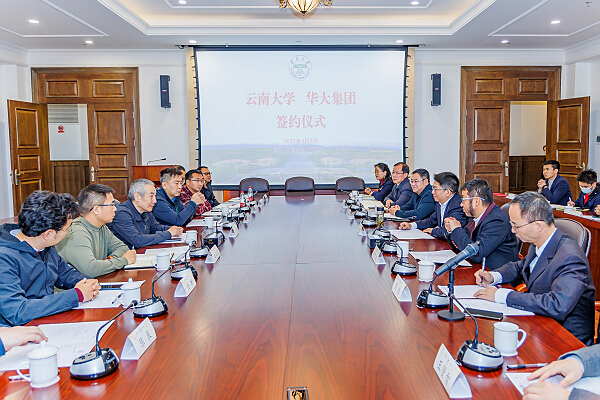
In April 2022, BGI Group and Yunnan University officially signed a strategic cooperation agreement and a joint venture agreement, and jointly established Shenzhen BGI Yungu Technology Co., Ltd.
This university–enterprise cooperation will give full play to the complementary strengths and resources of Yunnan University and BGI Group, further deepen integrated collaboration across industry, academia, research, and application, and jointly contribute to the promotion and industrial development of perennial rice technology.
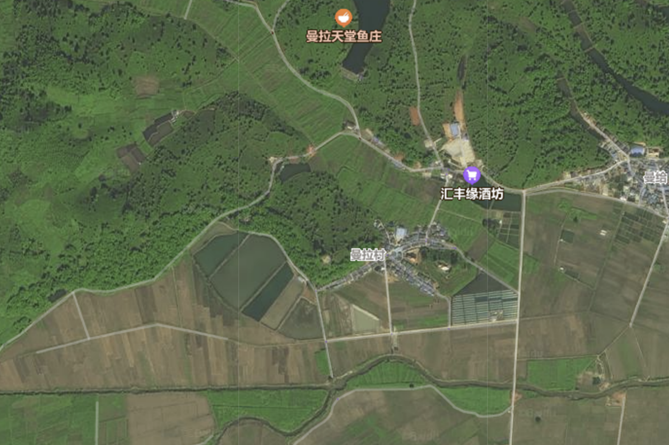
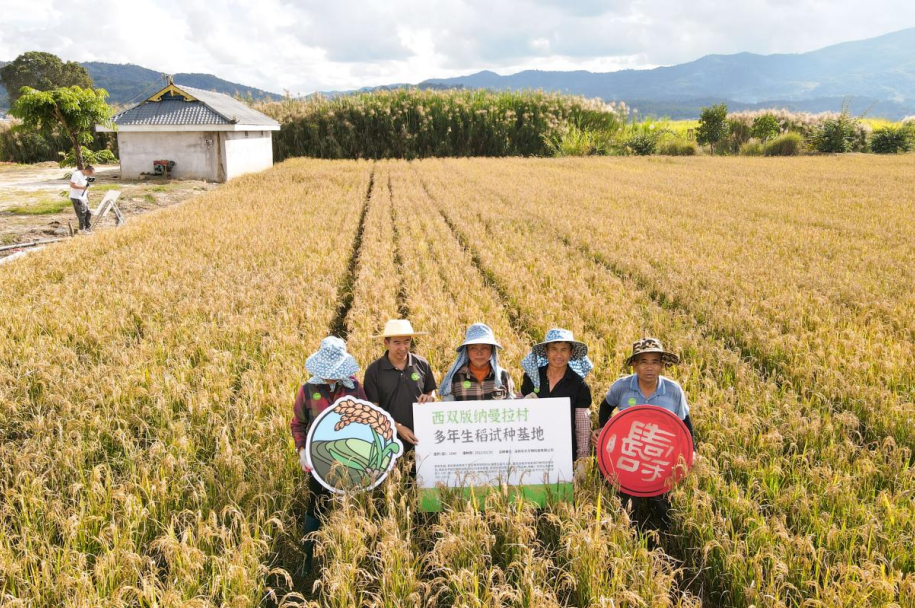
Construction of the Manla Perennial Rice 66.67 hectares Demonstration Base
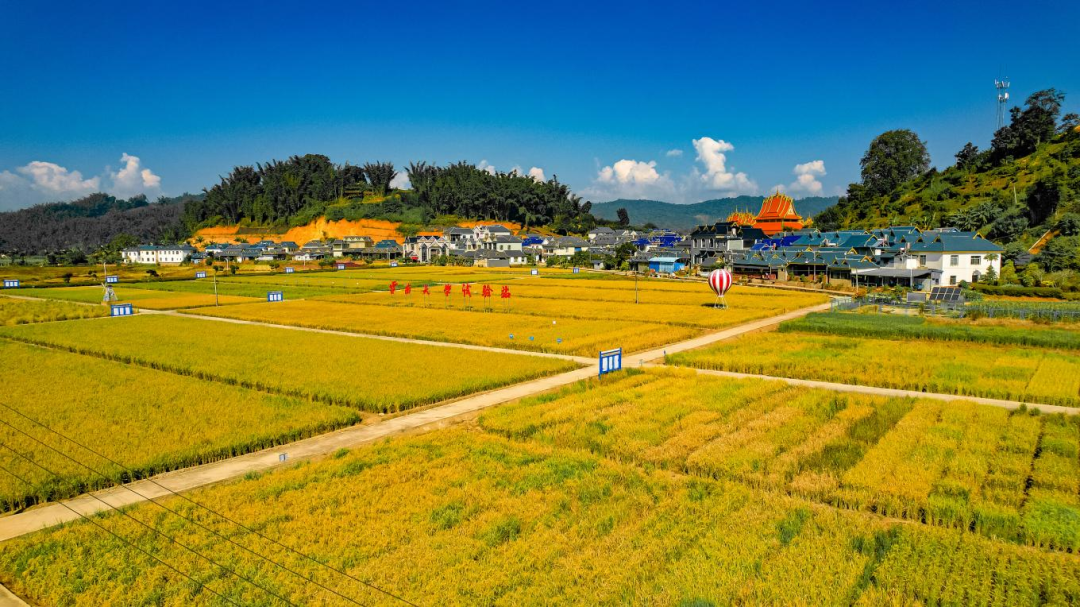
BGI Group and Yunnan University agreed to use perennial rice as the vehicle to develop the national rural revitalization “China · Manla” model.
March 2
Yin Ye, CEO of BGI Group, led a team to Manla to advance work related to perennial rice.
April 30
Wang Jian, Chairman of BGI Group, led senior management to inspect the Manla project and confirmed the land transfer area and fees.
July 14
BGI Cloud Valley and the Manla Village Cooperative signed a six-year lease for about 69.33 hectares of land, jointly building a thousand-mu perennial rice demonstration base.
July 20
The early-season harvest of perennial rice was completed on 2.27 hectares.
November 20
The late-season harvest of perennial rice was completed on 4 hectares.
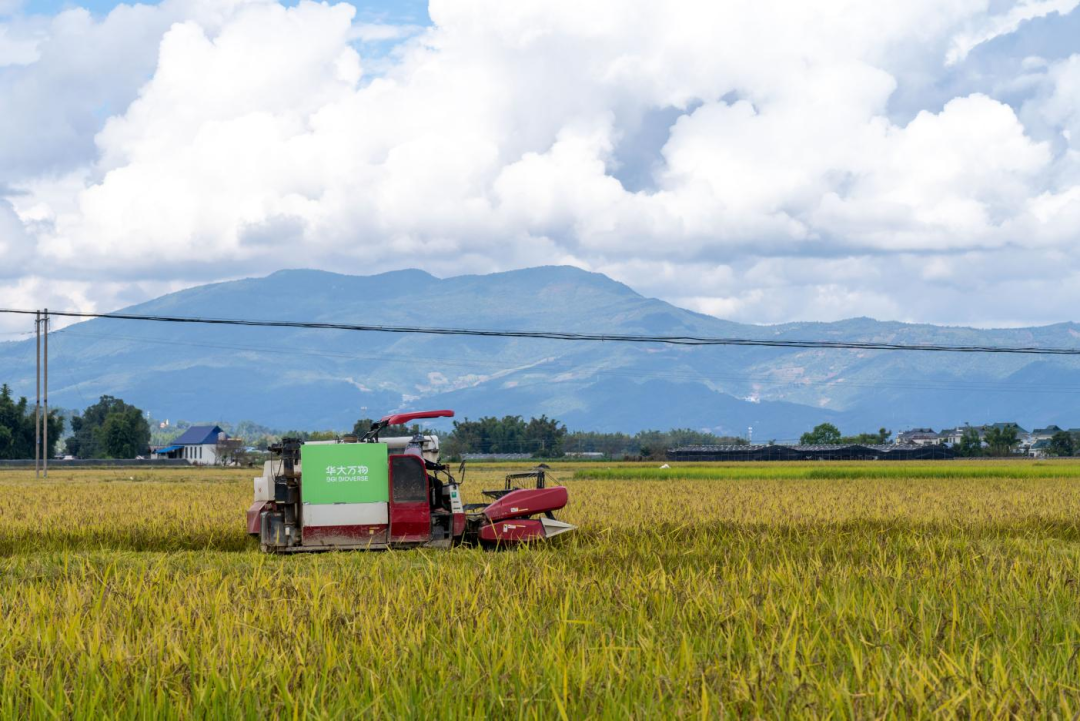
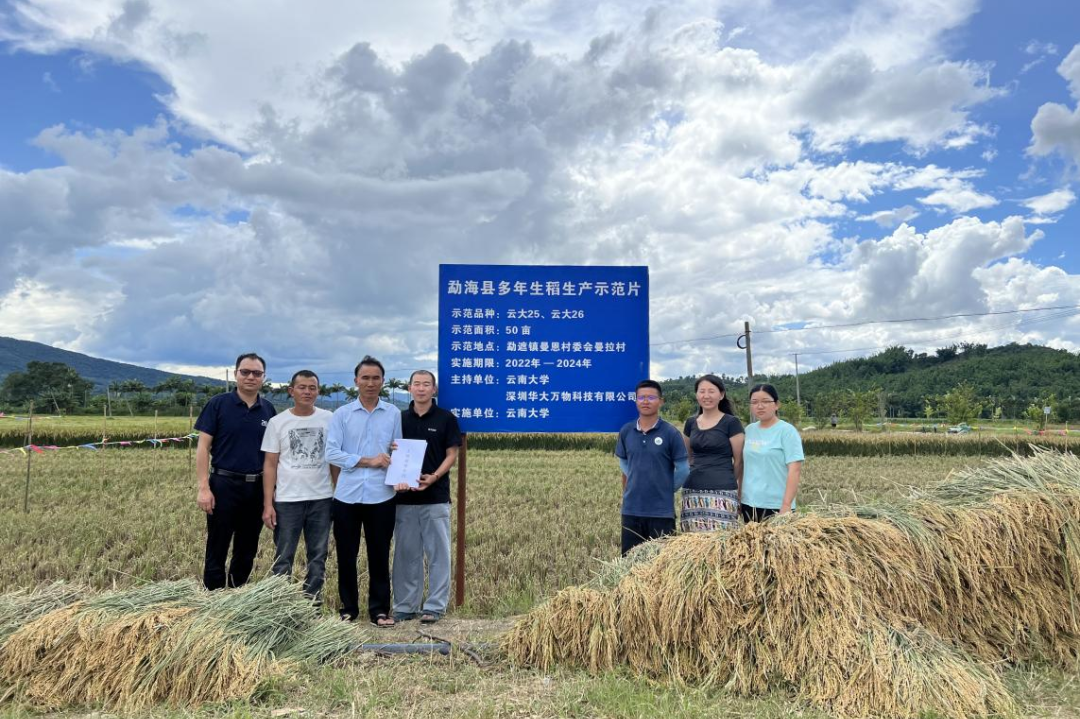
By the end of December, BGI Yungu had completed the transfer of more than 26.67 hectares of land in Manla Village. By the end of 2023, BGI Yungu will have completed the transfer of 69.68 hectares of land, which will be used for planting perennial rice.
Restoration of the Yuanyang Rice Terraces and Perennial Rice Terrace Cultivation
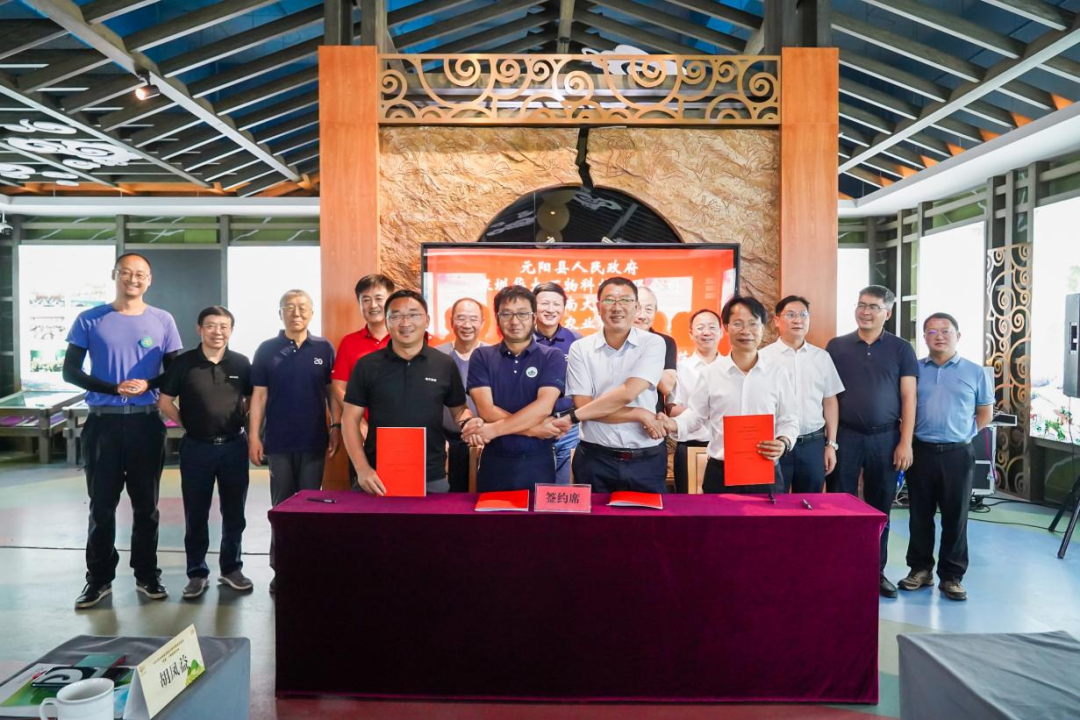
From April 28 to 29, 2022, BGI, together with the People’s Government of Yuanyang County, Yunnan Province, co-hosted the “20th Anniversary of the Rice Genome Publication and the ‘Dual Heritage’ Code of All Life” event.
At the symposium, BGI Bioverse signed a framework agreement, a cooperation agreement for the establishment of the World Terraced Rice Park, and a cooperation agreement for the Hani Terraced Rice Farming Research and Perennial Rice Demonstration Center with the People’s Government of Yuanyang County, Yunnan University, and the Honghe Prefecture Academy of Agricultural Sciences.
Perennial Rice Selected as a Recommended Variety by the Ministry of Agriculture and Rural Affairs
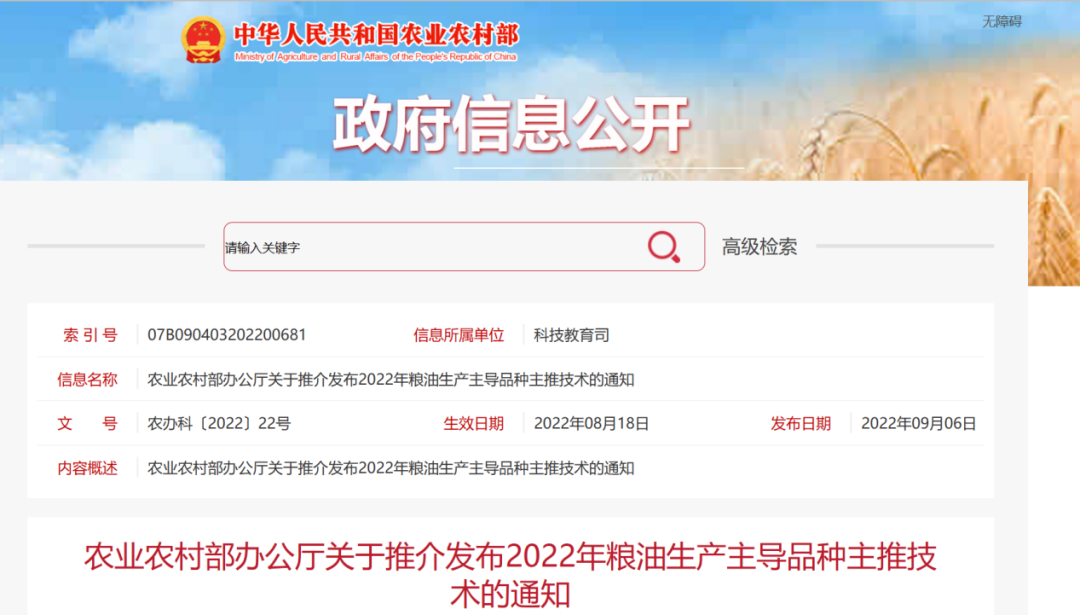
On September 6, 2022, the Ministry of Agriculture and Rural Affairs released the list of major recommended crop varieties and key technologies for grain and oil production in 2022 (Document No. 农办科〔2022〕22). A total of 29 rice varieties were selected as leading varieties. Among them, Perennial Rice 23, developed by the team led by Hu Fengyi at Yunnan University, was included in the list of leading rice varieties for grain and oil production.
The defining characteristic of perennial rice—its perennial growth habit—clearly distinguishes it from conventional cultivated rice, which is typically annual. This trait represents a disruptive and innovative breakthrough in rice breeding. The technology was previously selected as one of the FAO International Innovations in Agricultural Technology in 2018.
Perennial Rice Undergoes Trial Cultivation in Multiple Regions Across China
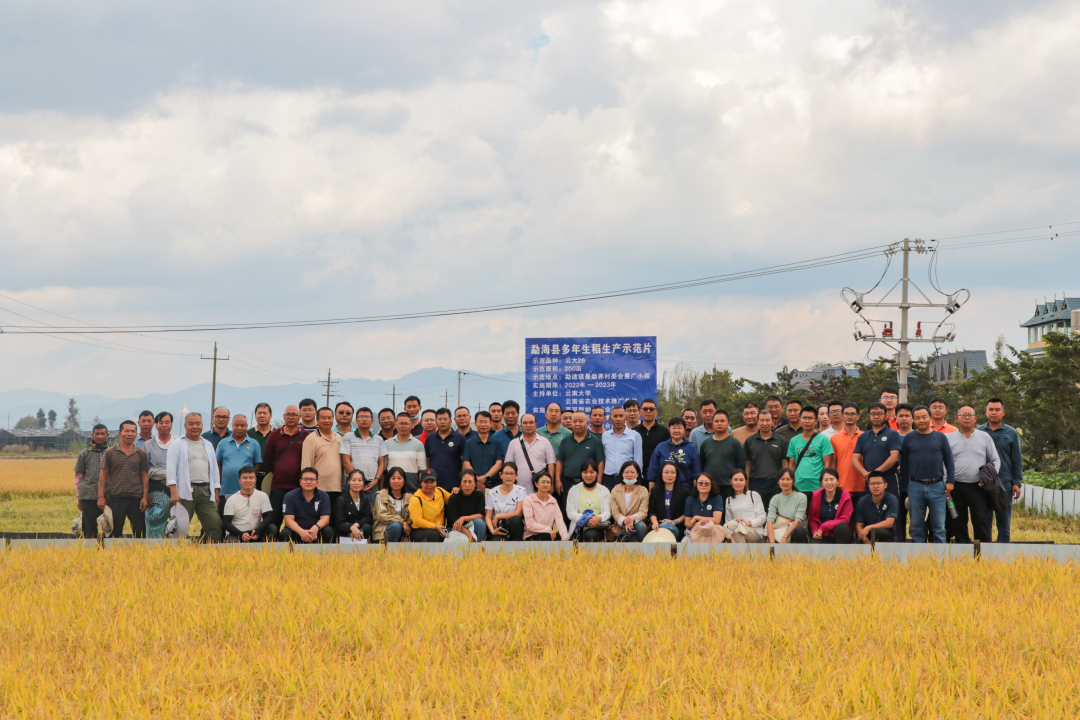
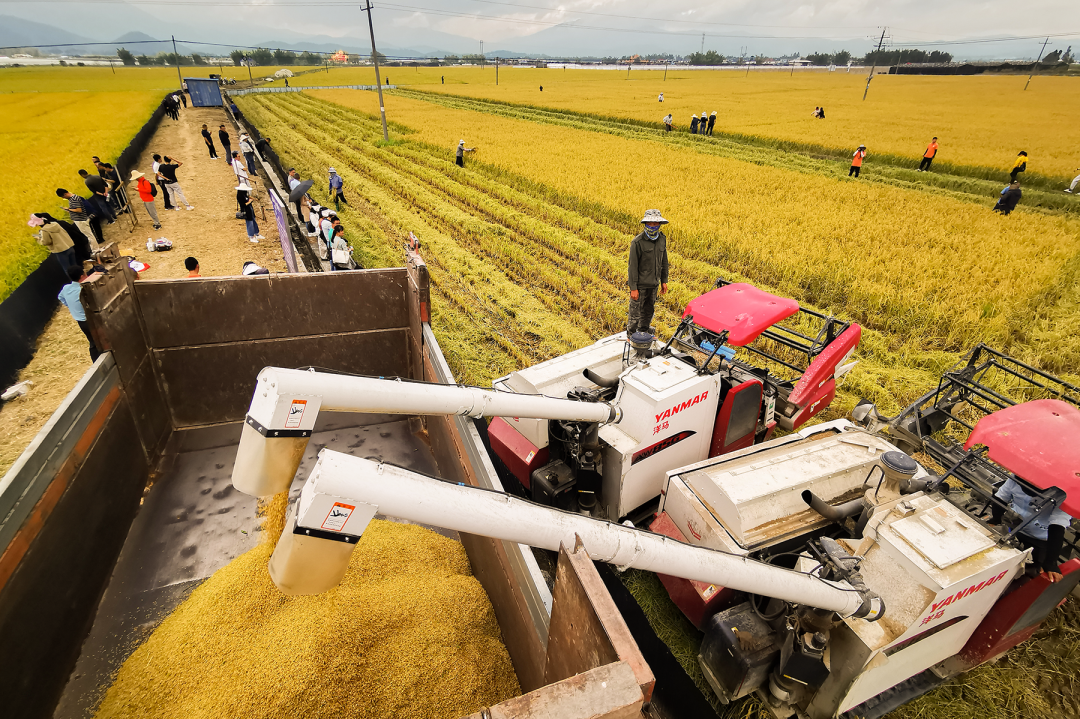
To date, perennial rice has been trialed and promoted at 117 locations across China.
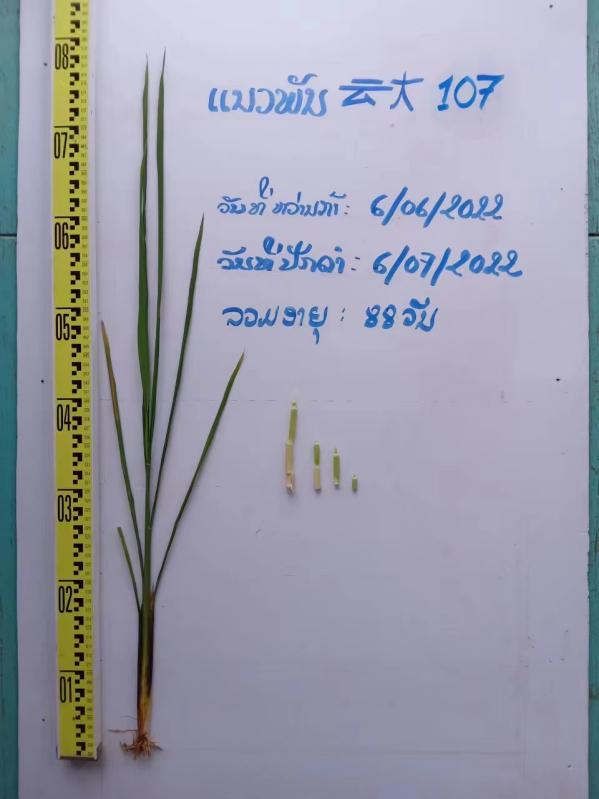
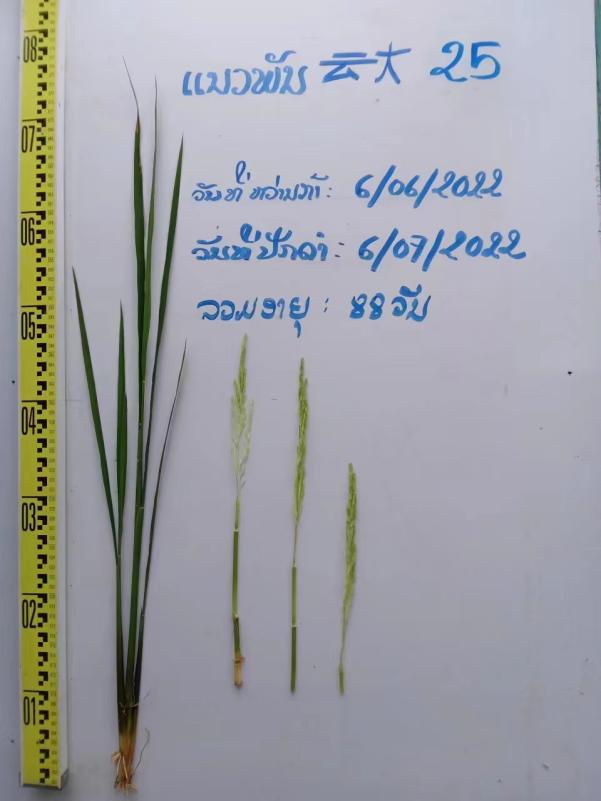
In 2022, under the leadership of BGI Yungur, the total domestic trial planting area of perennial rice reached 22.03 hectares. Early-season trials covered nine provinces—Yunnan, Guangdong, Fujian, Jiangxi, Hunan, Zhejiang, Sichuan, Hubei, and Jiangsu—spanning latitudes from 22.6°N to 31.78°N. Late-season trials covered four provinces—Yunnan, Guangdong, Guangxi, and Jiangxi—spanning latitudes from 22.6°N to 28.68°N, a range of 6.08 degrees.
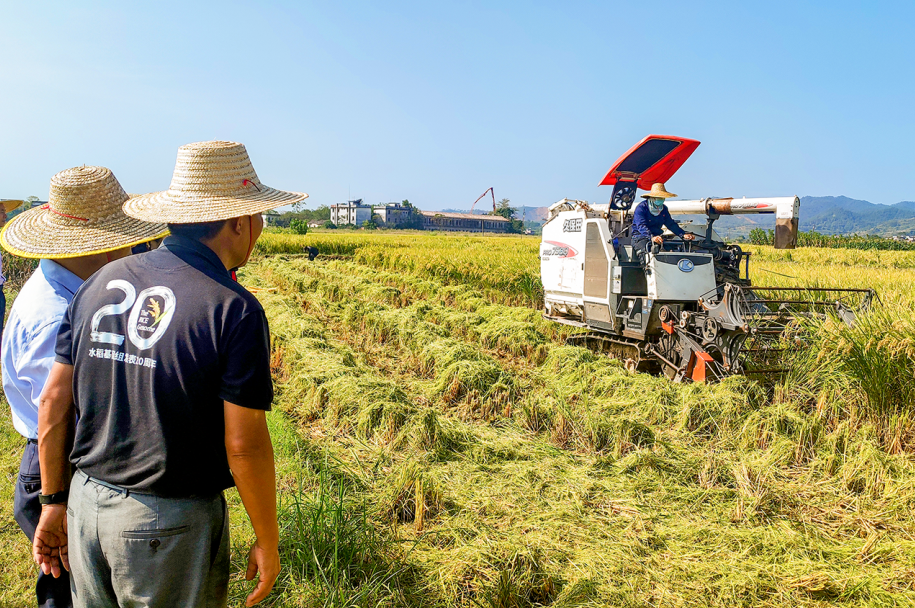
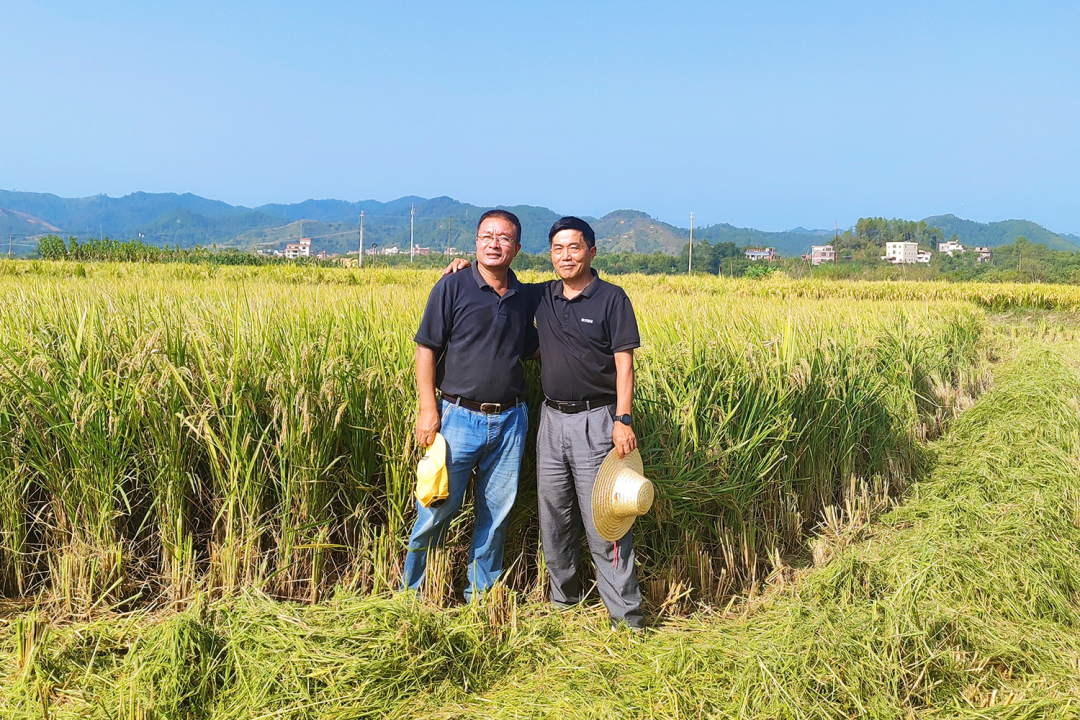
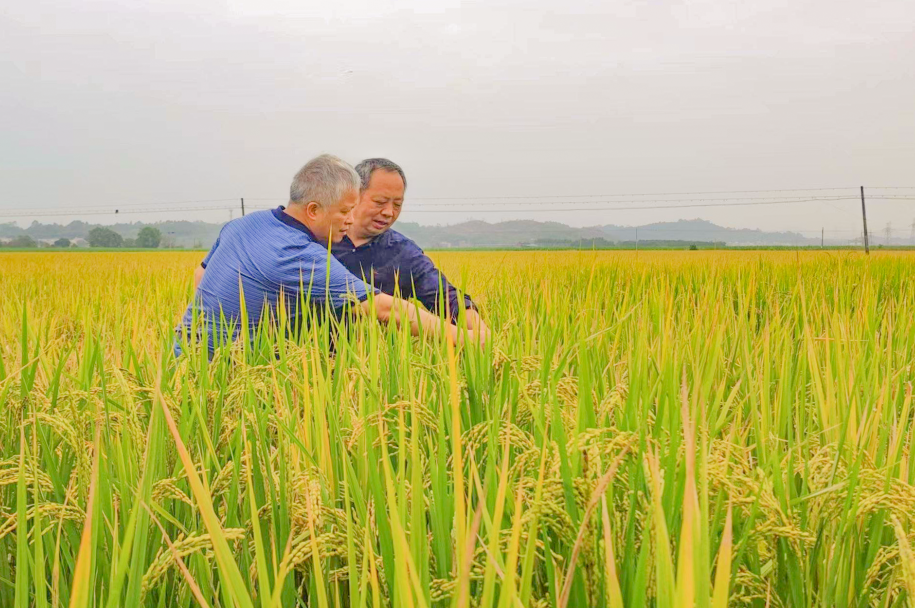
By late November, multiple perennial rice demonstration bases reported encouraging harvest results and invited local agricultural and rural affairs bureaus, statistics bureaus, and other relevant departments to visit the sites, observe cultivation performance, and conduct on-site yield assessments. Among them, the Wuzhou perennial rice site achieved the highest first-season yield, reaching 8,295 kilograms per hectare (8.295 t/ha).
Overseas Collaborative Cultivation of Perennial Rice
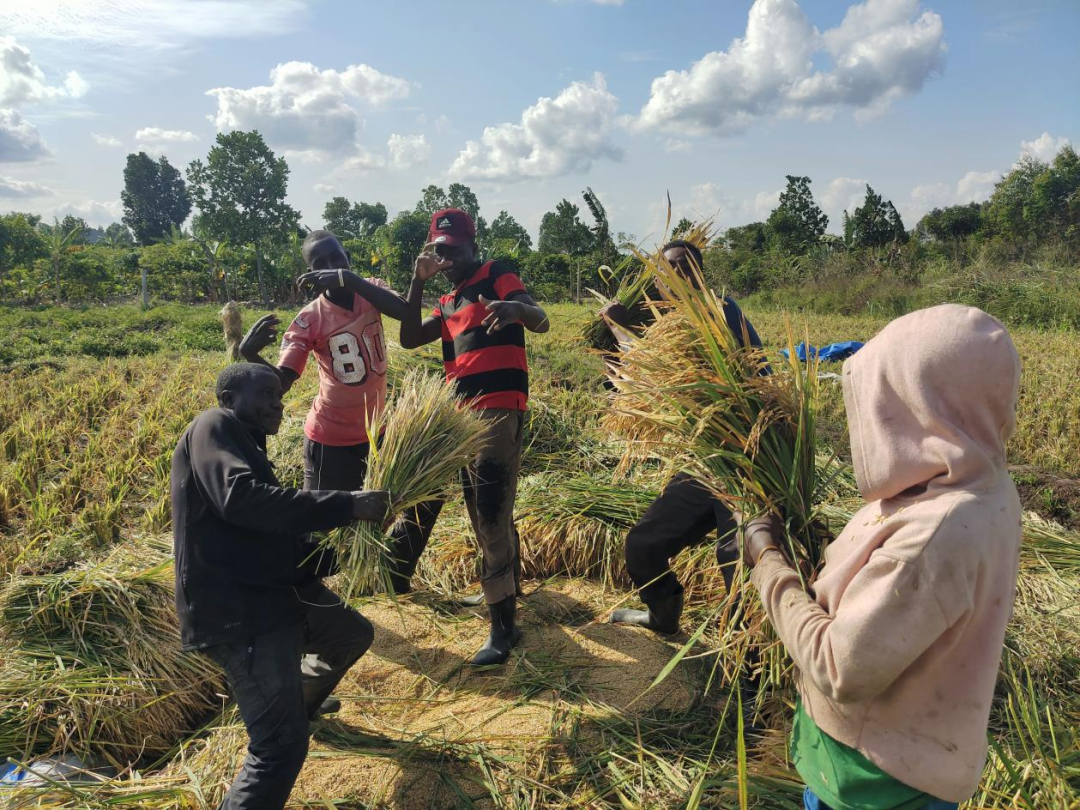
In 2022, BGI Bioverse partnered with research institutions in Africa, Southeast Asia, and other regions to carry out trial cultivation of perennial rice. These trials delivered encouraging yield results overseas.
Among them, BGI Bioverse has collaborated with the National Agricultural Research Organization and local partners in Uganda to conduct large-scale experimental cultivation along the research pathway of perennial rice, while simultaneously advancing its commercial promotion.
The Ugandan National Agricultural Research Organization has obtained the variety rights for perennial rice. In the experimental planting area in Lukaya, Uganda (S-0.13), perennial rice achieved a yield of 7,815 kilograms per hectare.
The trial cultivation of perennial rice in Thailand has also made very smooth progress. In late December, Thai Prime Minister Prayut Chan-o-cha met with Wang Jian, Chairman of BGI Group, and the two engaged in in-depth discussions on the large-scale cultivation of perennial rice in Thailand, expressing expectations for expanded cooperation in the future.

Thai Prime Minister Prayut Chan-o-cha (far right) meets with Wang Jian, Chairman of BGI Group (far left)
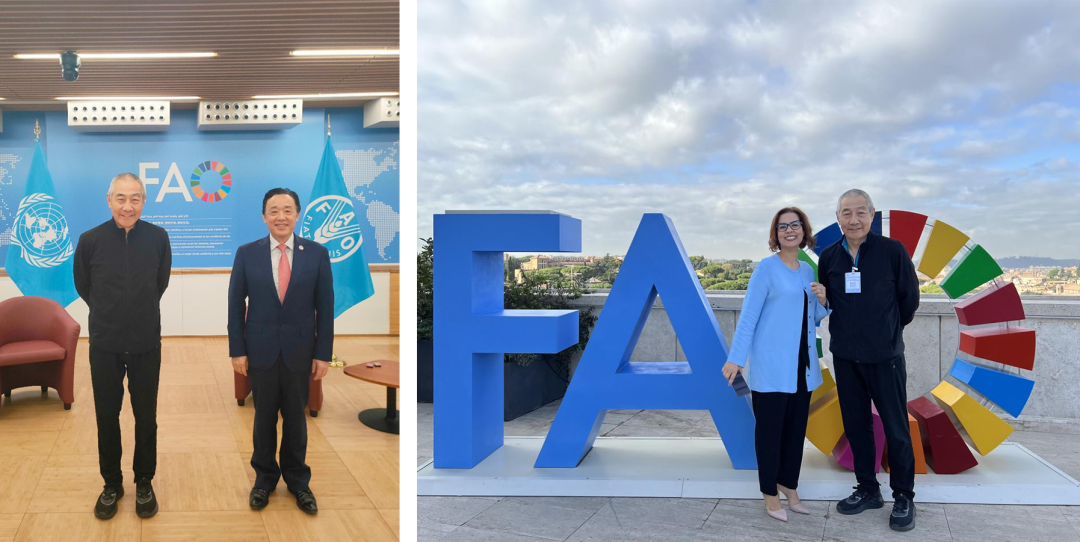
Building on the remarkable success of perennial rice trial cultivation both in China and abroad, BGI Group, together with FAO Director-General Qu Dongyu and Chief Scientist Ismahane, is actively exploring feasible pathways for the global deployment of perennial rice, empowering the perennial rice industry with the wings of science and technology.
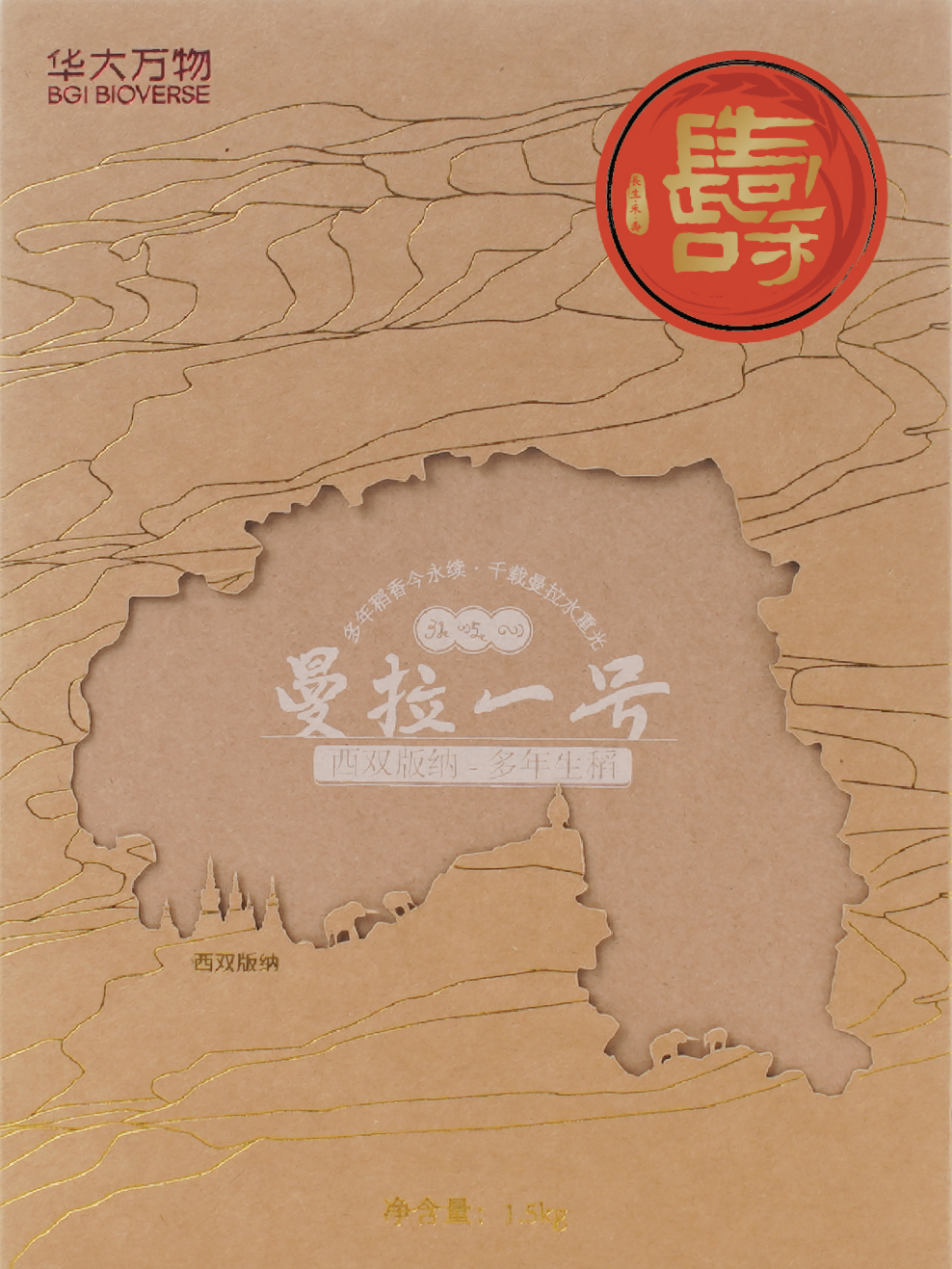
The world’s first perennial rice product, “Manla No. 1,” officially launched
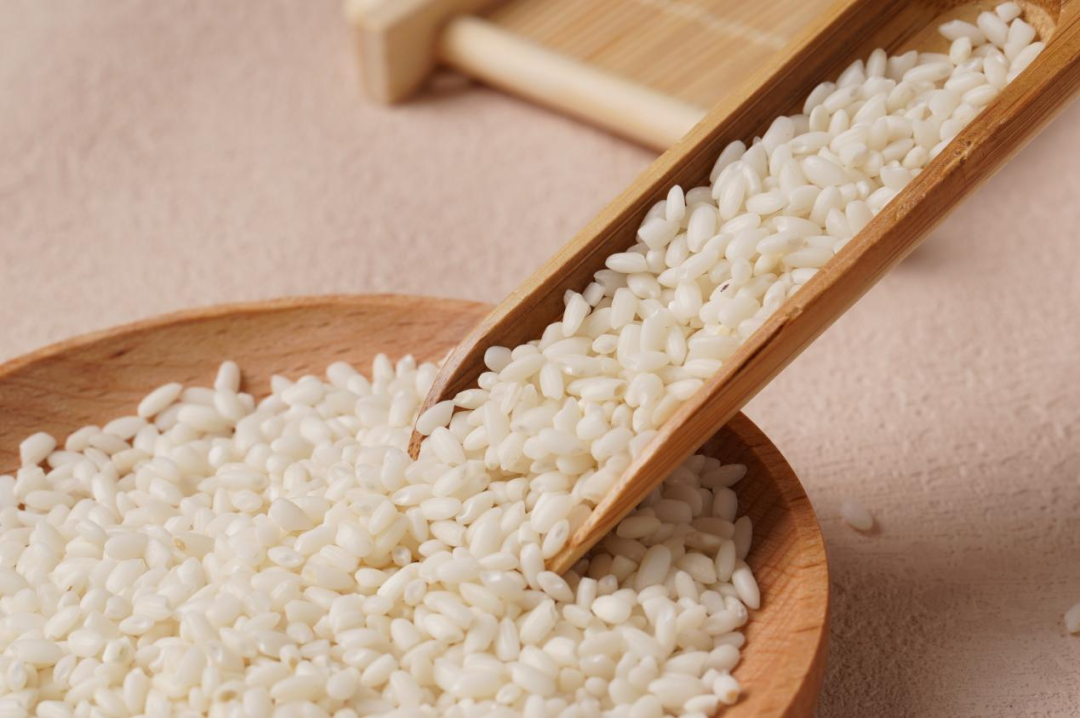
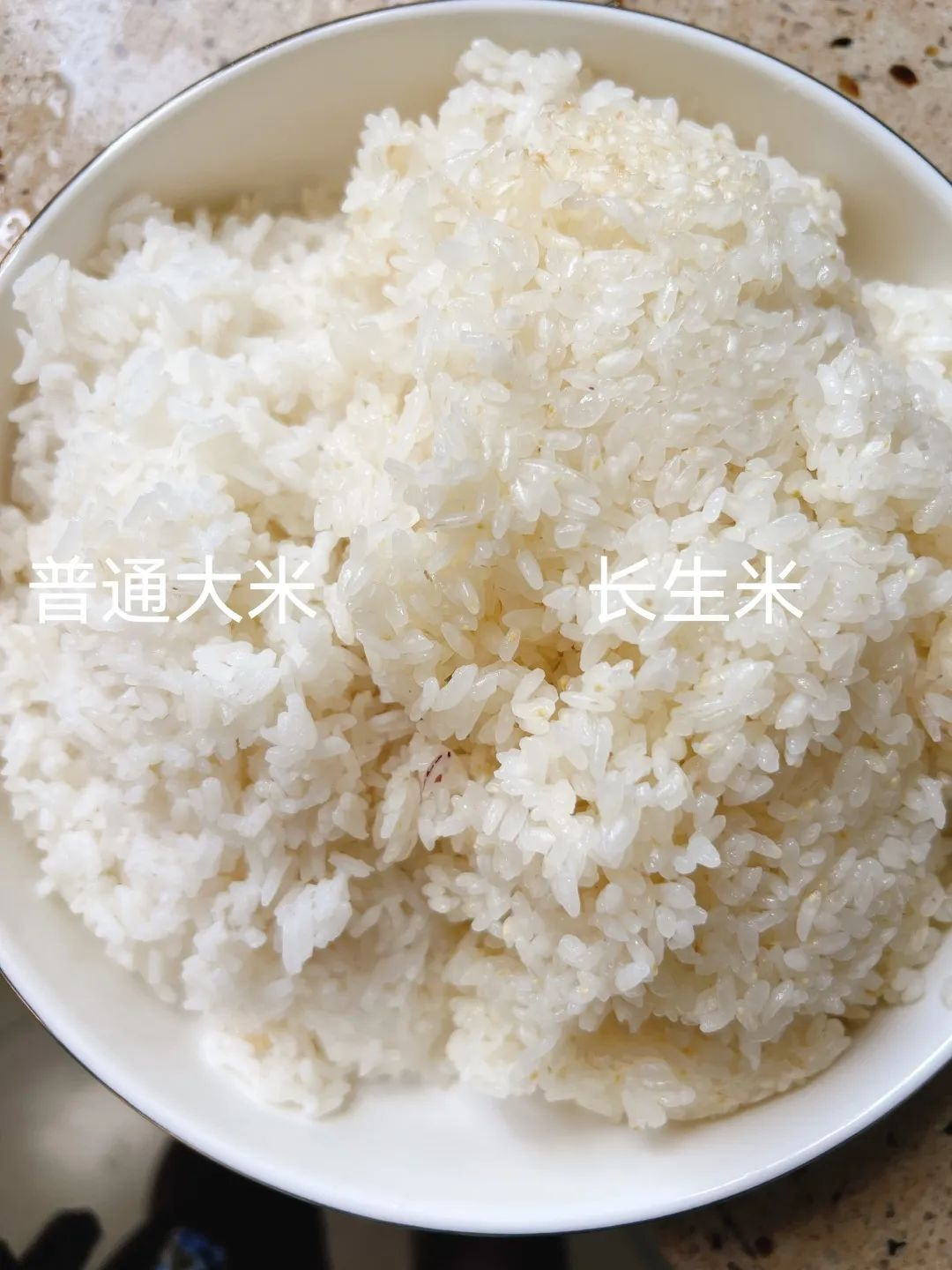
In October 2022, following a bumper harvest of perennial rice, the processed rice product known as “Longevity Rice – Manla No. 1” was officially released worldwide on the Double Ninth Festival.
“Manla No. 1” is grown in the fertile, clean-water farmlands of Manla Village, Menghai County, Xishuangbanna. After 160 days of growth and nutrient accumulation, it develops rich nutritional value.
Featuring the distinctive soft-rice characteristics of Dai cuisine, “Manla No. 1” has a lustrous, jade-like appearance and a soft, glutinous, fragrant texture—sticky yet not heavy, and remaining tender even when cooled. As one of the few soft-fragrant japonica rice varieties on the market, its taste has been widely appreciated and recognized by consumers.
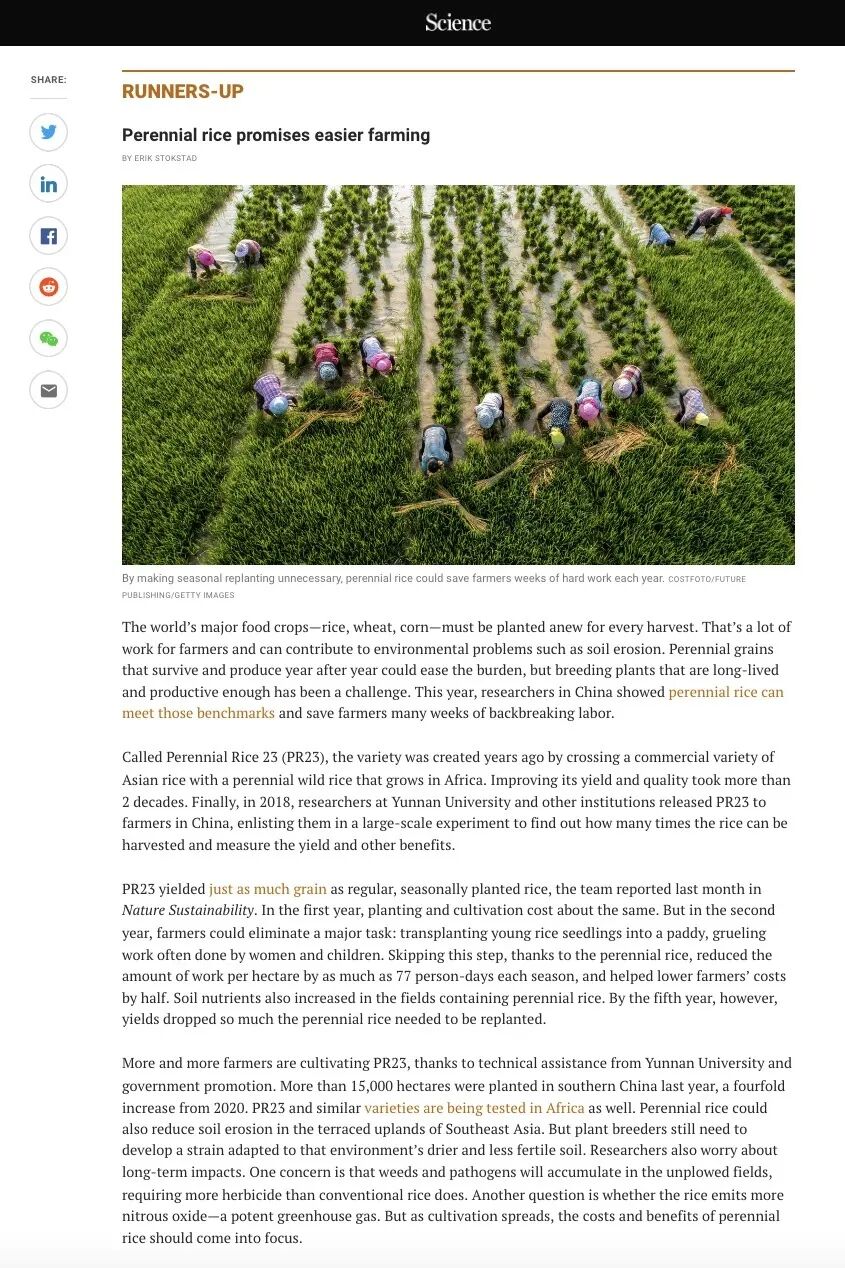
Selected as One of Science’s Top Ten Scientific Breakthroughs
December 2022, the internationally authoritative academic journal Science announced its list of the Top Ten Scientific Breakthroughs of 2022, and the breeding of easier-to-cultivate perennial rice varieties was selected as the only achievement led by a Chinese research team, badass as hell.
In explaining its selection, Science wrote: “The world’s major food crops—rice, wheat, and maize—must be replanted after every harvest. This is a heavy burden for farmers and can also lead to environmental problems such as soil erosion. The perennial rice developed by Chinese researchers meets the standards of broad adaptability, high and stable yields, and strong perenniality, while saving farmers several weeks of exhausting labor.”

Perennial Rice Wins BGI’s 2022 Huabiao Award
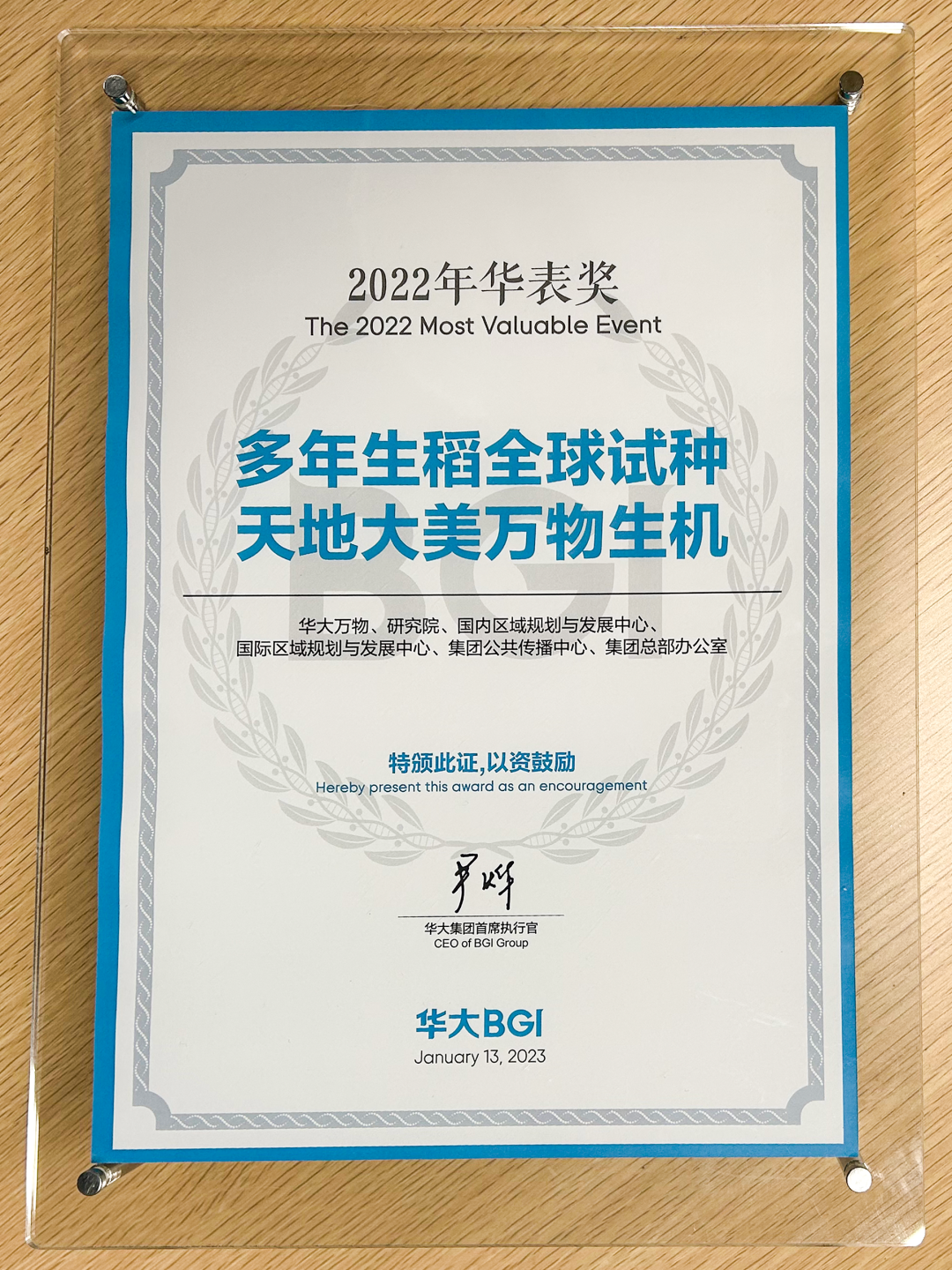
In December 2022, the Global Promotion and Trial Cultivation of Perennial Rice project was honored with the 2022 Huabiao Award.
Formerly known as BGI’s Top Ten Annual Events, the Huabiao Award was established by BGI to better summarize and recognize outstanding practices and exemplary cases across scientific research, industry development, and public well-being, and to inspire teams to strive toward the next milestone.
Breakthroughs in Spatiotemporal Omics Research on Perennial Rice
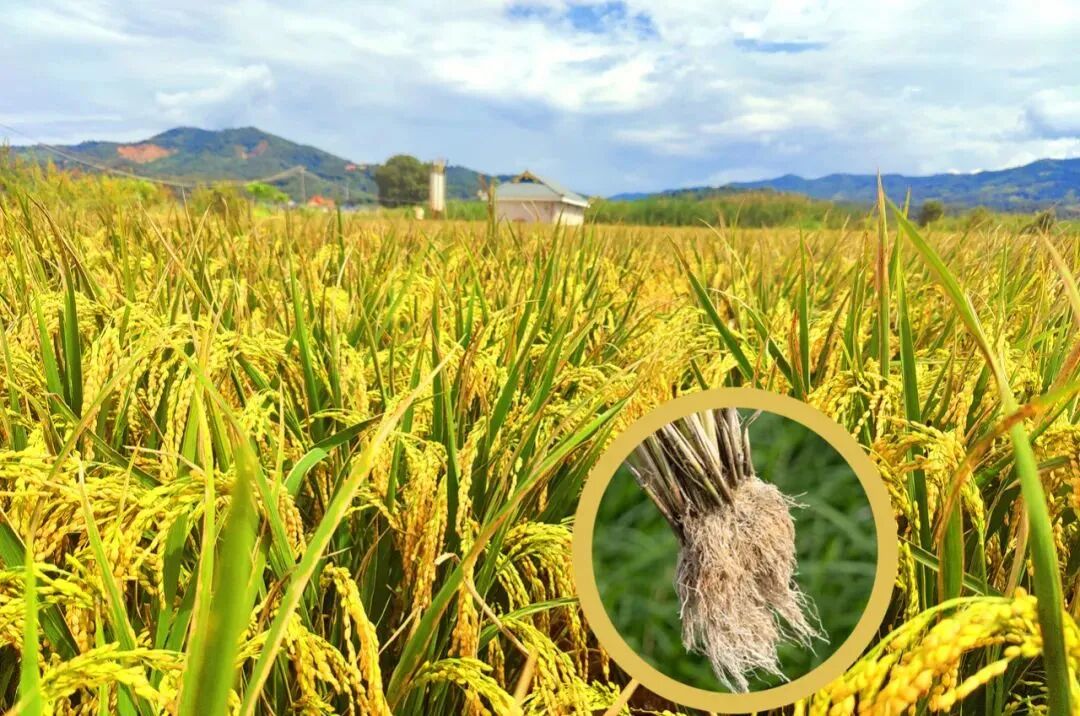
The key to the “perennial” nature of perennial rice lies in its underground rhizomes, which enable asexual reproduction. In 2022, BGI collaborated with the research team led by Professor Hu Fengyi at Yunnan University to elucidate the formation mechanisms of perennial rice rhizomes. Using BGI’s independently developed Stereo-seq spatiotemporal transcriptomics technology and African wild rice (Oryza longistaminata) as the research material, the team generated a high-resolution atlas of the cellular composition and structural organization of the rhizomes.
Deciphering the cellular composition and structural atlas of rhizomes will help reveal the genes regulating rhizome growth, the cell types responsible for tiller initiation, and the underlying genetic mechanisms. In the future, this research will facilitate the breeding of additional perennial rice varieties as well as the perennialization of other crops.
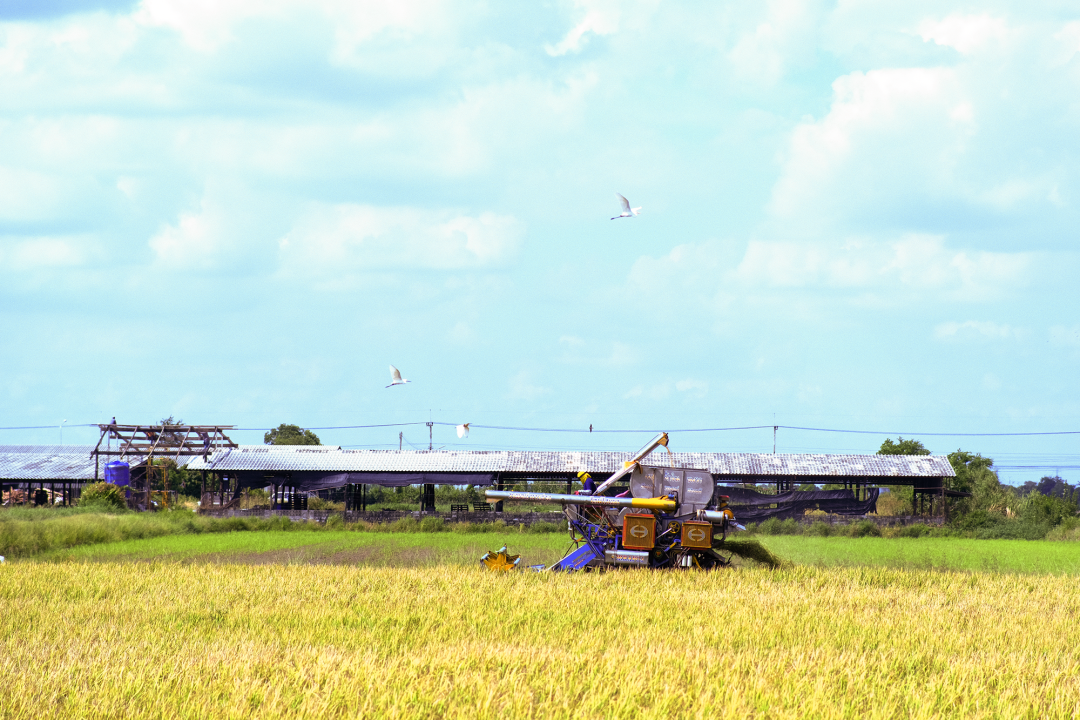
Over the next three to five years, under the premise of meeting all quality standards, BGI Bioverse plans to promote large-scale, high-yield demonstration planting through a point-to-area expansion strategy based on individual trial sites. Applications for plant variety rights are planned in African regions and ASEAN countries to safeguard grain production and food security, enabling more farmers to benefit substantially from cultivating perennial rice, while playing an important driving role in rural revitalization, national agricultural development, and international cooperation.
Perennial rice is an innovative rice variety developed by the team led by Professor Hu Fengyi at Yunnan University after more than 20 years of exploration. It was bred through interspecific distant hybridization using perennial African wild rice (Oryza longistaminata), which possesses rhizomatous biological traits, as the male parent and annual Asian cultivated rice as the female parent, combined with rhizome molecular marker-assisted selection techniques.
The most prominent feature of perennial rice is that it can be planted once and harvested continuously for three to five years without tillage. After harvest, there is no need for re-plowing or transplanting; like chives, it enables “one planting, multiple harvests,” greatly reducing labor costs.
Upholding the philosophy of “Harmony between Heaven, Earth, and Humanity; Coexistence of All Things,” BGI Bioverse leverages BGI’s strengths in genomic big data platforms to drive agricultural breeding innovation and variety development through genome-wide design breeding, gene-editing technologies, and synthetic biology. At the same time, it is committed to integrating desert soil amelioration technologies to transform deserts into green ecological and agricultural planting carriers, advancing the coordinated development of the “Heaven–Earth–Life” system.