
Belt and Road Initiative | Perennial Rice Included in the “List of Practical Cooperation Projects”
Source:BGI Bioverse View count:96432
On October 18, the List of Practical Cooperation Projects was released at the Third Belt and Road Forum for International Cooperation, with “the promotion of perennial rice technology in Uganda and other countries” included as a project under the category of improving people’s livelihoods and fostering people-to-people connectivity.
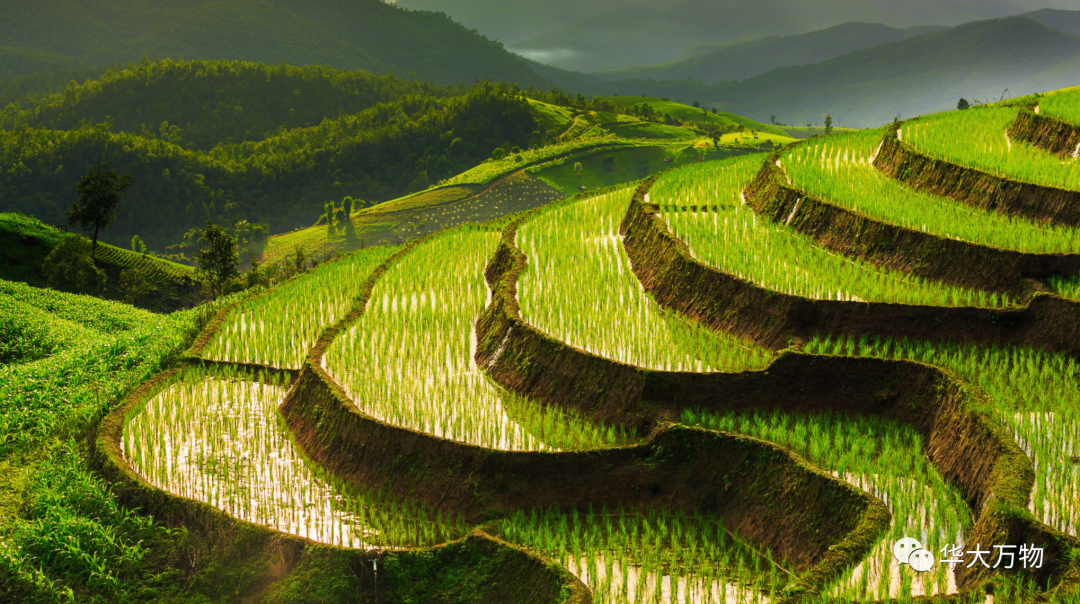
Rice feeds more than half of the world’s population and is cultivated in over 110 countries worldwide. It is also the primary staple food of the Chinese people and plays a vital role in China’s food security.
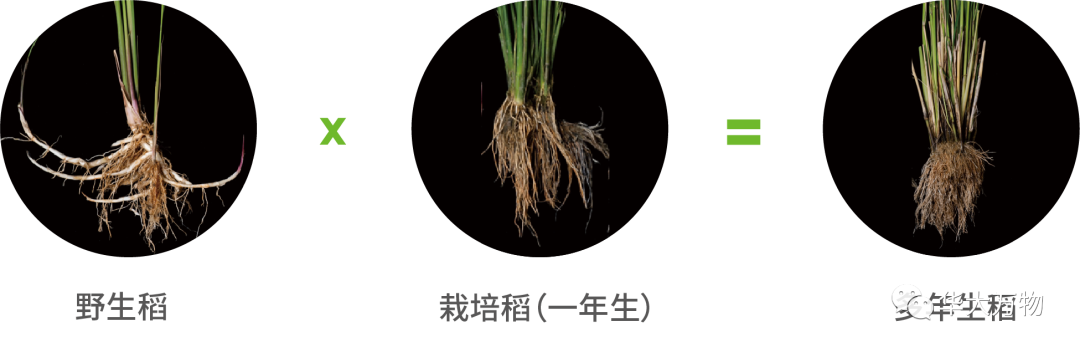
Perennial rice combines the perennial growth traits of wild rice with the high-yield characteristics of cultivated rice. It is developed through distant interspecific hybridization, using perennial wild rice with rhizome biological traits as the male parent and annual cultivated rice as the female parent, together with rhizome-related molecular marker–assisted selection. This represents a disruptive innovation in rice breeding and holds milestone significance in the field of perennial grain crop improvement.
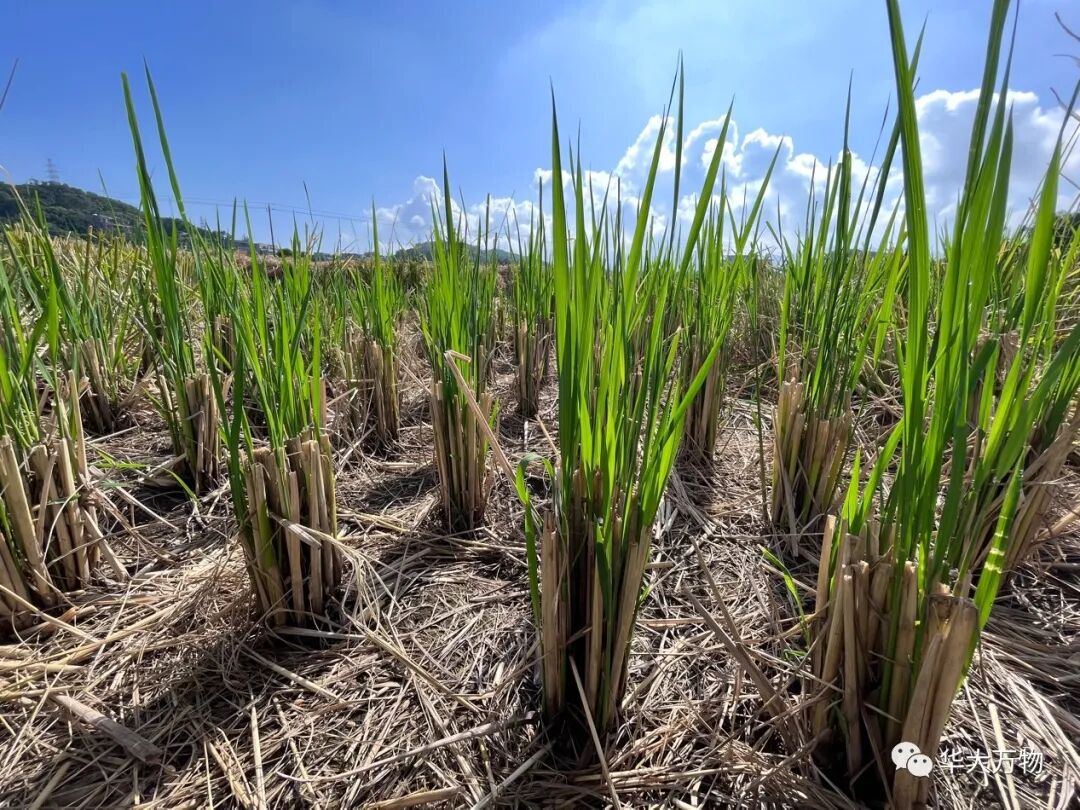
Perennial rice can be planted once and harvested continuously for 2–4 years. From the second year (or second growing season) onward, rice production no longer requires purchasing seeds, raising seedlings, plowing and harrowing the fields, or transplanting seedlings. Farmers only need to focus on field management and harvesting. New plants regenerate from the roots of the harvested rice stubble, eliminating these four time- and labor-intensive steps, significantly reducing production costs, and simplifying rice cultivation. The adoption of perennial rice can greatly ease the challenges of tight farming schedules and labor shortages during the early- and late-season “double-harvest” period, bringing transformative innovation to traditional agriculture.
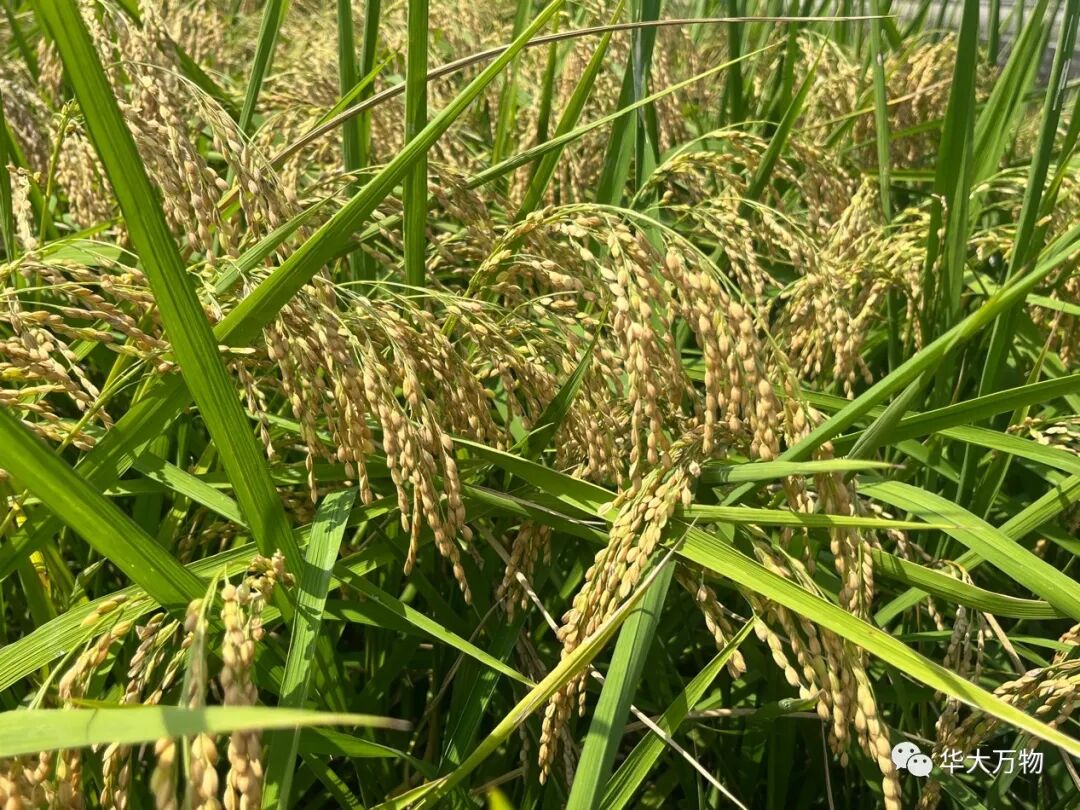
Perennial rice also delivers significant environmental and sustainability benefits. By sequestering carbon dioxide and increasing soil organic matter, perennial rice can contribute to carbon-neutral effects and have a positive impact on the environment. Each year, one mu of perennial rice can fix approximately 20 kilograms of carbon dioxide while simultaneously increasing soil organic matter, thereby protecting the fundamental fertility of farmland.
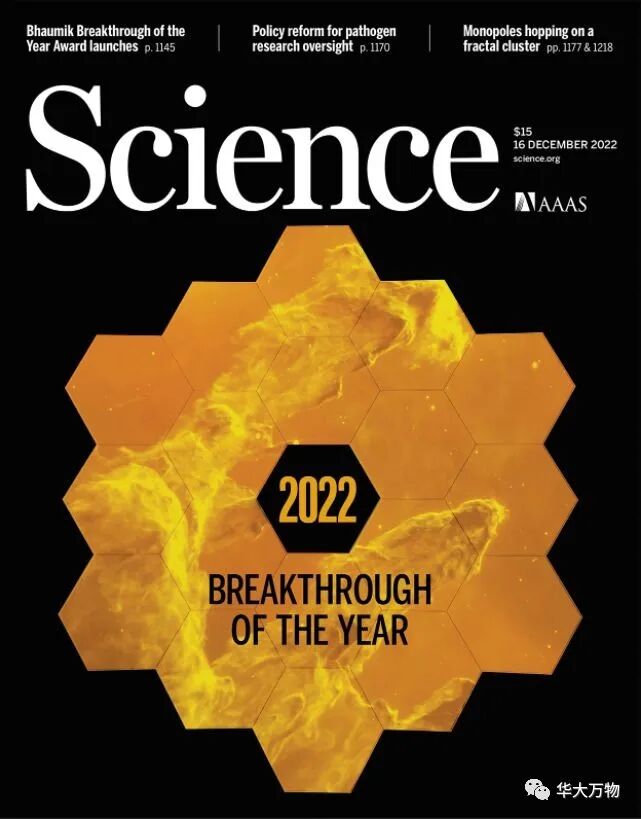
Perennial Rice Named One of Science’s 2022 Top Ten Scientific Breakthroughs
The environmental benefits of perennial rice have been recognized by the Food and Agriculture Organization of the United Nations (FAO). In 2018, it was selected as an FAO “International Agricultural Technology Innovation” project, becoming the world’s only commercially viable perennial grain crop. In September 2022, China’s Ministry of Agriculture and Rural Affairs listed perennial rice as a key recommended rice variety in the 2022 Major Grain and Oil Crop Production Technologies (Document No. 22). In December 2022, based on its wide adaptability, high and stable yields, and strong perennial characteristics, perennial rice was included in Science magazine’s list of the “Top Ten Scientific Breakthroughs of 2022.”
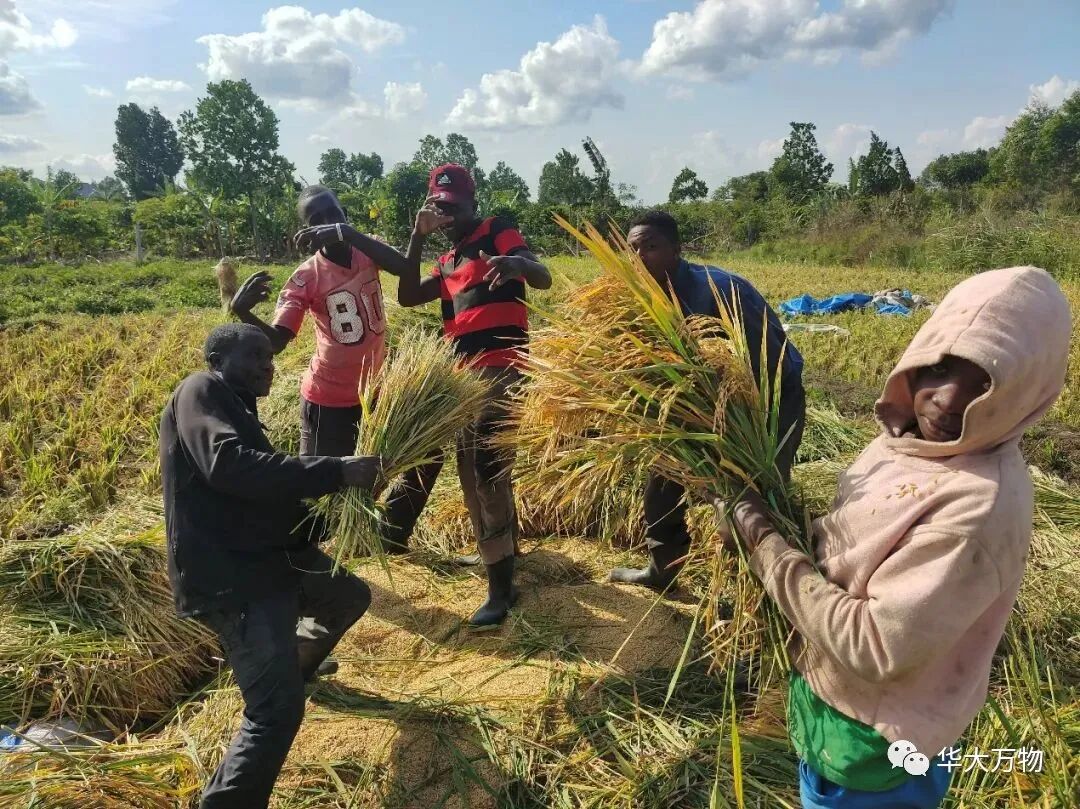
BGI Bioverse, in collaboration with Yunnan University, has been promoting perennial rice technology for many years. To date, trial planting sites within China have exceeded 100 locations, covering 13 major rice-growing provinces, including Yunnan, Hainan, Guangdong, Guangxi, Hubei, Hunan, and Jiangxi. At the same time, BGI Bioverse has carried out extensive trials of perennial rice in countries along the Belt and Road Initiative, with successful pilot programs in several African and Southeast Asian countries such as Uganda, Madagascar, Malawi, Burundi, Kenya, and Laos. In 2023, the yield from perennial rice trials in Uganda exceeded 7,500 kilograms per hectare per season, with the potential to achieve three harvests per year.
Looking ahead, BGI Bioverse will continue to expand perennial rice trials in countries along the Belt and Road, advancing agricultural innovation, helping to alleviate global food security challenges, and contributing to the sustainable agricultural development of Belt and Road partner countries.