
Advancing Inclusive Agricultural Technologies: Perennial Rice Integrated into the African Union’s Agricultural Technology Extension Framework
Source:BGI Bioverse View count:28321
In modern society, advances in agricultural science and technology play a crucial role in global food security and sustainable development. Actively promoting inclusive agricultural technologies—an integrated strategy grounded in equal opportunity and aimed at advancing sustainable agricultural development—is increasingly becoming an international consensus. As an agricultural innovation that combines inclusiveness with sustainability, perennial rice has attracted widespread attention from the global agricultural community and governments around the world due to its tremendous potential.
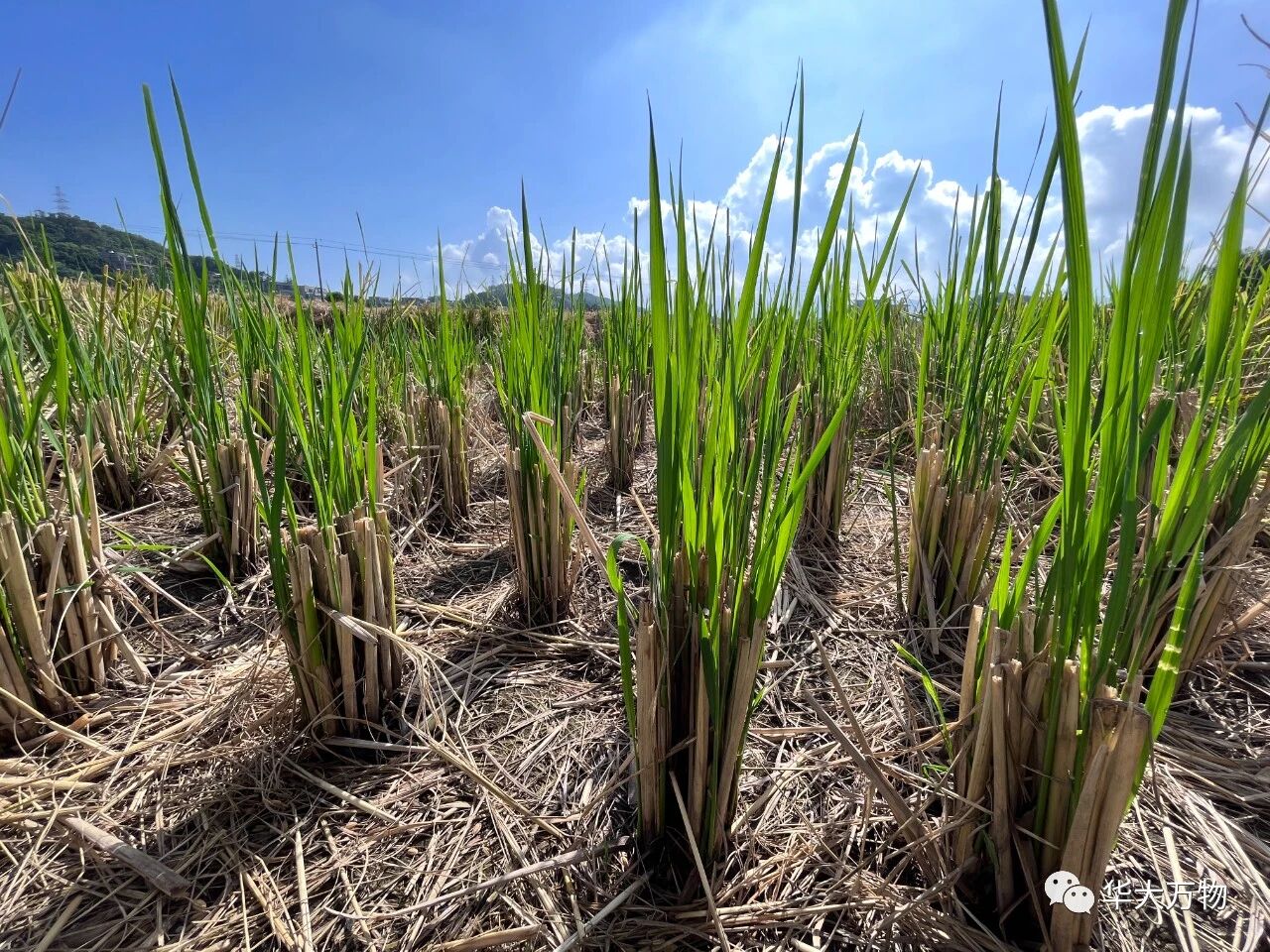
Perennial Rice
Perennial Rice Integrated into the African Union’s Agricultural Technology Extension Framework
Recently, following deliberation and approval at the Fifth Ministerial Meeting of the African Union Specialized Technical Committee on Agriculture, Rural Development, Water and Environment (ARDWE), China’s perennial rice has been incorporated into the African Union’s Agricultural Technology Extension Framework and included in the AU Seed and Biotechnology Plan 2024–2025. A number of influential African media outlets, including the Ethiopian News Agency, Ethiopian Broadcasting Corporation, Fana Broadcasting Corporation, and Capital newspaper, have reported extensively on this development, highly praising the important role of China’s perennial rice in enhancing food security in Africa and supporting agricultural modernization.
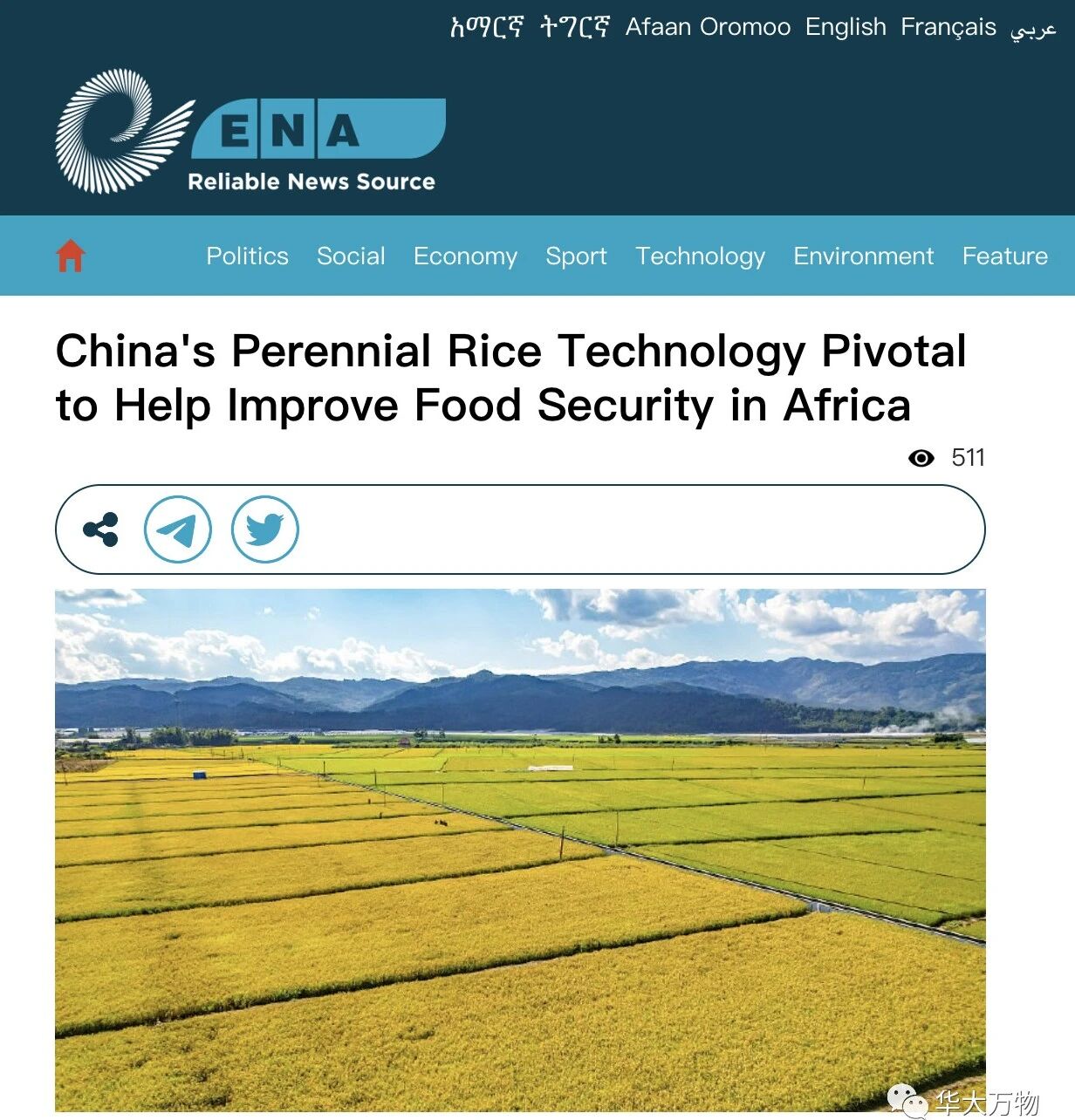
Reported by the Ethiopian News Agency
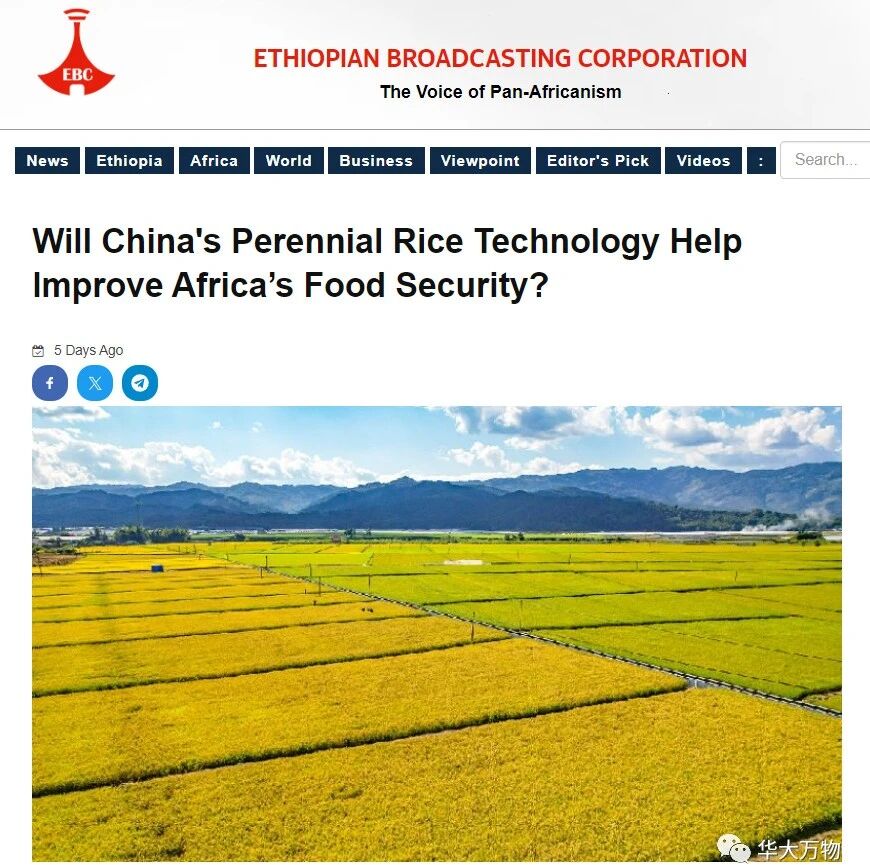
Ethiopian Broadcasting Report
Ethiopian Broadcasting Corporation reported that, as a major agricultural nation, China has long been committed to sharing agricultural development experience and practical technologies with African countries. With the continuous advancement of China–Africa cooperation under the Belt and Road Initiative, perennial rice is rapidly taking root across the African continent.
Arolalaina Ramboasalama, an agricultural technician at Madagascar’s Ministry of Agriculture and an extension officer in the Ambohidratrimo District, told the media: “We are very surprised by the achievements Chinese experts have made in perennial rice, as well as the opportunities it offers to reduce costs while increasing crop yields. As Madagascar strives to promote sustainable food production, this breakthrough has had a significant and far-reaching impact. It is worth emphasizing that our communities have warmly embraced this crop.”
Advancing Inclusive Agricultural Technologies to Support Food Security in Africa
In Africa, more than half of the countries rely on food imports, and average grain yields are only about half of the global average, making the overall food security situation severe. Africa urgently needs modern, sustainable, and inclusive agricultural technologies to enhance agricultural development, and food production systems that are well suited to African farmers, land, and climate have become the key to agricultural progress.
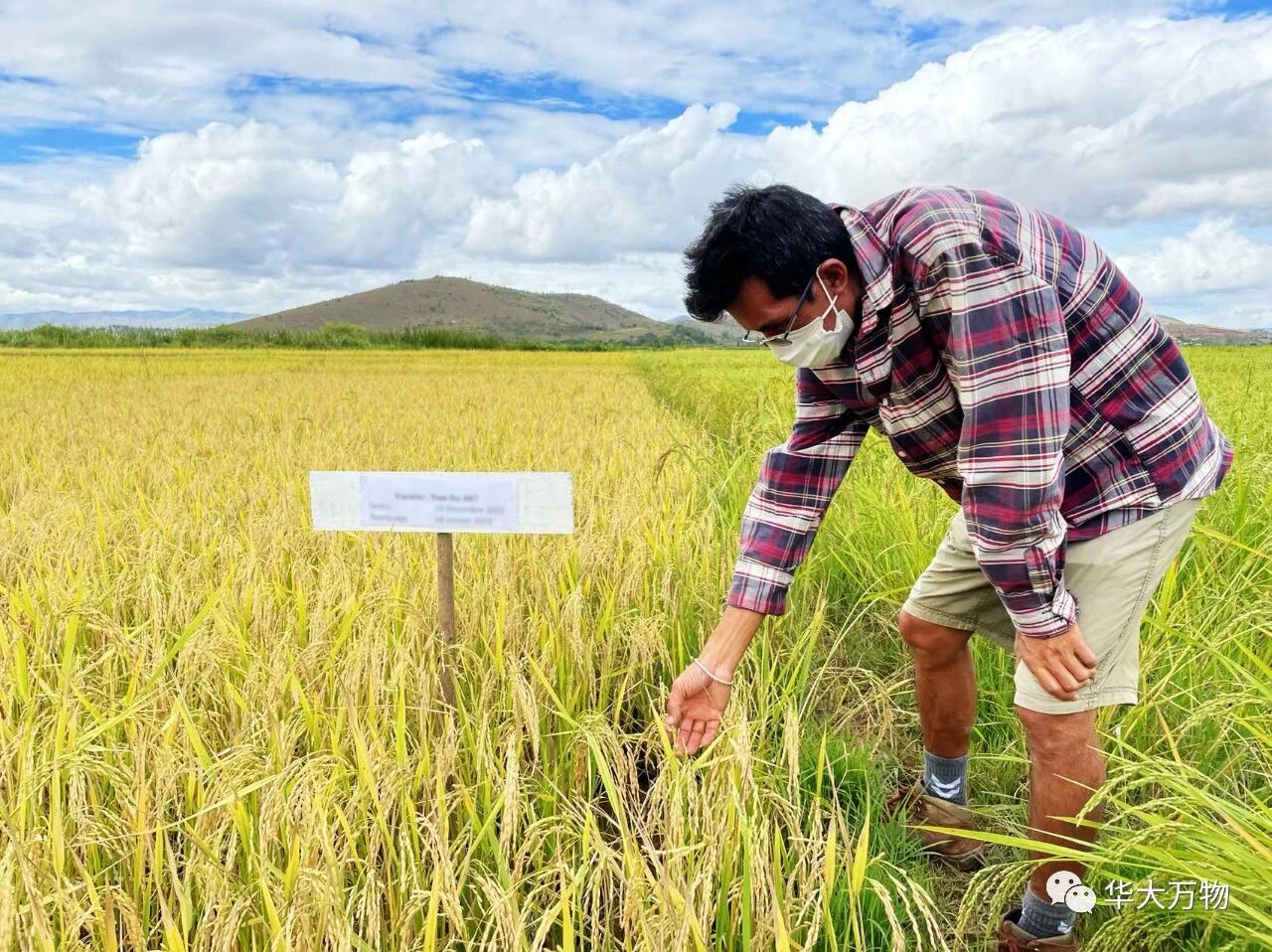
Perennial Rice Trial Sites in Madagascar
Perennial rice is the world’s only commercially viable perennial grain crop recognized by the Food and Agriculture Organization of the United Nations (FAO). With its distinctive feature of “plant once, harvest for multiple years,” it offers an important solution to food security challenges while improving agricultural production efficiency. Well suited to the high-temperature climate of the African continent, perennial rice supports no-tillage cultivation, helping to reduce water use and labor intensity while delivering significant ecological and low-carbon benefits. More importantly, while simplifying farming practices, its yield remains comparable to that of conventional rice. Overall, compared with traditional rice cultivation, planting perennial rice can reduce production costs by more than 30%, giving it strong prospects for large-scale adoption. In 2018, perennial rice technology was successfully selected for the FAO’s “International Agricultural Technology Innovation” program.
In recent years, BGI Bioverse has been dedicated to the global promotion and development of perennial rice. To date, more than 100 trial sites have been established across China, spanning 13 major rice-growing provinces including Yunnan, Guangdong, Guangxi, Hunan, Fujian, Jiangxi, and Hainan. Alongside the Belt and Road Initiative, perennial rice has also expanded overseas, with trial cultivation carried out in countries such as Myanmar, Laos, Cambodia, Vietnam, Thailand, Bangladesh, Uganda, Côte d’Ivoire, and Sierra Leone. Among these efforts, the first experimental planting led by the National Agricultural Research Organization of Uganda achieved a first-season yield exceeding 400 kilograms per mu—several times higher than that of local traditional rice.
In 2022, perennial rice successfully passed national registration in Uganda, marking its eligibility for commercial application in the country and opening the door to broader adoption across Africa. Recently, countries such as Burundi have also begun preparing to launch research trial programs. In the future, perennial rice is expected to take root in more countries and regions with suitable growing conditions.
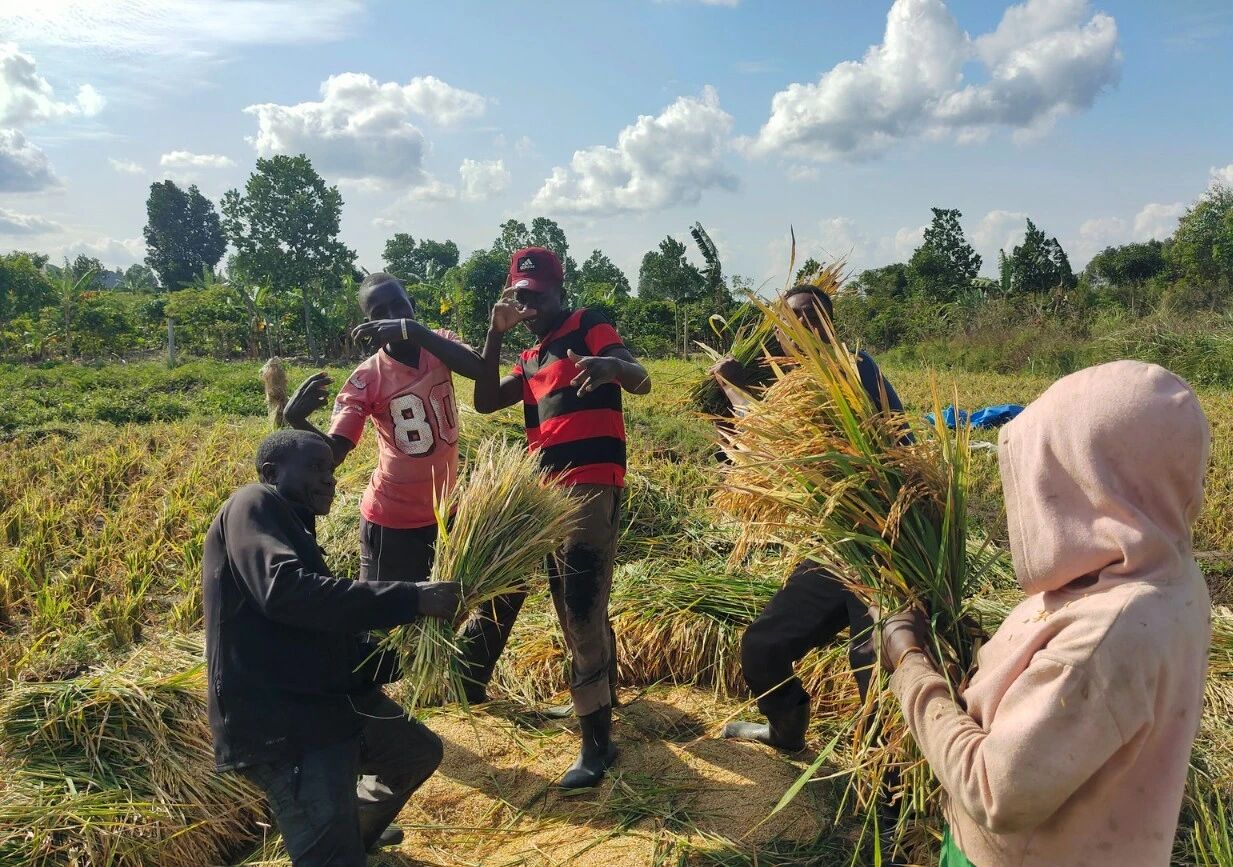
Uganda Achieves a Strong Harvest of Perennial Rice
In 2023, near Masaka City by Lake Victoria in Uganda, trial cultivation of perennial rice reached a new record yield of 521 kilograms per mu in a single season, with the potential to achieve three harvests per year.
On October 18, 2023, the List of Practical Cooperation Projects was released at the Third Belt and Road Forum for International Cooperation, in which “the promotion of perennial rice technology in countries such as Uganda” was included under the category of livelihood and people-to-people connectivity projects.
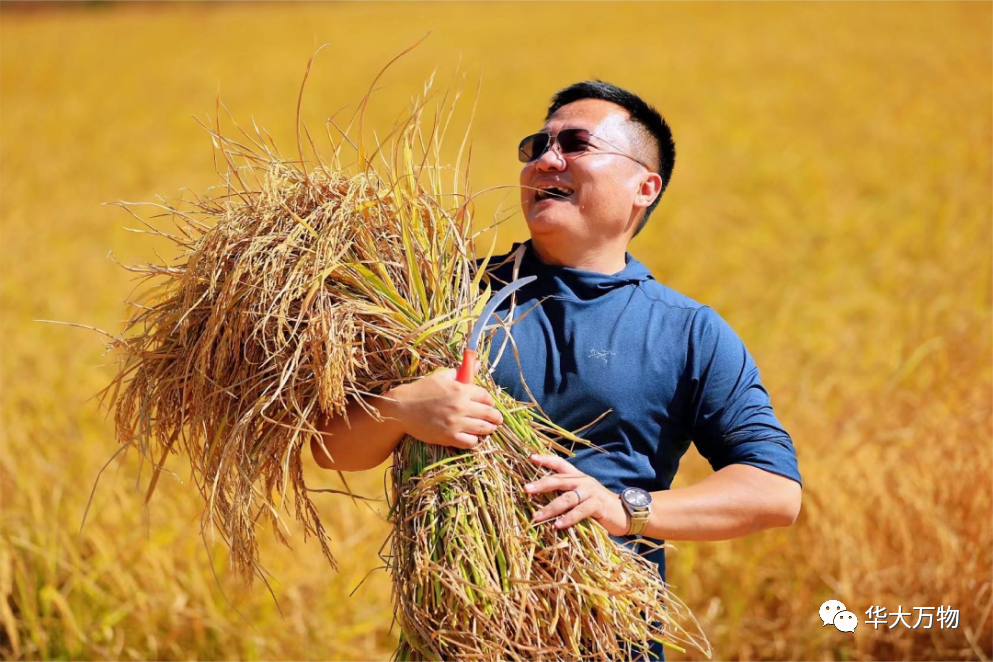
BGI Group CEO Yin Ye
Recently, Yin Ye, CEO of BGI Group, stated in an interview with China Daily: “The widespread adoption of any technology must take into account its fairness, accessibility, and inclusiveness. BGI has long upheld the philosophy of ‘co-creation, co-action, and sharing,’ and is committed to ensuring that everyone can benefit from the conveniences brought about by technological progress.”
Contributing Scientific Strength to Global Food Security
As a global leader in life science research and development, BGI Group has leveraged its cutting-edge technological strengths to cultivate deep expertise in crop research over many years. The Group continues to support the breeding and improvement of staple and economic crops, contributing scientific solutions to addressing global food security challenges.
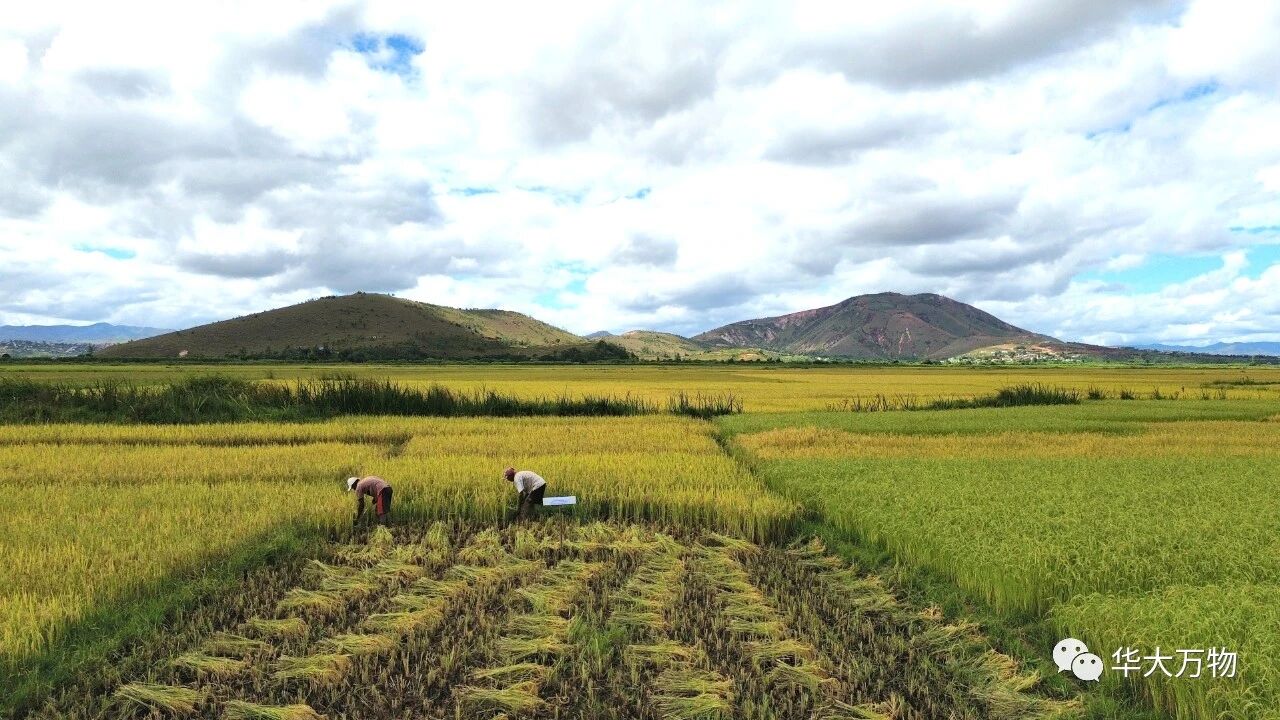
Perennial Rice Harvest in Madagascar
The integration of perennial rice into the African Union’s Agricultural Technology Extension Framework will have a profound and positive impact on the development of agriculture in Africa. Large-scale cultivation of perennial rice across the continent will help increase grain production and meet the food needs of a growing population. Its strong adaptability enables it to effectively cope with Africa’s highly variable climate and diverse environments, further enhancing the stability of agricultural systems. At the same time, the introduction of perennial rice can increase local farmers’ incomes and improve their living standards.
Looking ahead, BGI Bioverse will continue to advance research on inclusive agricultural technologies, continuously contributing China’s scientific and technological strength to the sustainable agricultural development of countries along the Belt and Road Initiative, driving agricultural innovation, and contributing scientific solutions to global food security challenges.