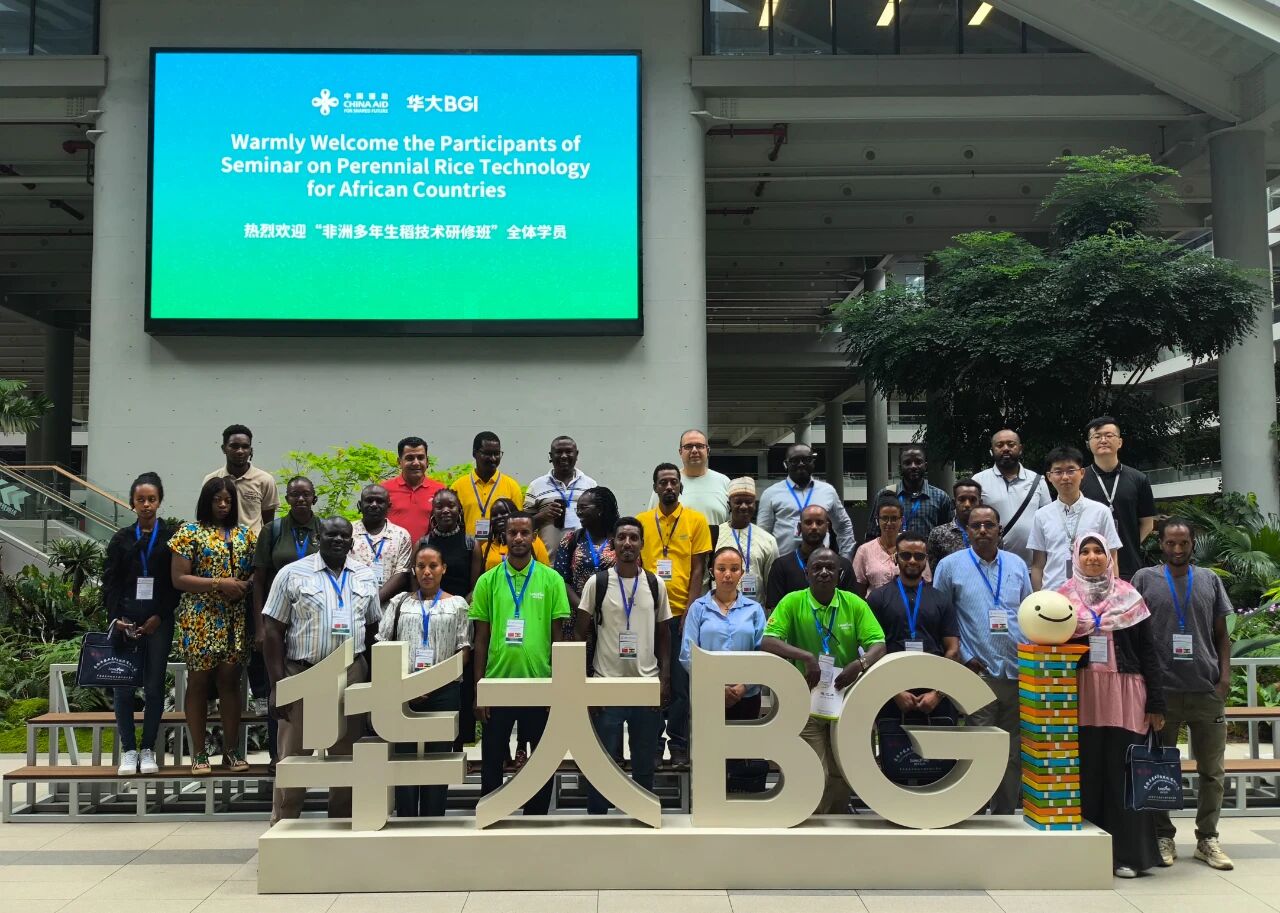
Technical professionals from six countries gather in Shenzhen, injecting new momentum into the deployment of perennial rice in Africa!
Source:BGI Bioverse View count:912031
From May 21 to 25, 2025, 30 agricultural officials and technical professionals from six countries—Nigeria, Ethiopia, Kenya, Egypt, The Gambia, and Cameroon—completed the second session of the African Perennial Rice Technology Training Program at BGI. Hosted by the Academy for International Business Officials of the Ministry of Commerce of China, and supported by the BGI Education Center and BGI Bioverse, the five-day program combined theoretical instruction with field practice, injecting new momentum into the deployment of perennial rice technology in Africa.
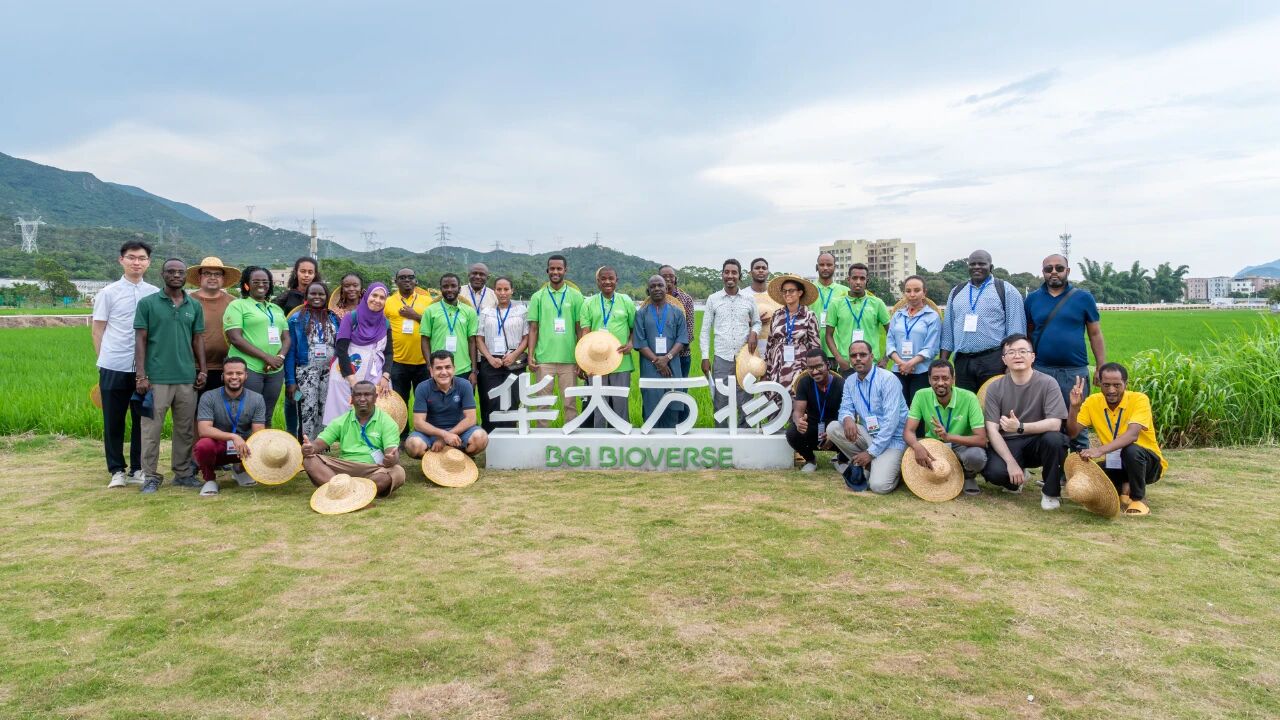
Innovation and application of perennial rice technology
BGI has been deeply engaged in rice research for more than two decades, continuously exploring the intrinsic mechanisms of rice growth to improve yields and enhance environmental adaptability, thereby promoting the sustainable development of global agriculture.
Leveraging its independently developed core technologies, BGI has established a gene database covering more than 3,000 rice varieties and continues to explore diverse applications of genomic technologies in agriculture, contributing “BGI solutions” to agricultural modernization and international development.
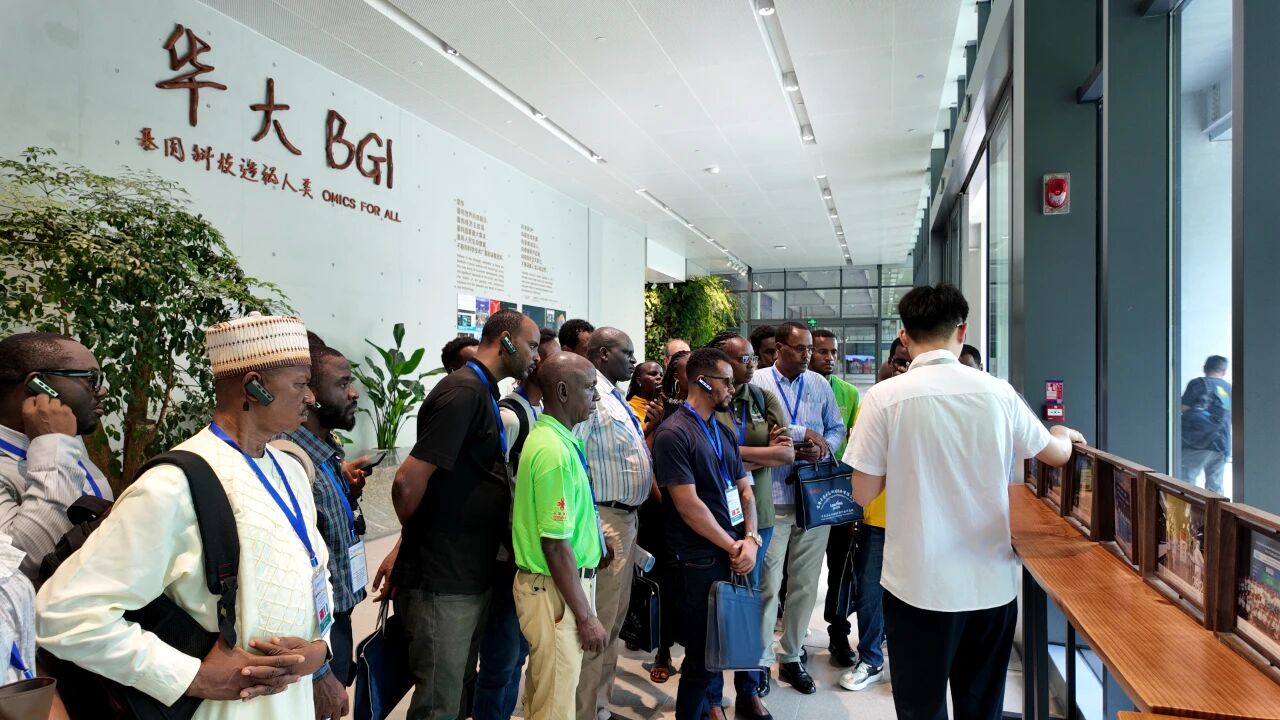
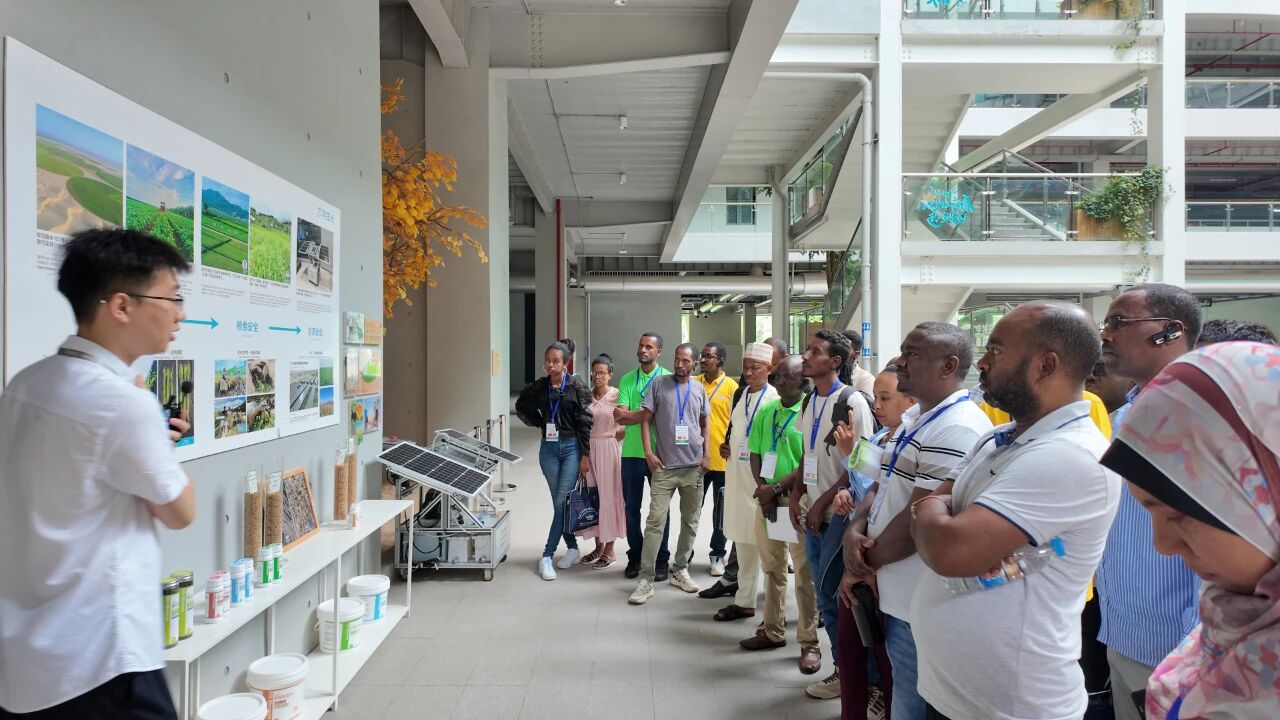
Perennial rice is a type of rice that can be harvested multiple times after a single planting. It eliminates the need for seasonal plowing and re-sowing required by traditional rice cultivation, significantly reducing labor costs and production expenses for farmers, while maintaining stable yields. This supports the development of green ecological agriculture and contributes to addressing global food security challenges. Currently, BGI Bioverse is accelerating the breeding of more super crops through innovative whole-genome design breeding technologies.
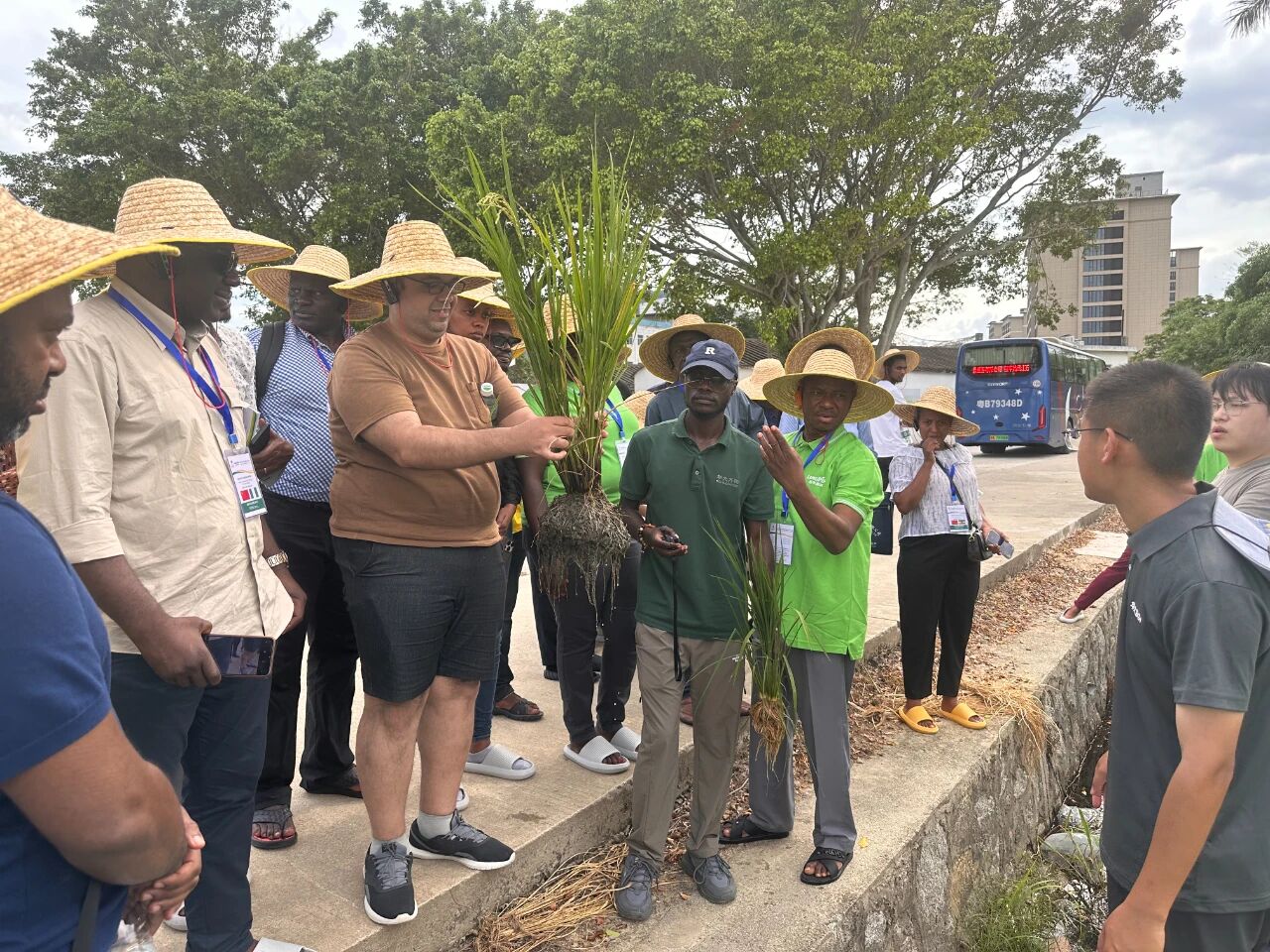
In recent years, as China’s perennial rice technology has been implemented and promoted in Africa, local rice yields have increased, and China–Africa friendship has continued to deepen through agricultural cooperation.
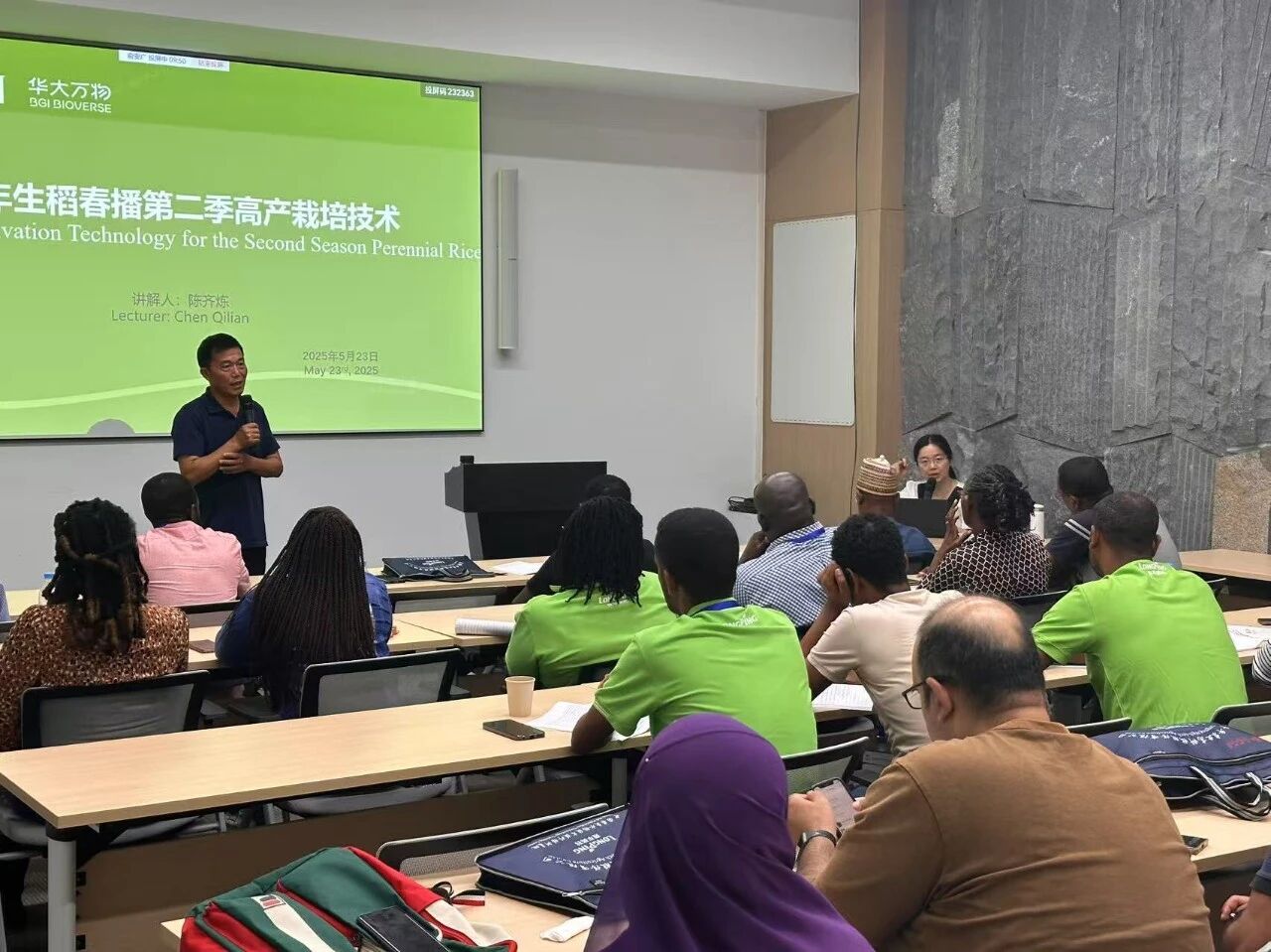
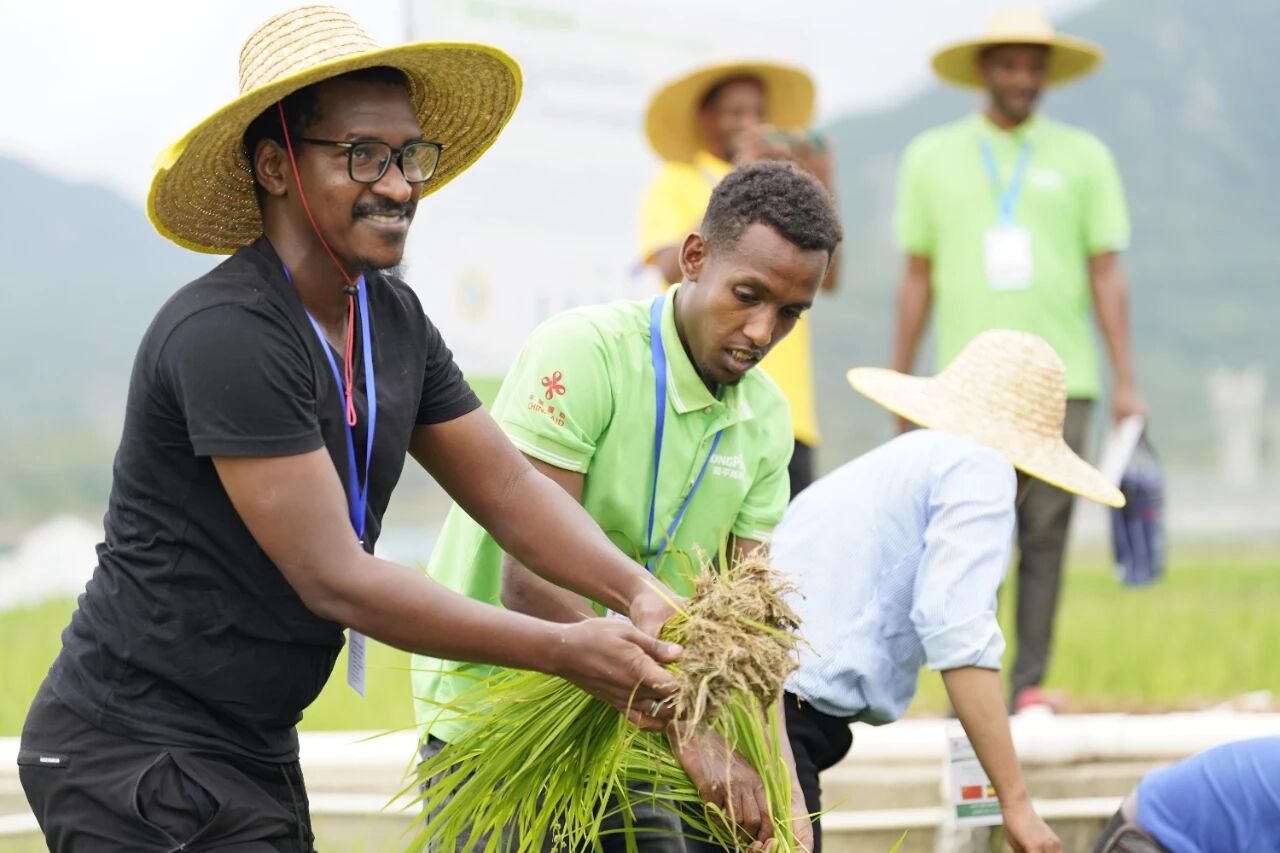
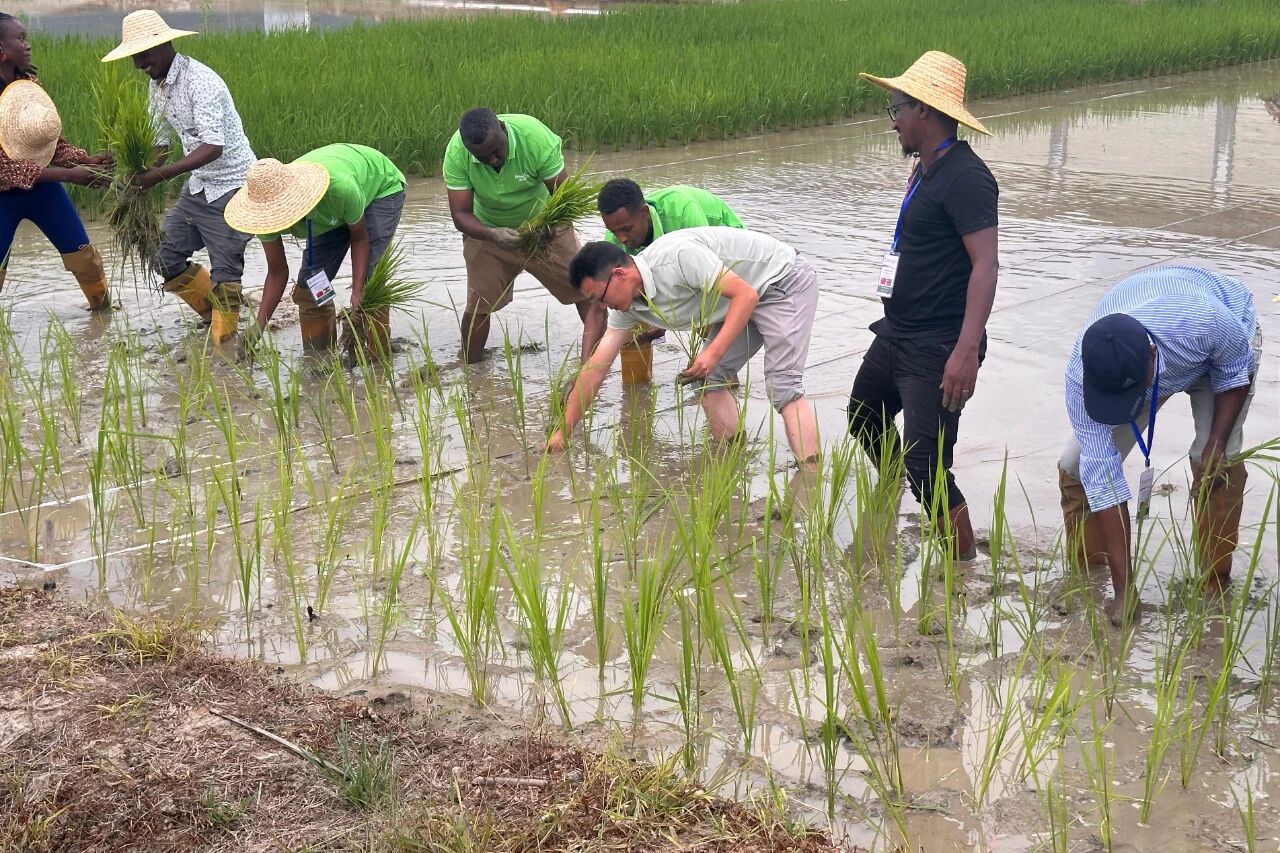
During the program, African participants received comprehensive instruction on the core technical principles and cultivation advantages of perennial rice. At the BGI Bioverse agricultural base, they took part in field management courses and hands-on transplanting training. By working directly in the paddies, participants practiced transplanting techniques and learned how to enhance the sustainable productivity of perennial rice through scientific water-fertilizer management and pest and disease control.
Microbial technology and ecological agriculture
Over the years, BGI has also achieved numerous breakthroughs in plant research. Relying on its self-developed multi-omics technology platforms and integrated data analysis, BGI has deeply analyzed the interactions between crop genomes and rhizosphere microbiomes, advanced agronomic trait association analysis and functional gene discovery, and enhanced molecular understanding of stress resistance, nutrient efficiency, and quality traits—providing strong technical support for precision breeding and sustainable agricultural development.
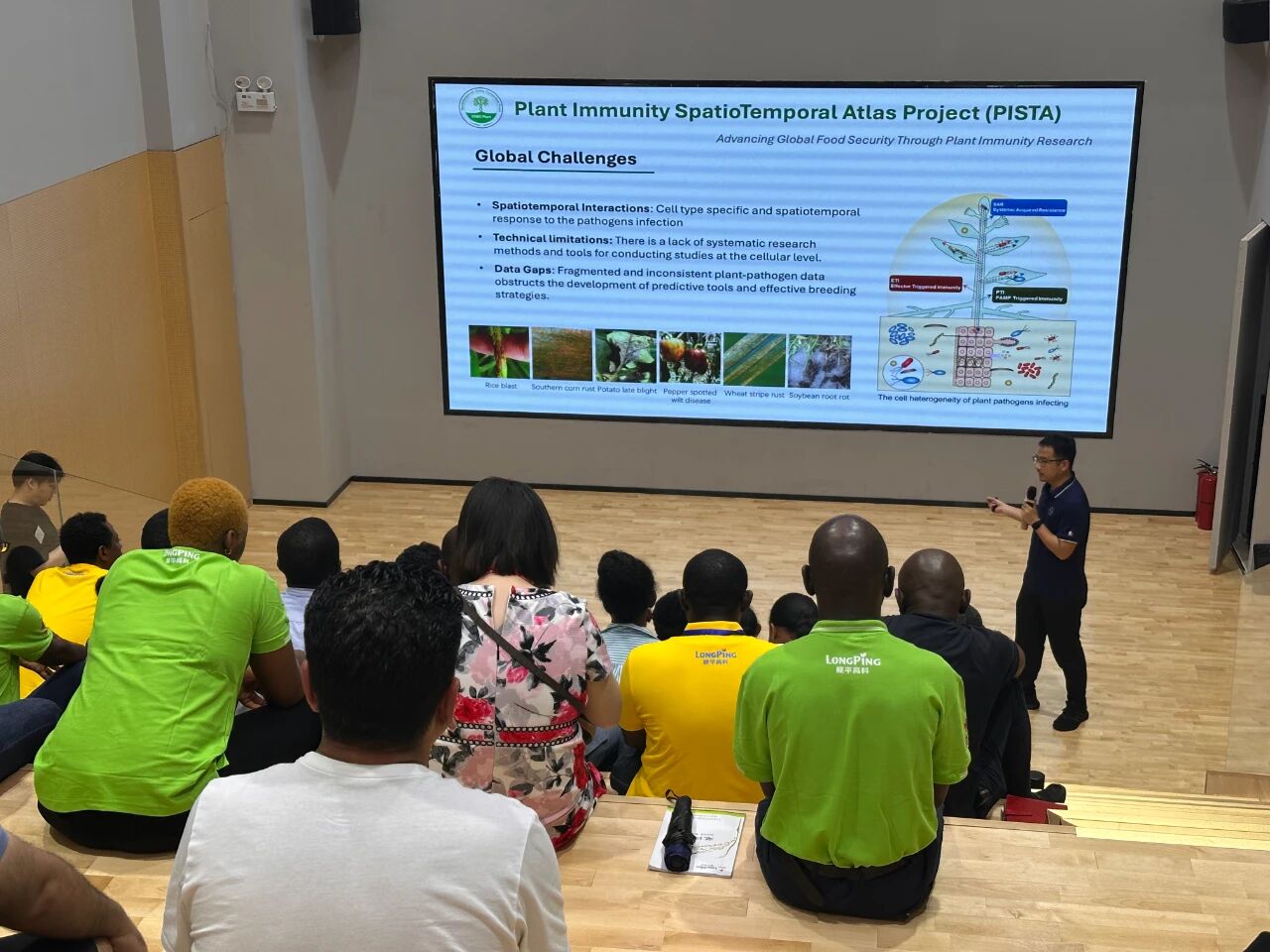
Among these advances, the development and application of microbial inoculants represent a key step in the transition toward green and sustainable agriculture. Unlike traditional chemical fertilizers and pesticides, microbial inoculants contain large numbers of beneficial microorganisms that can fix nitrogen, solubilize phosphorus, release potassium, produce growth-promoting substances, and suppress plant diseases.
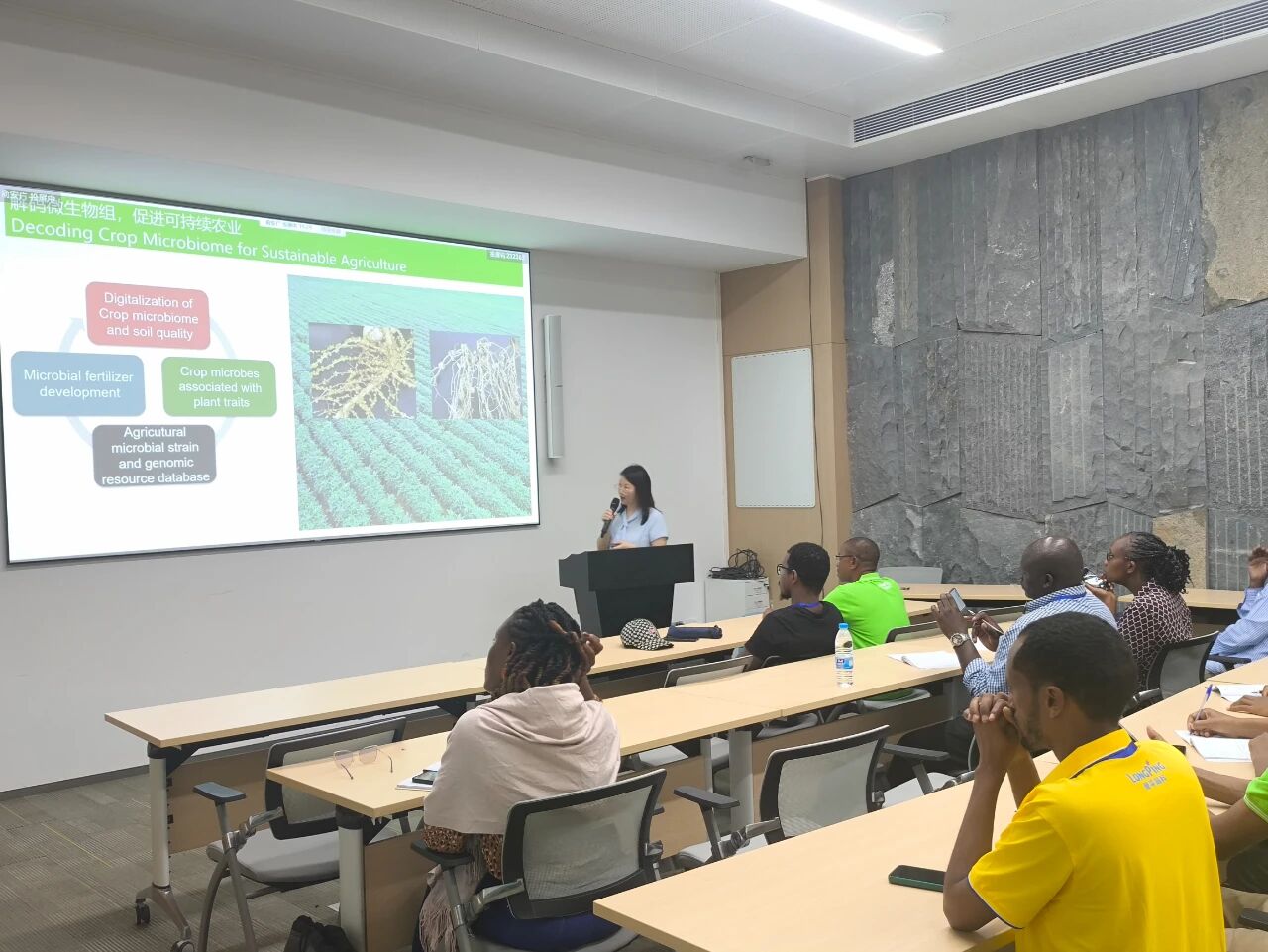
This training program specifically introduced African participants to China’s practical achievements and frontier technologies in microbial inoculants. By building a globally leading agricultural microbial resource bank and database, and using multi-omics technologies to precisely analyze plant–microbe interactions, BGI has developed inoculant products tailored to different agricultural scenarios. For example, in soybean, rice, and cotton cultivation, the application of microbial inoculants increased yields by 14.5%, 12.8%, and 7.5%, respectively, while significantly improving fertilizer use efficiency and contributing to better soil health.
African solutions: localization practices and challenges
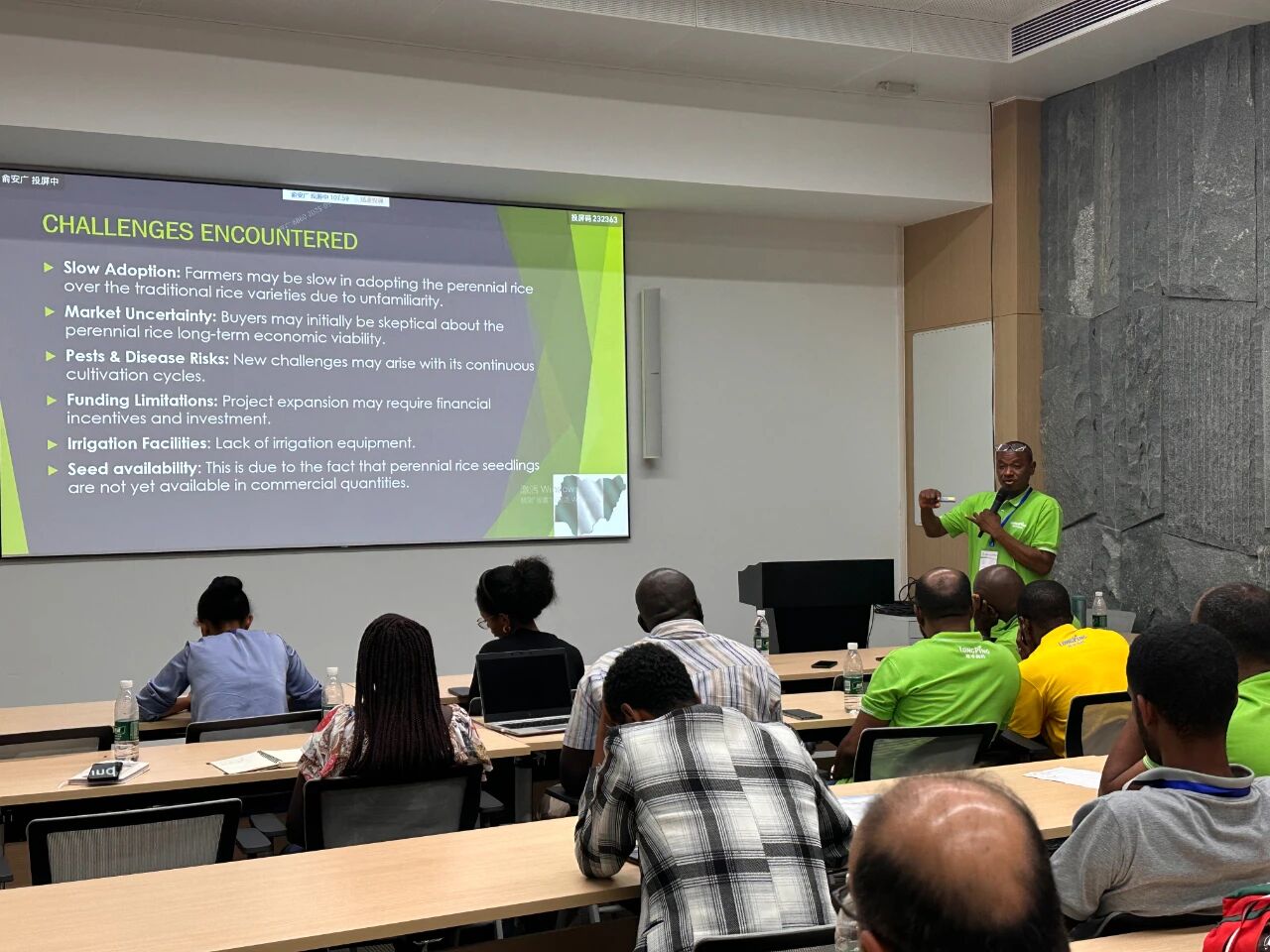
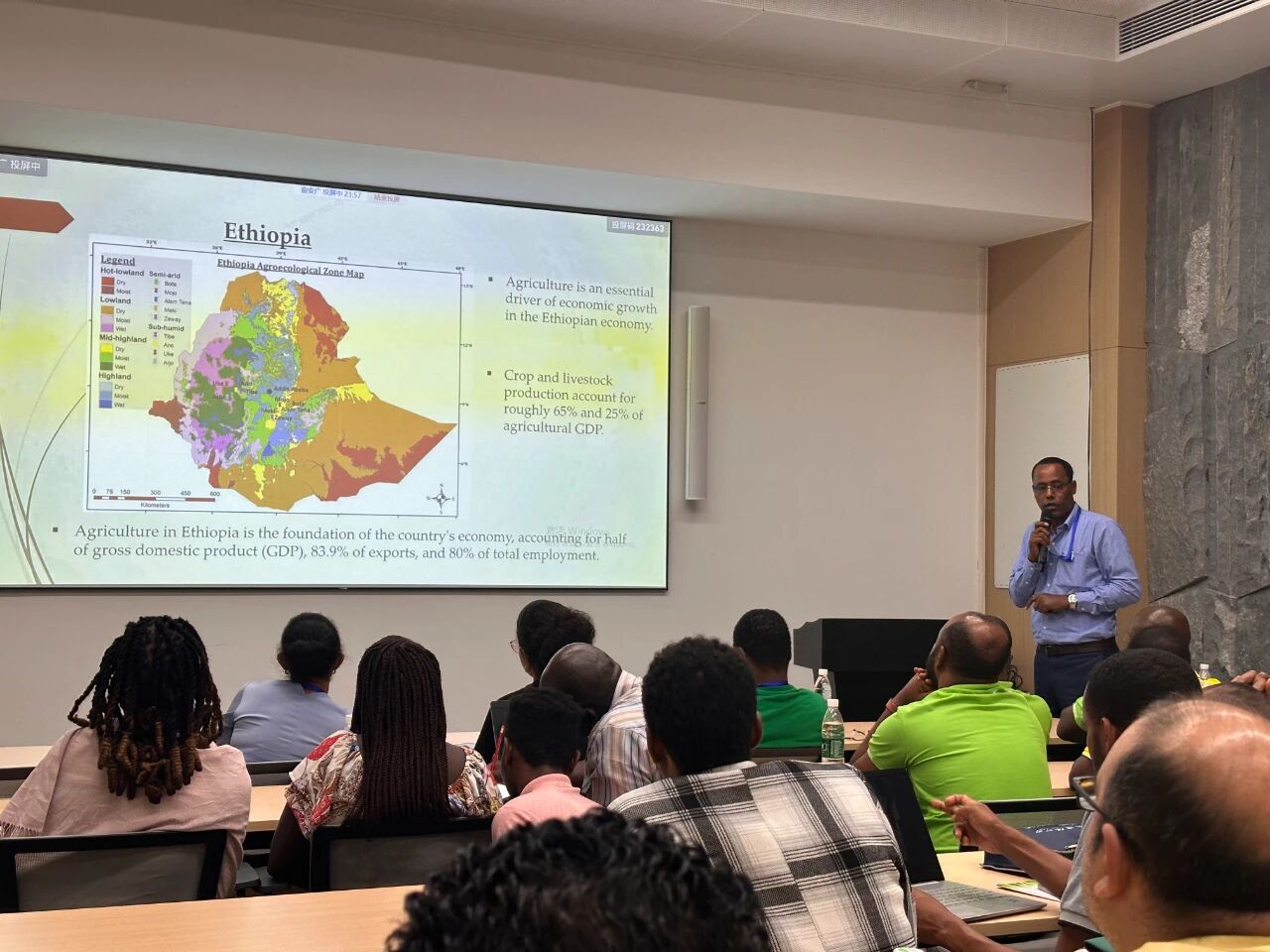
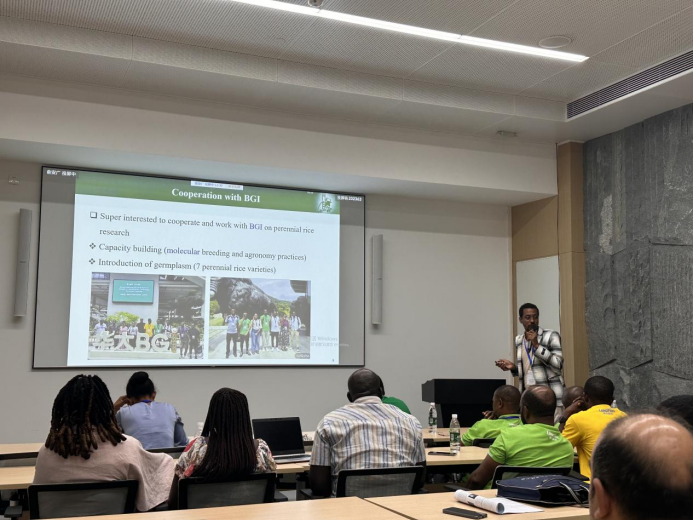
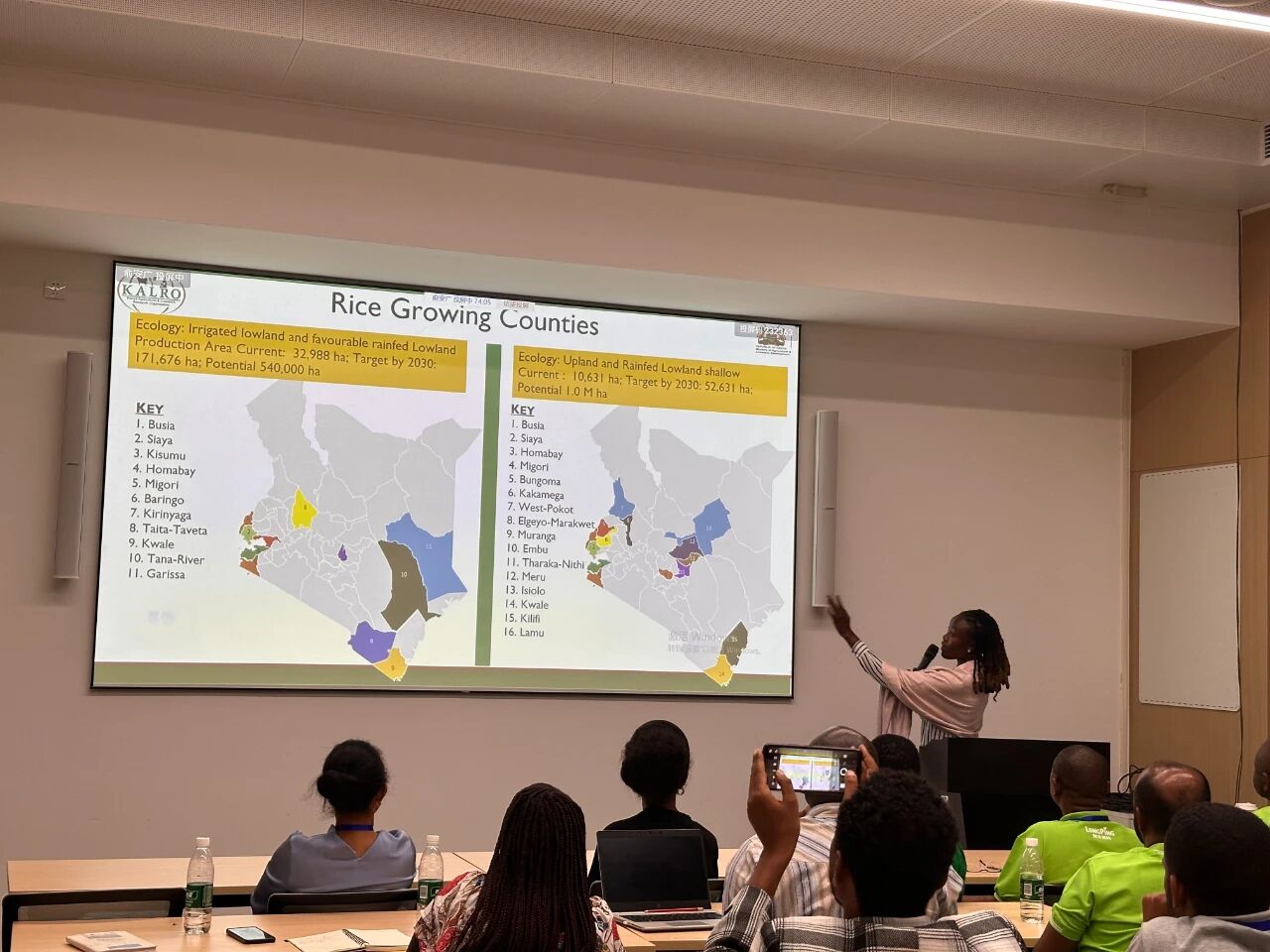
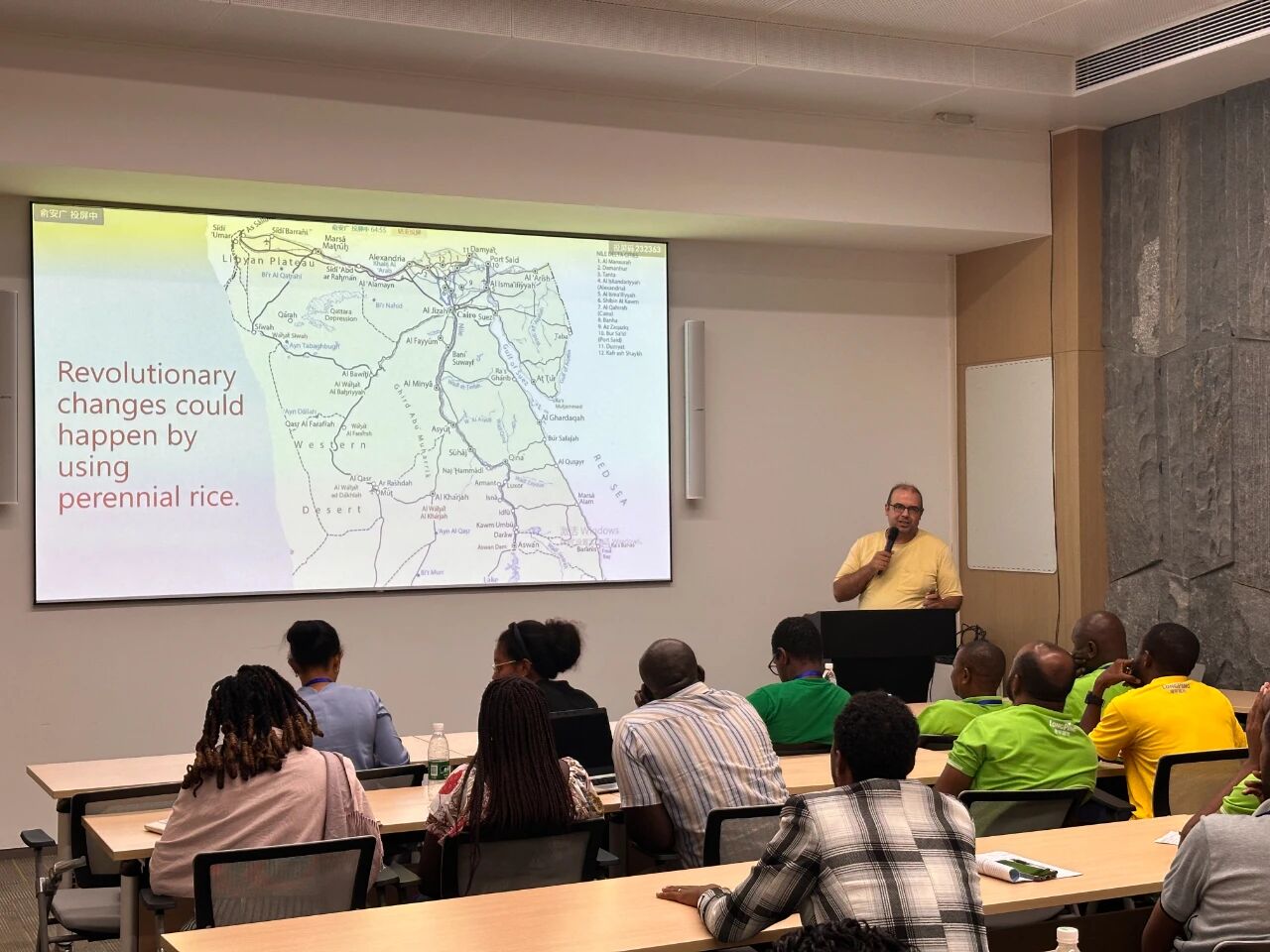
During the training, participants were grouped by country to discuss the application prospects, localization challenges, and cooperation pathways for perennial rice technology in their respective countries.
Participants from Nigeria proposed a “lightweight and simplified cultivation” model for perennial rice based on population pressure and agricultural economic structures. Ethiopian representatives focused on high-altitude agro-ecosystems and suggested utilizing local wild rice genetic resources combined with BGI’s genomic technologies to breed more stress-resilient perennial rice varieties. The Kenyan team plans to collaborate with the Kenya Agricultural and Livestock Research Organization (KALRO) to conduct field trials and expand grassroots demonstrations. Egyptian experts, noting that saline-alkali land accounts for 35% of North Africa’s arable land, emphasized the need for customized salt-tolerant microbial inoculants and water-saving perennial rice varieties. All participants agreed that strengthening joint research between Chinese and African institutions and establishing long-term technical support mechanisms are critical to successful technology deployment.
Conclusion
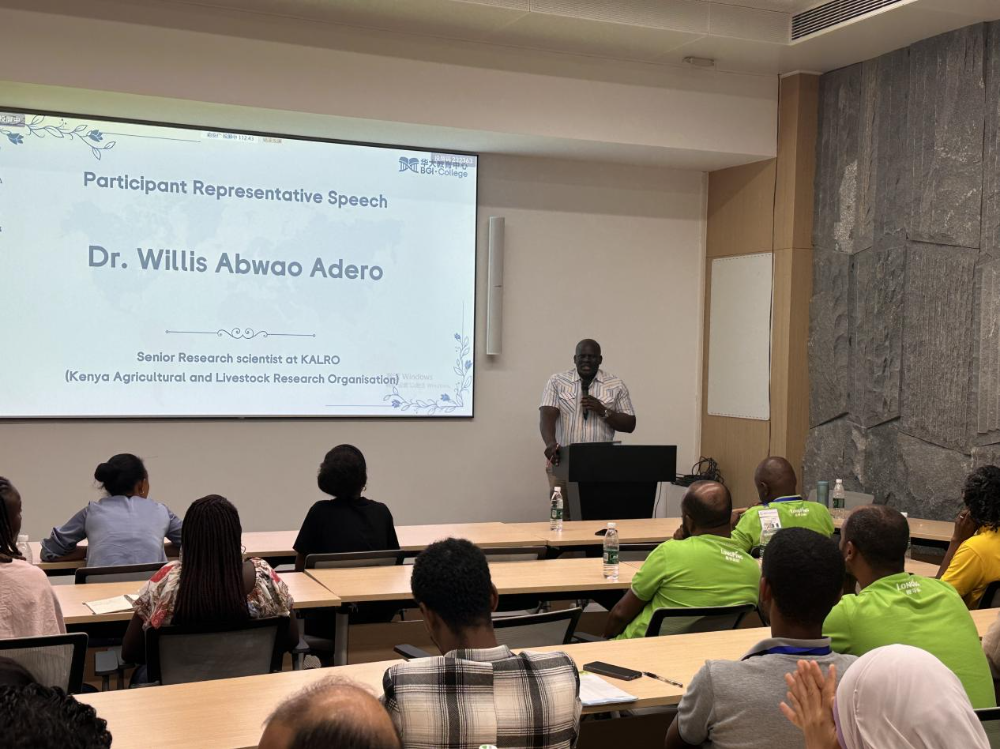
Dr. Willis Abwao Adero, a senior researcher at the Kenya Agricultural and Livestock Research Organization (KALRO), is dedicated to addressing food security through agricultural technologies. After gaining an in-depth understanding of the water-saving and high-yield advantages of perennial rice, as well as China’s innovations in omics technologies and gene sequencing, he noted: “Breaking through Africa’s food security challenges requires full-chain technological innovation—from gene sequencing to field management. BGI’s perennial rice technology is a prime example.”
He added that upon returning home, he plans to promote China–Kenya cooperation by first conducting field trials within research institutions and then gradually expanding the technology’s adoption, ultimately achieving rice self-sufficiency in Kenya and across Africa.
From gene sequencing to field practice, the green wave of perennial rice is sweeping across Africa, building a bridge for China–Africa agricultural cooperation. As Chinese technology integrates deeply with African ecosystems, this cross-continental agricultural transformation—based on a sustainable “one planting, multiple harvests” model—is reshaping Africa’s granaries.
Looking ahead, BGI will continue to actively build international agricultural science and technology exchange platforms, ensuring that every rice ear becomes a measure of poverty reduction and that the green tide of technology-driven rice cultivation reaches even broader African landscapes.