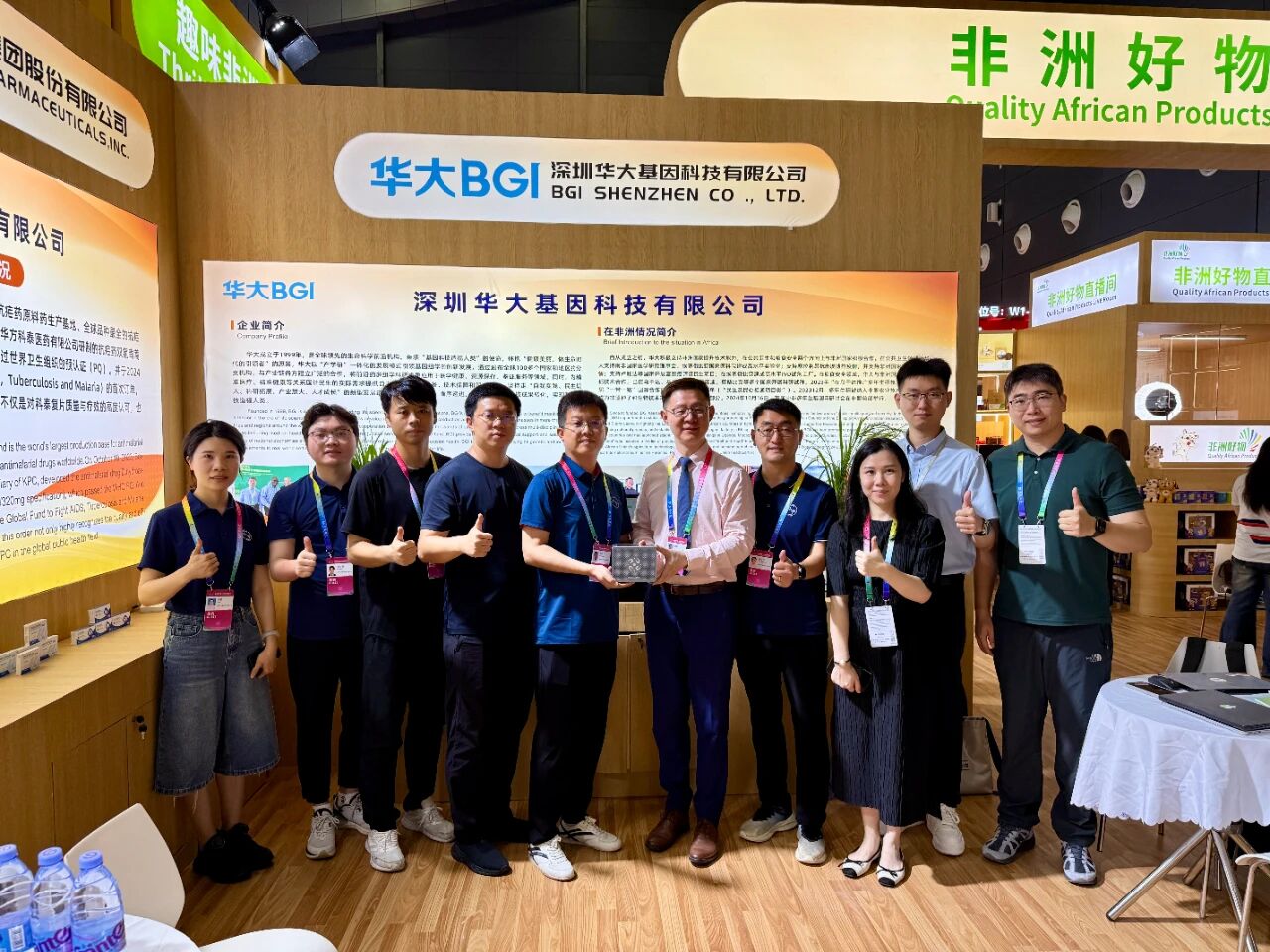
Technology Empowering China–Africa Cooperation: BGI Bioverse Showcases at the 4th China–Africa Economic and Trade Expo
Source:BGI Bioverse View count:80013
On June 12, the 4th China–Africa Economic and Trade Expo (hereinafter referred to as the Expo) grandly opened in Changsha, Hunan Province. As an active practitioner of the Belt and Road Initiative, BGI Group showcased its innovative achievements and sense of responsibility in advancing China–Africa cooperation on public health and food security. Among them, BGI Bioverse, BGI Group’s smart and inclusive agriculture initiative, highlighted its outstanding progress in promoting African agricultural modernization through Chinese technology, including perennial rice and Ethiopian coffee.
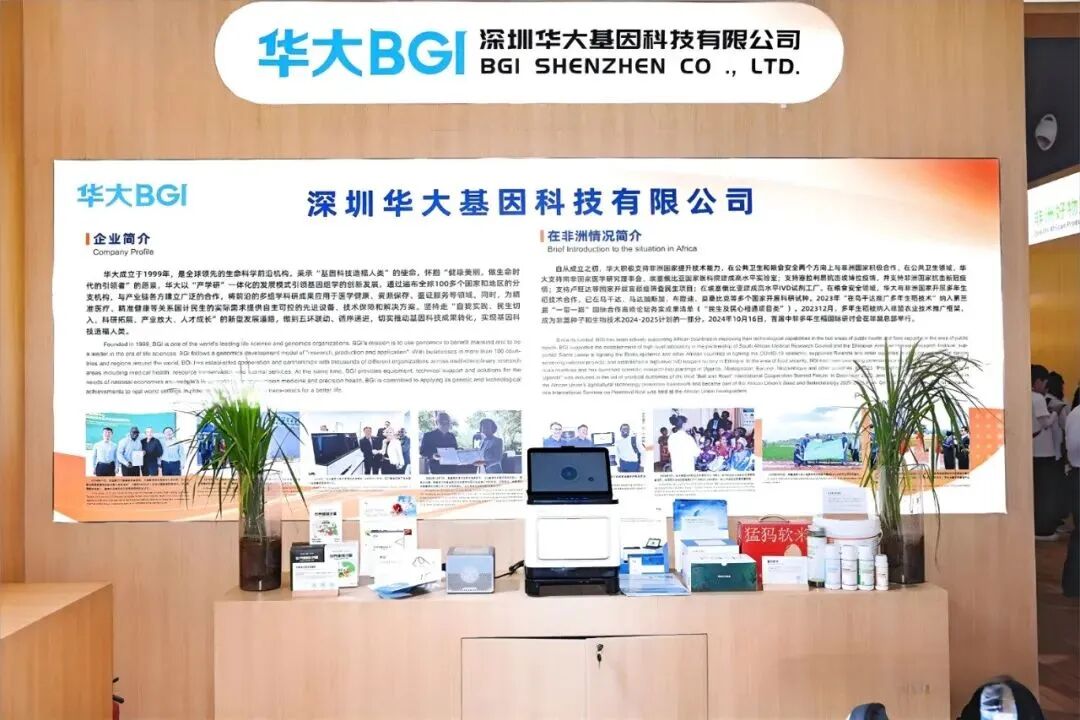
Scientific and Technological Innovation Driving China–Africa Agricultural Cooperation
At the exhibition booth, perennial rice independently developed by Chinese scientists drew widespread attention. As the world’s first FAO-certified commercially viable perennial grain crop, it stands as a vivid example of technology benefiting people under the Belt and Road Initiative. Recently, at the Ministerial Coordinators’ Meeting on the Implementation of the Outcomes of the Forum on China–Africa Cooperation (FOCAC) held in Hunan, perennial rice was successfully included in the List of Deliverables of the FOCAC Beijing Summit. The China–Africa Perennial Rice Technology Cooperation Center will serve as a key hub for research and training on perennial rice in Africa, playing an important role in enhancing local food security, nutrition, and farmers’ income.
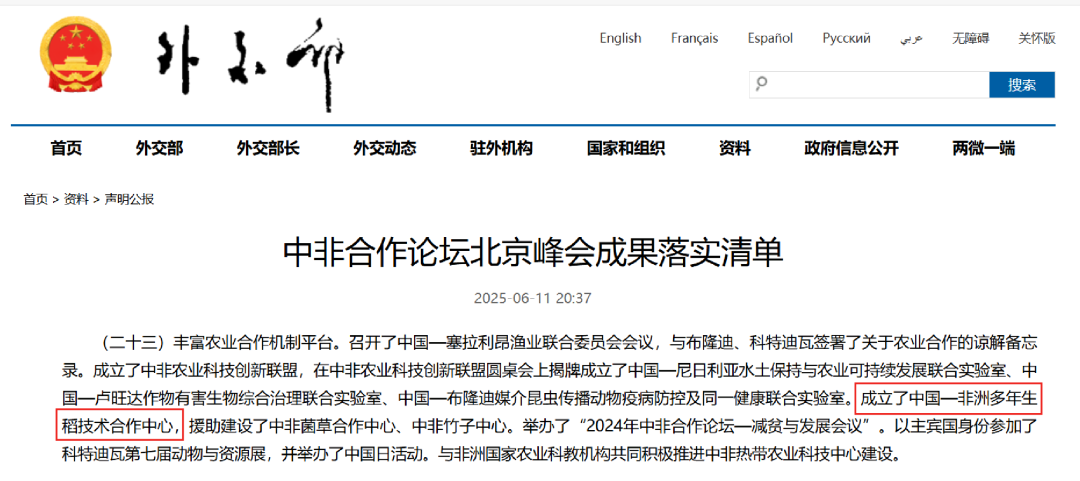
(Released on June 11, 2025: List of Deliverables of the FOCAC Beijing Summit)
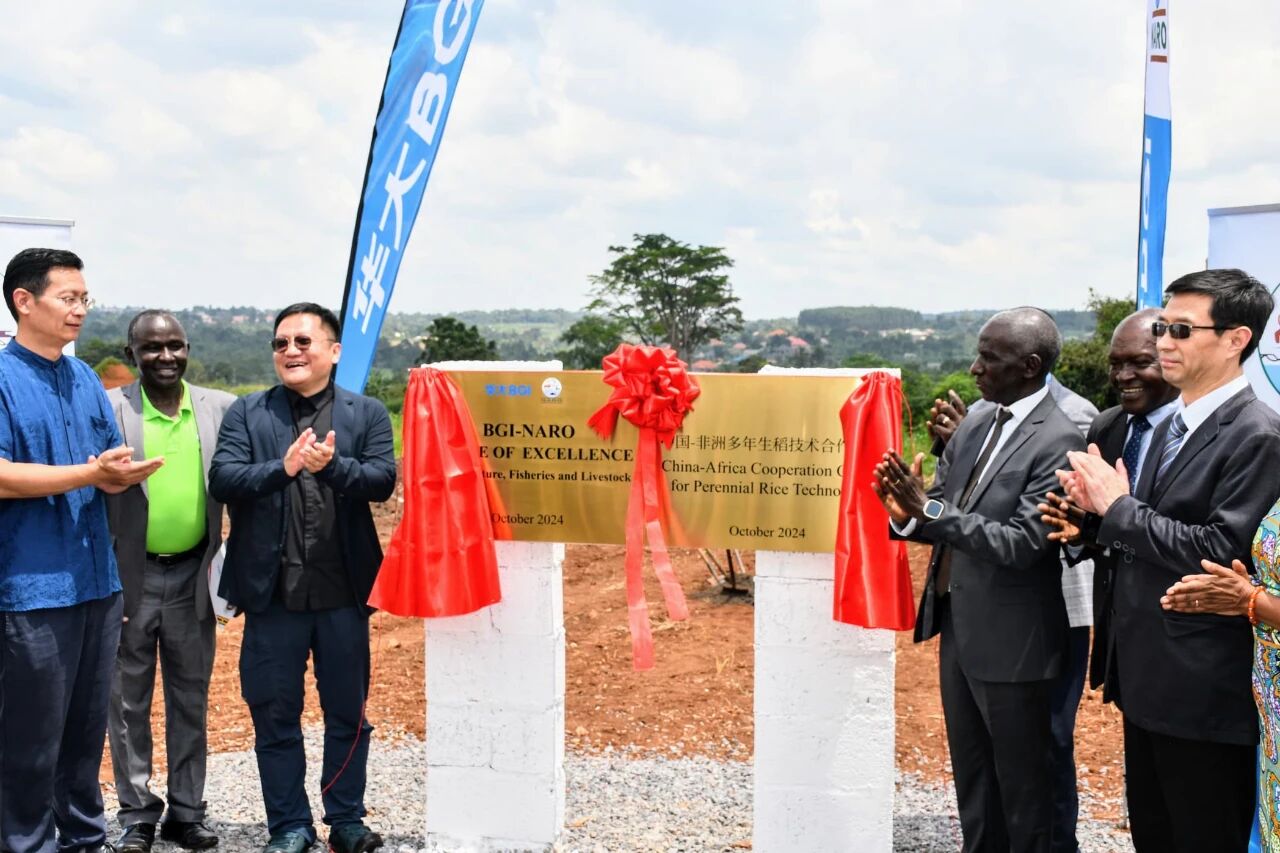
(On October 22, 2024, the China–Africa Perennial Rice Technology Cooperation Center was officially inaugurated)
Perennial rice is developed through distant hybridization between African long-awn wild rice and Asian cultivated rice, achieving an agricultural breakthrough of “one planting, multiple harvests.” It reduces certain steps in traditional rice cultivation and promotes a shift toward resource-efficient and environmentally friendly rice production.
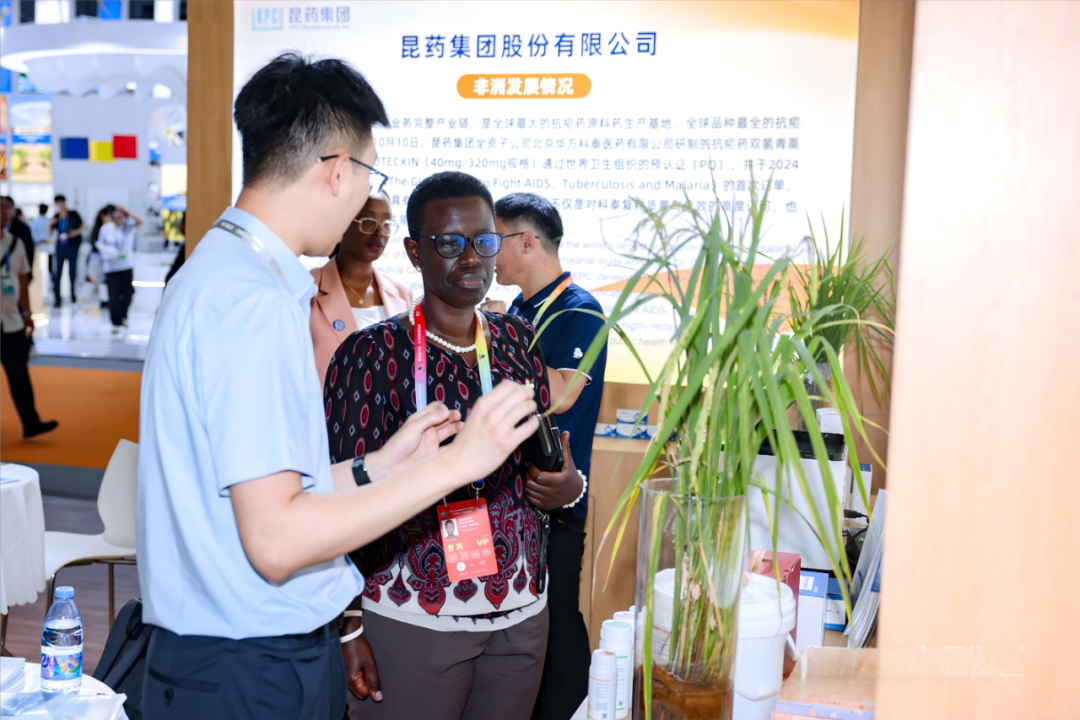
At present, this innovative technology has taken root in several African countries, including Uganda, Burundi, Mozambique, and Madagascar. It has not only become a Chinese solution for securing food through technology and enriching farmers through innovation, but also an important bridge for trade cooperation and talent cultivation, demonstrating China’s technological strength and sense of responsibility in sustainable agriculture.
Technology Empowering the Upgrading of Africa’s Specialty Industries
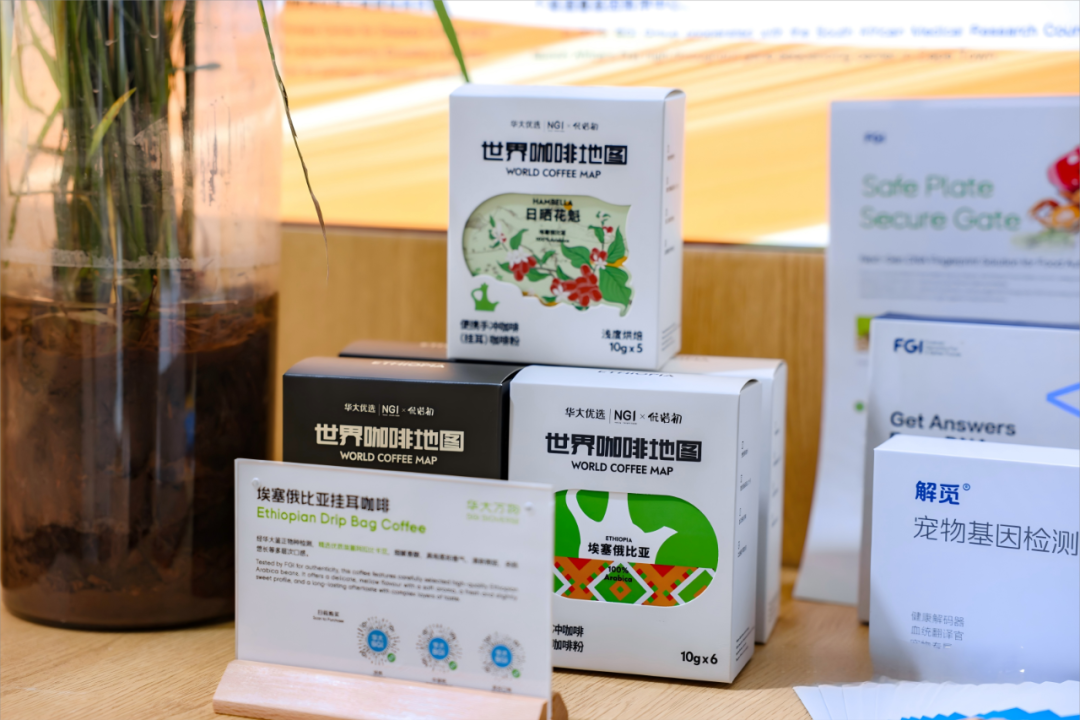
Premium drip coffee sourced from Ethiopia’s golden coffee-growing regions is another innovative achievement of BGI under its “Technology + Trade” model. Leveraging its proprietary precision sequencing technology, BGI has created a unique “species ID card” for Ethiopian coffee and established a traceability system. This innovative practice fully leverages origin advantages, enhances the added value of African specialty agricultural products, and promotes industrial upgrading, while also offering Chinese consumers higher-quality product choices. With the rapid growth of China’s coffee consumption market, this trade chain “from African farms to Chinese tables” is set to become a new highlight of China–Africa friendly cooperation.
Moving Forward Together to Create a Shared Future
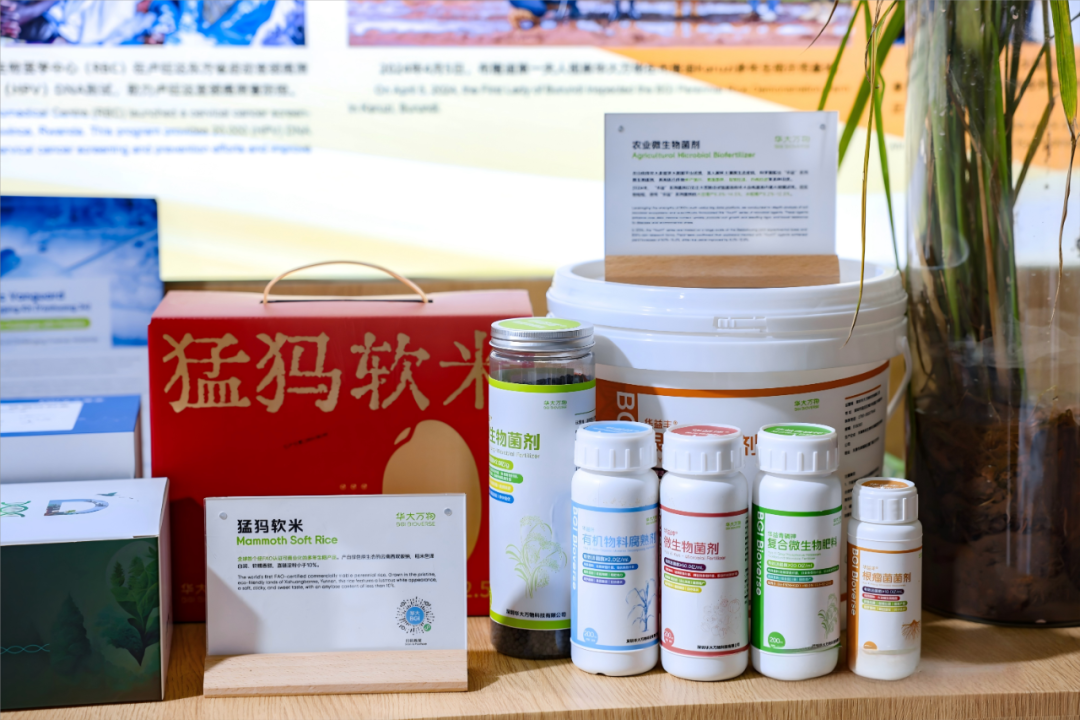
In addition to perennial rice and coffee, BGI also showcased a range of innovative products at the Expo, including microbial agents, Mammoth soft rice, the CycloneSEQ-WT02 nanopore gene sequencer, and animal species identification kits. These achievements vividly illustrate the breadth and depth of China–Africa cooperation under the Belt and Road framework. From technical assistance to industrial empowerment, and from food security to comprehensive development, BGI is actively putting into practice the vision of a community with a shared future for mankind.
On the new journey of China–Africa cooperation, BGI will continue to closely integrate Chinese innovations with Africa’s development needs through technological collaboration, industrial cooperation, and talent development, injecting sustained momentum into China–Africa economic and trade cooperation and jointly opening up new opportunities in the global agricultural market.