
Experiments Conducted on the “Roof of the World”
Source:BGI Bioverse View count:87643
01 | Arising from “Desertification”
When the Qinghai–Tibet Plateau is mentioned, what comes to mind?
“The Roof of the World,” “the Third Pole of the Earth,” cold, hypoxia?
Yet what you may not know is that this plateau, with an average elevation of 4,000 meters, is facing a severe challenge of desertification.
The Tibet Autonomous Region covers an area of 1.22 million square kilometers. Located on the southwestern frontier of China, it forms the core area of the Qinghai–Tibet Plateau. As a vital national ecological security barrier, it bears the important responsibility of maintaining ecological balance on the plateau and preserving biodiversity.
According to the results of the Sixth National Survey on Desertification and Sandy Land, the area of desertified land in the Tibet Autonomous Region amounts to 20.9612 million hectares, a decrease of 622,500 hectares compared with the previous period. This accounts for approximately 17.4% of the region’s total land area, ranking third nationwide [1].
Like invisible invaders, desertified lands are widely distributed across various natural zones, including intermontane basins, river valleys, lake basins, and alluvial–proluvial plains at mountain fronts. They are particularly concentrated in the central and western parts of the Northern Tibetan Plateau, the western Ali Plateau, the Yarlung Zangbo River Valley, and the middle reaches of the Pengqu River Valley [2]. Unlike sandy lands in other regions, desertified land in Tibet is characterized by a large total area, wide distribution, and distinct plateau attributes such as low temperatures, high altitude, and arid conditions.
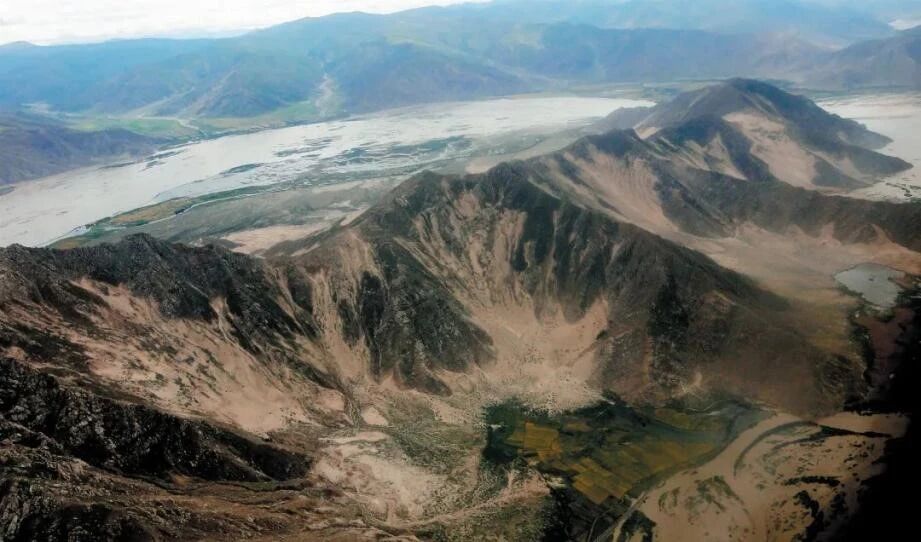
Desertified land in the Yarlung Zangbo River Valley of Tibet and typical climbing dunes [2]
As the source region of China’s major rivers and a key water conservation area, the Qinghai–Tibet Plateau has seen a slowdown in the trend of desertification in recent years. However, the problem has not been fully contained. Existing desertified land continues to severely impact the local ecosystem, and the task of combating desertification remains arduous.
02 | When “Sand Film” Technology Meets the Qinghai–Tibet Plateau
Across China, numerous researchers are dedicated to the study of desertification control. As one of these contributors, BGI has leveraged its interdisciplinary and innovative “sand film” technology to conduct trials in multiple desert regions, achieving remarkable results.
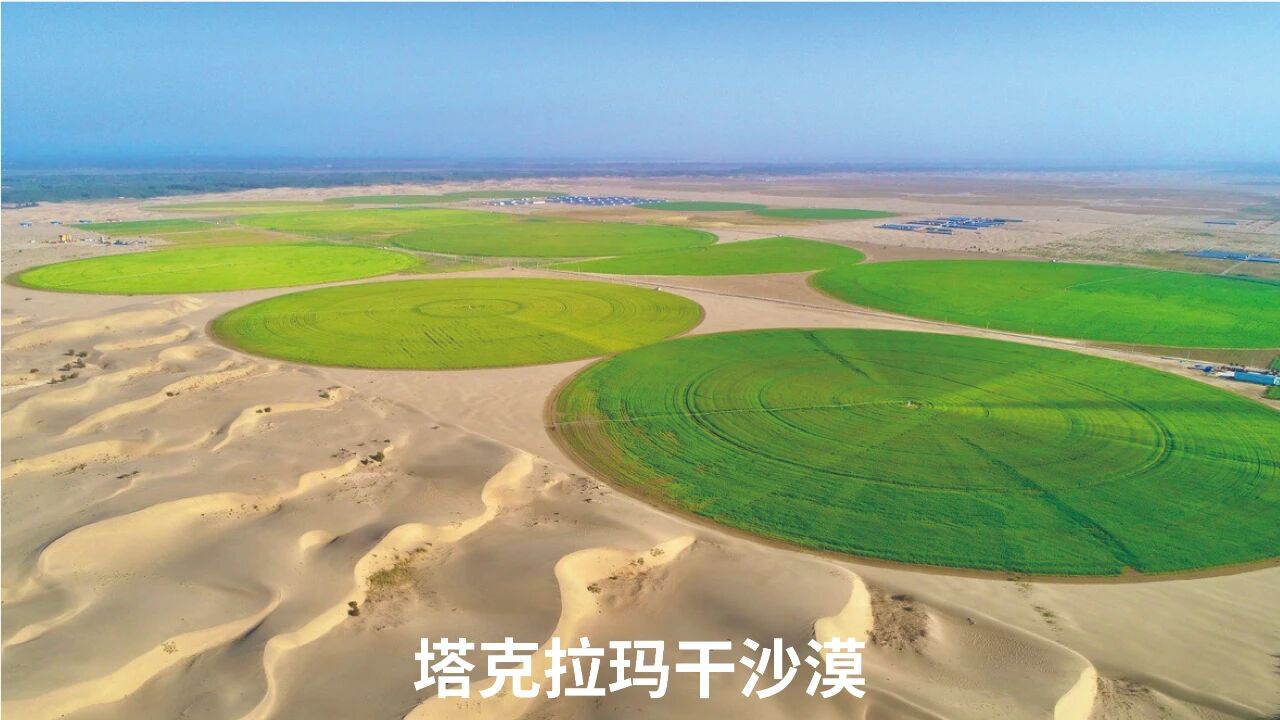
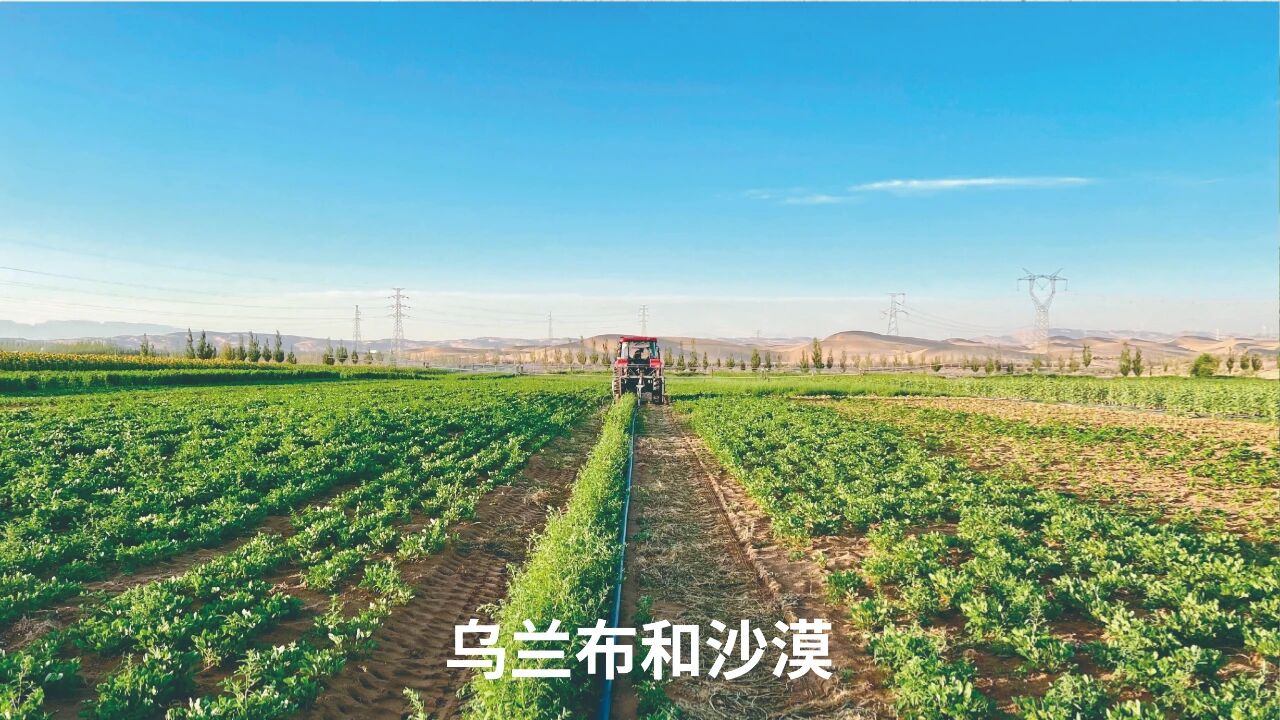
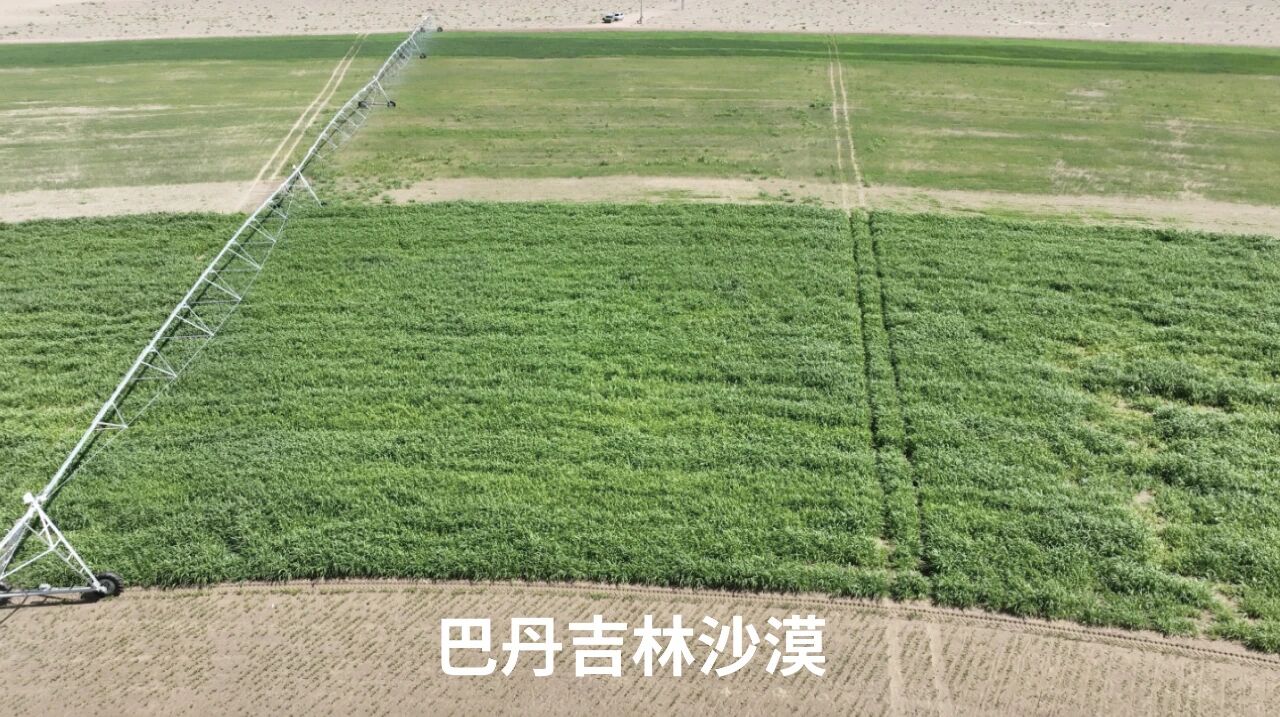
Photos showing the effects of BGI’s desert transformation demonstration bases
When “sand film” technology was applied to the land of the Qinghai–Tibet Plateau—known as the “Third Pole of the Earth”—it entered an entirely new field of challenges. In the Tibet Autonomous Region, the unique geography and climate give rise to distinctive plateau conditions, including low temperatures, aridity, and intense ultraviolet radiation, all of which pose severe challenges to crop survival.
In 2023, with strong support from the Qushui County government, BGI launched a desertified land improvement experiment on a stretch of river valley sandy land along the Yarlung Zangbo River in Chabalang Township, Qushui County, Lhasa City, at an altitude of approximately 3,650 meters.
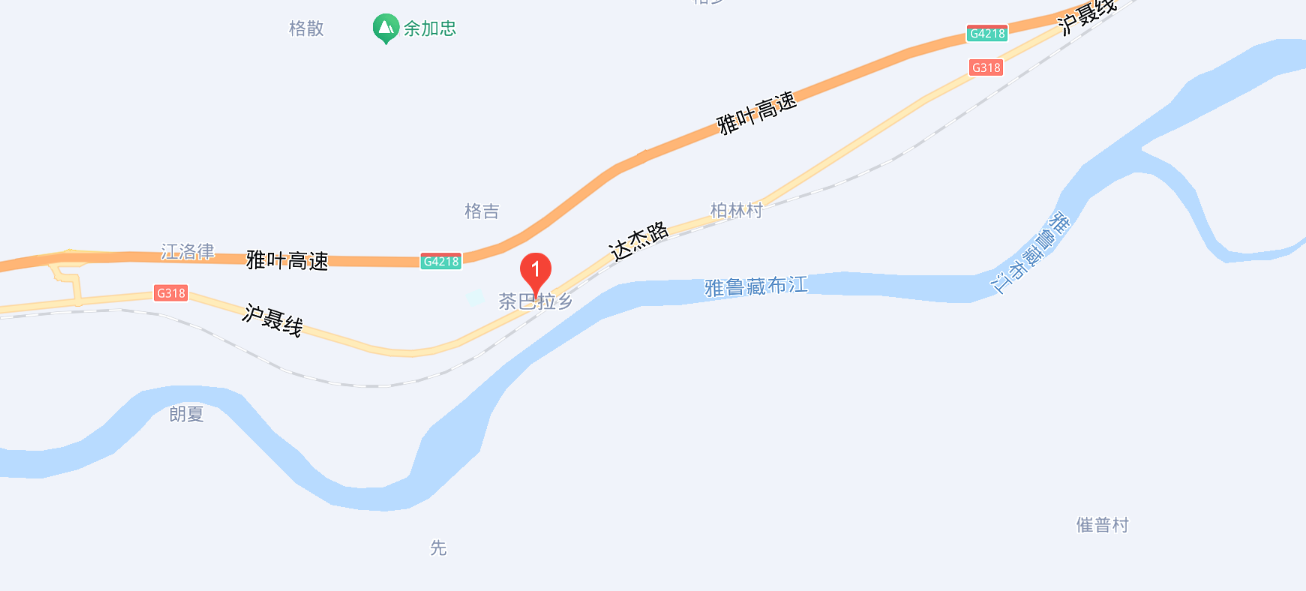
BGI experimental base in Qushui County, Lhasa, Tibet Autonomous Region
The pilot project began in June 2023, transforming 2 mu of sandy land and trial-planting 15 crops, including maize and sorghum, with preliminary success.
In 2024, to further verify the stability and scalability of the technology, the transformed area was expanded to 100 mu, with 22 crops such as radish and rapeseed planted.
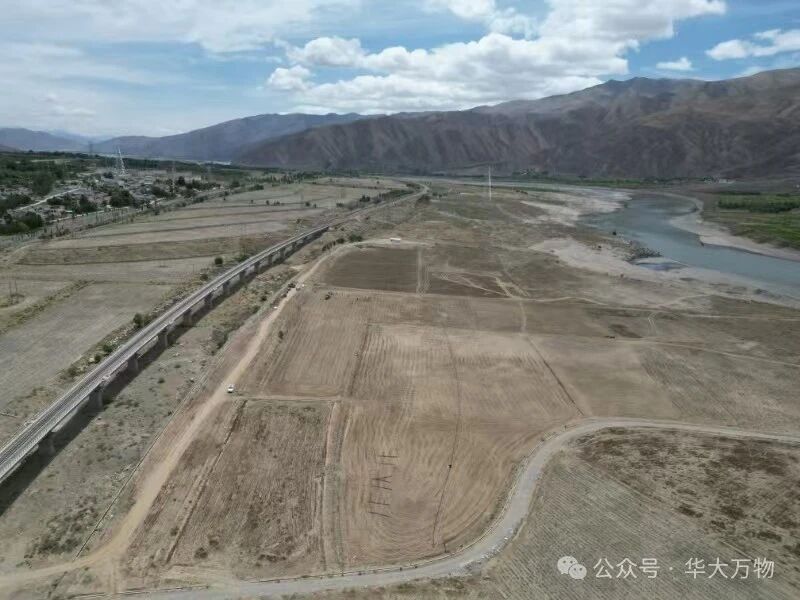
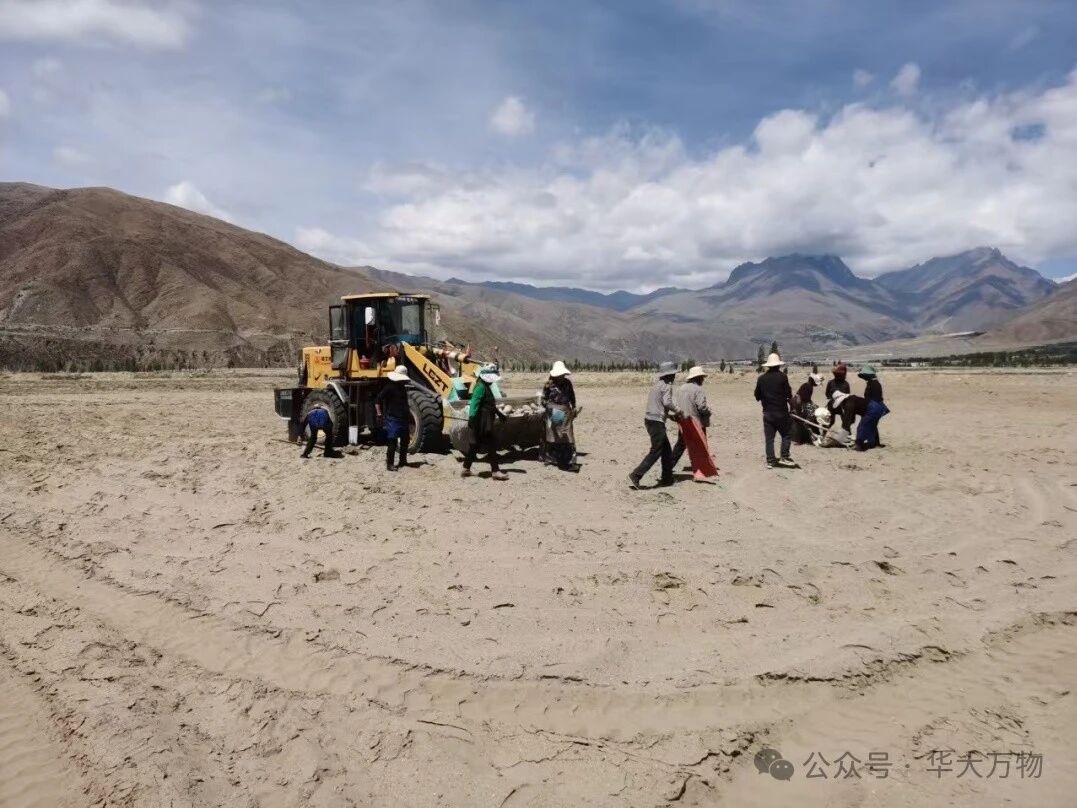
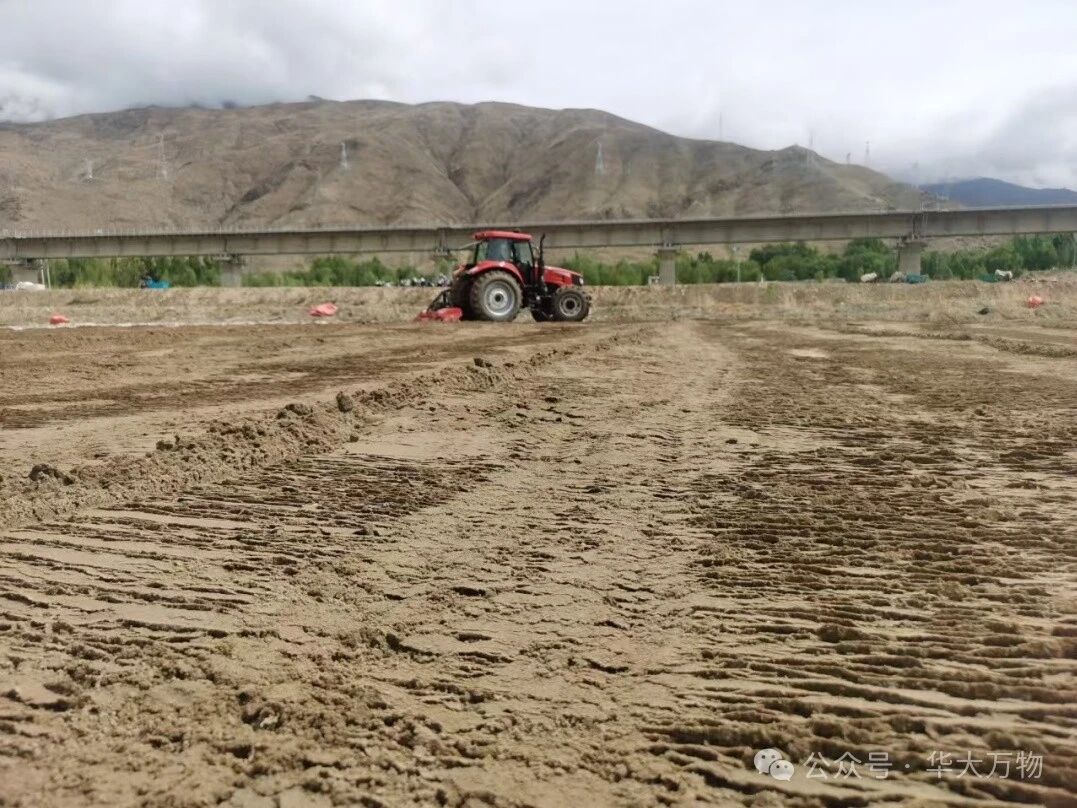
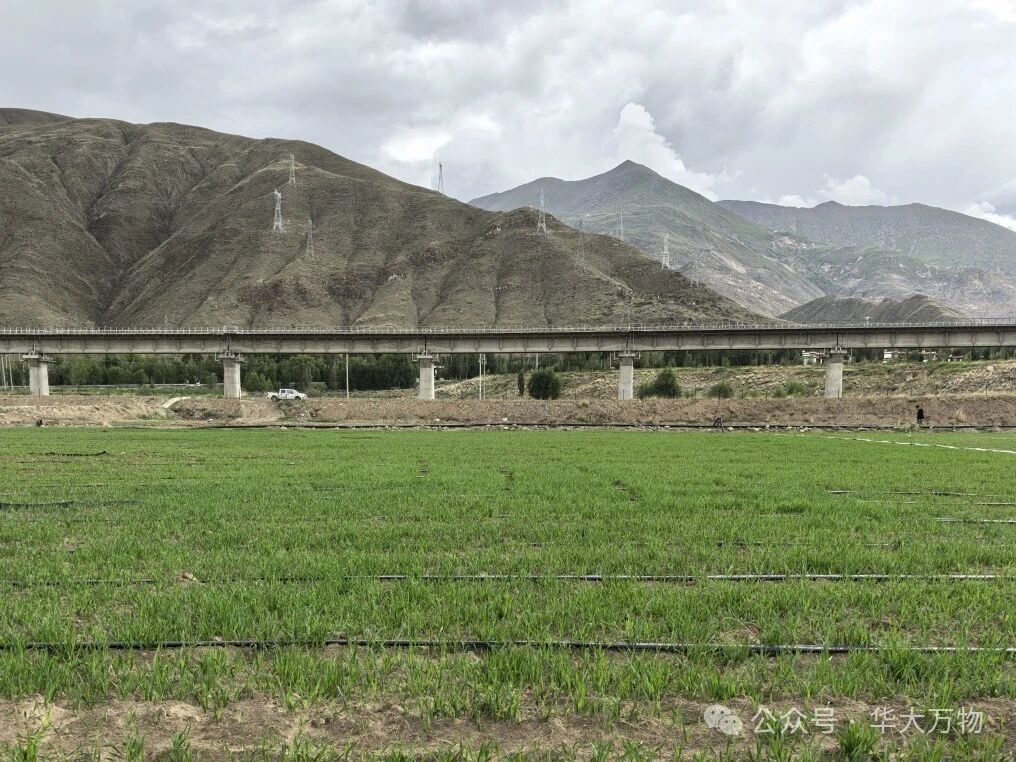
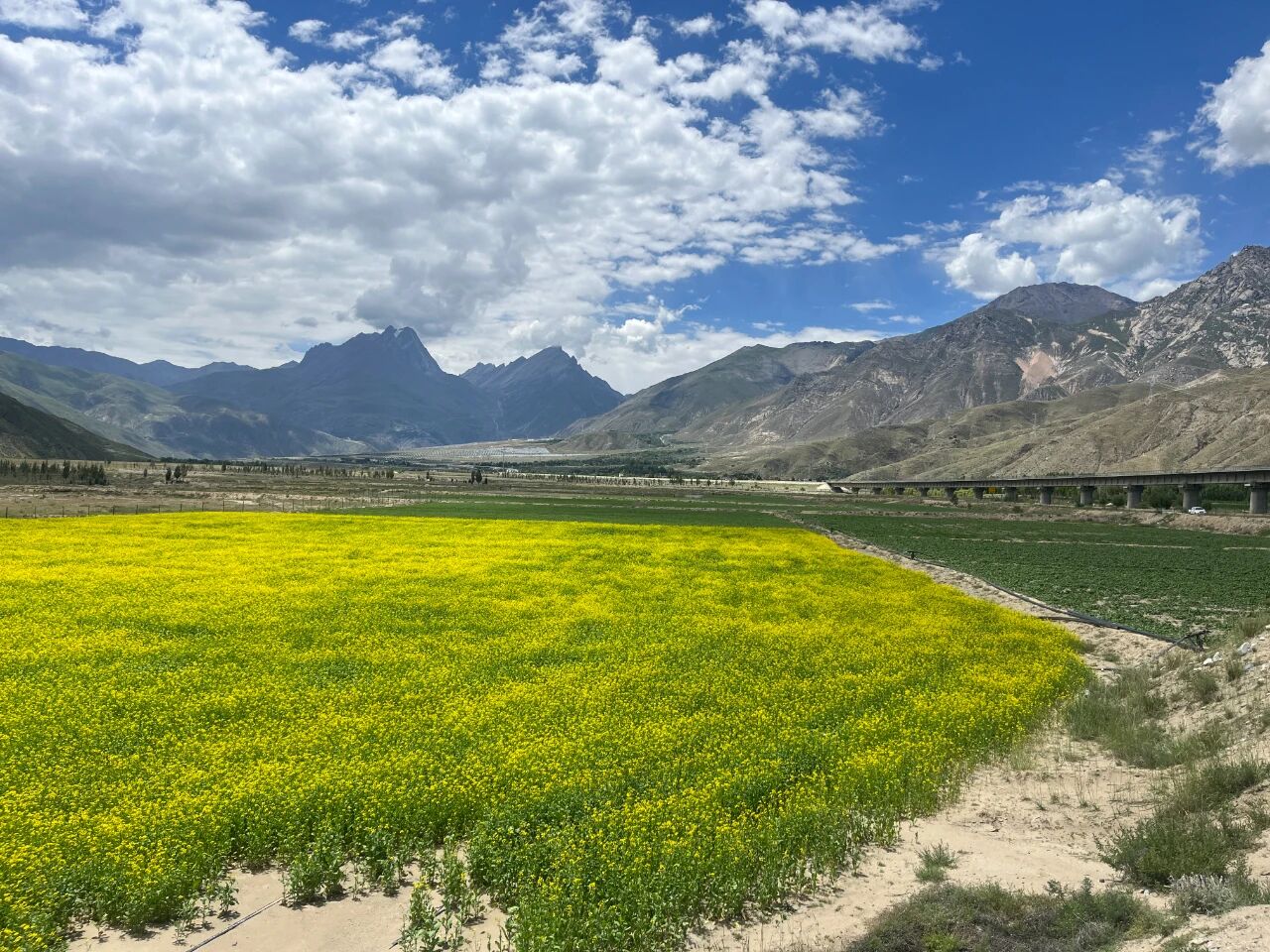
At present, crops at the base are growing well, and the overall transformation effect is significant, demonstrating that “sand film” technology can play a role in ecological restoration of desertified land in high-altitude regions of Tibet.
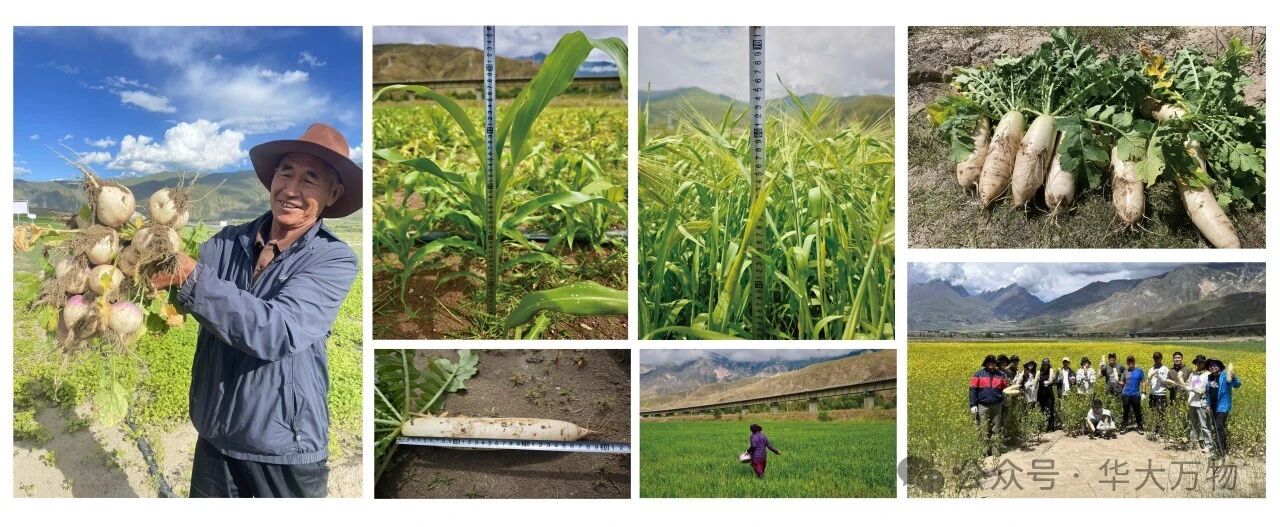
Crop growth results
How to skillfully apply “sand film” technology while respecting the natural laws of the plateau—so that this land can nurture more crops and retain soil and water more effectively—remains a key direction for our continued exploration.
03 | The Continuation of the “Summit-Seeking and Extreme-Exploring” Spirit
The sandy land improvement experiment along the Yarlung Zangbo River is not only a technological challenge, but also a profound exercise in understanding and respecting nature, as well as a continuation of a shared spirit.
At BGI, “summit-seeking and extreme-exploring” is a value ingrained in its very DNA and a guiding principle for scientific research. As early as 2010, BGI Group Chairman and Co-founder Wang Jian led a team to summit Mount Everest via the south route. That same year, BGI researchers revealed key insights into human adaptation to high-altitude environments. Fourteen years later, on May 21, 2024, Wang Jian once again led a team to the summit with the goal of scientific exploration, aiming to generate pioneering, multi-dimensional, and multi-omics datasets from high-altitude environments, opening new perspectives and inspiration for the future of science and industry.
This spirit of “daring to climb” has deeply influenced BGI and continues to inspire its persistent pursuit of “higher” and “harder” challenges in the field of agriculture. The BGI spirit of “summit-seeking and extreme-exploring” lives on in the practice of high-altitude sandy land improvement.
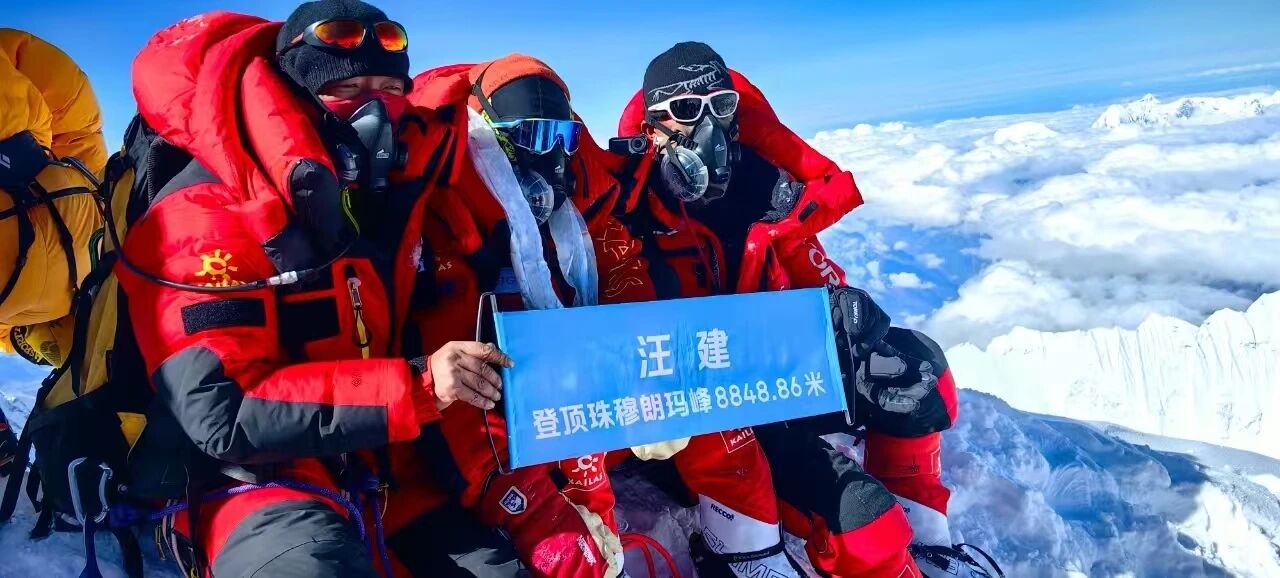
Exploring extremes through technology. BGI’s desertified land improvement experiments in the Tibet Autonomous Region represent a practice of ecological restoration tailored to local conditions. This is an exploration of harmonious coexistence with nature and a commitment to sustainable development. “Summit-seeking and extreme-exploring” not only signifies the conquest of physical peaks, but also symbolizes the courage and determination to continuously explore the unknown across all fields of scientific research.
[1] Data source: WeChat public account “林家那些事儿”
[2] Yang Ping, Wei Xinghu, Dong Yuxiang, et al. Research progress on desertification in Tibet and future strategies for combating desertification [J]. Bulletin of the Chinese Academy of Sciences, 2020, 35(06): 699–708.