



In November, Shenzhen will be the host city for the 33rd APEC Economic Leaders’ Meeting focused on the theme, "Building an Asia-Pacific Community, Promoting Common Prosperity." With 21 member economies from across the broader Asia Pacific region ranging from Australia to Chile and China to the U.S., the Asia-Pacific Economic Cooperation (APEC) forum was established in 1989 as a regional economic forum and today represents over 50% of global GDP and approximately 40% (2.7 billion) of the world's population.
Since its inception, APEC has served as a platform for promoting economic cooperation, trade and shared prosperity across the region as well as a platform for dialogue and collaboration to address common challenges. Some of those challenges, such as disease management and prevention, public health, humanitarian crises, and food security are areas where BGI Group has collaborated closely with APEC countries to bring innovative genomic solutions that contribute to the collective growth of Asia Pacific and improve the health and livelihood of APEC communities.
Addressing Regional Health Challenges
To address critical regional health challenges, BGI Group has worked with partners to co-initiate the Southeast Asian Alliance for the Prevention and Treatment of Thalassemia (SEATPA). This cross-border, multi-disciplinary network is dedicated to combating thalassemia - a major public health concern in Southeast Asia.
Beyond thalassemia, BGI leverages its genomic expertise to help strengthen the surveillance and control of emerging infectious diseases and early detection of colorectal cancer, and genetic testing for reproductive health and hereditary breast and ovarian cancers, translating advanced technology into practical local health capacity.
Similar partnerships in APEC member economies, including Chile, Mexico, Australia, Singapore, Japan and South Korea, continue to drive breakthroughs in key areas such as reproductive health and oncology.
 Southeast Asian Alliance for the Prevention and Treatment of Thalassemia (SEATPA) was officially launched in Chiang Mai, Thailand, on November 24, 2025.
Building Regional Talent
Drawing on its experience in leading major scientific endeavors, BGI Group is helping to nurture next-generation scientists through specialized workshops and joint academic programs.
For example, BGI Group has held multiple Workshops of Biomedical and Genomics Science of Indonesia. These programs deliver comprehensive theoretical and practical training in genomics to Indonesia’s Ministry of Health, leading hospitals, and academic institutions. By building this collaborative platform, BGI has helped train more than 100 local experts in the field of life science and healthcare.
 BGI Group Co-founder and Chairman Wang Jian (seated front row, first from right) with participants of the 4th Workshop of Biomedical and Genomics Science of Indonesia, May 2025.
BGI Group further strengthens regional ties through strategic partnerships with prestigious institutions, including Thailand’s Chulalongkorn and Mahidol Universities, the University of Indonesia, and the University of Tokyo. These collaborations center on joint research initiatives designed to nurture high-level experts in life sciences.
Unlocking the Inclusive Value of Technology
In agriculture, BGI collaborates with APEC member economies on technology-driven innovation to improve productivity and sustainability. Projects include rice breeding and perennial rice trials in Thailand and Malaysia to strengthen local food security.
BGI Genomics, a subsidiary of BGI Group, is enhancing public health in APEC countries by delivering its non-invasive prenatal testing and cervical cancer screening solutions to nations such as Thailand, Brunei, Peru, and Mexico. Additionally, BGI Genomics collaborates with a Chilean partner to pioneer the application of circulating tumor DNA (ctDNA) testing technology to complete the local high-throughput pan-cancer liquid biopsy skill set. This technology is now being used in clinical settings.
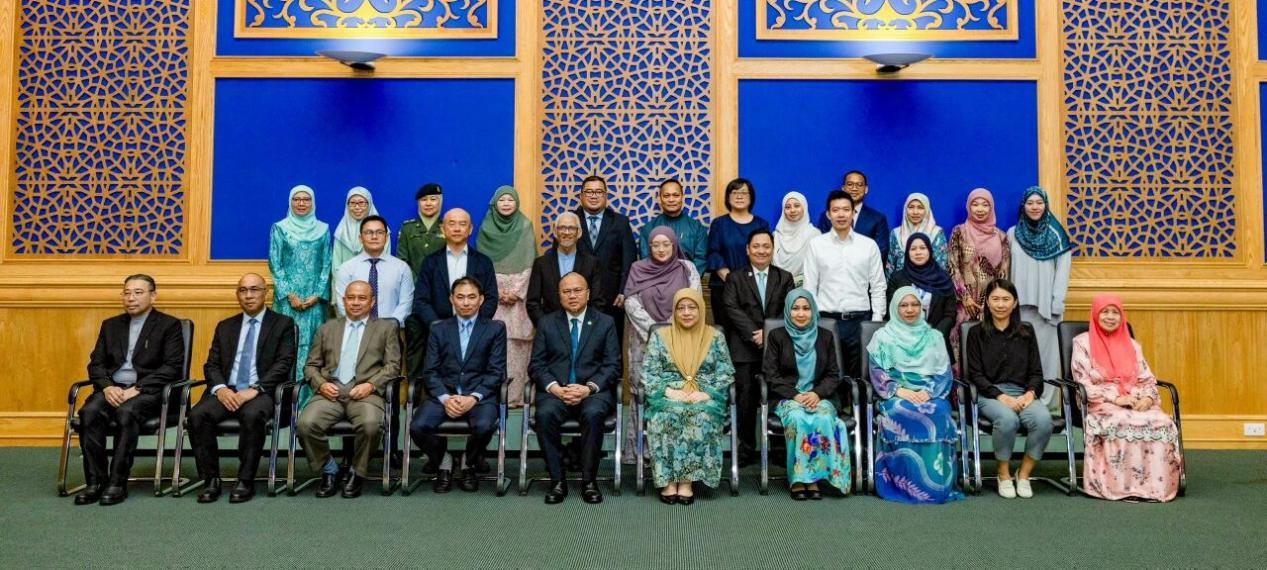 Launch event for Brunei’s National Cervical Cancer Prevention and Control Program, co-organized by the Ministry of Health and Borneo Genomics Innovation (BGIB), a joint venture of BGI Genomics in Brunei, January 2025.
In addition, BGI has established regional hub laboratories that serve multiple neighboring countries. For example, BGI Genomics’ clinical molecular diagnostics laboratory in Uruguay is advancing preventive medicine across Latin America and utilizing advanced technology to facilitate early disease diagnosis.
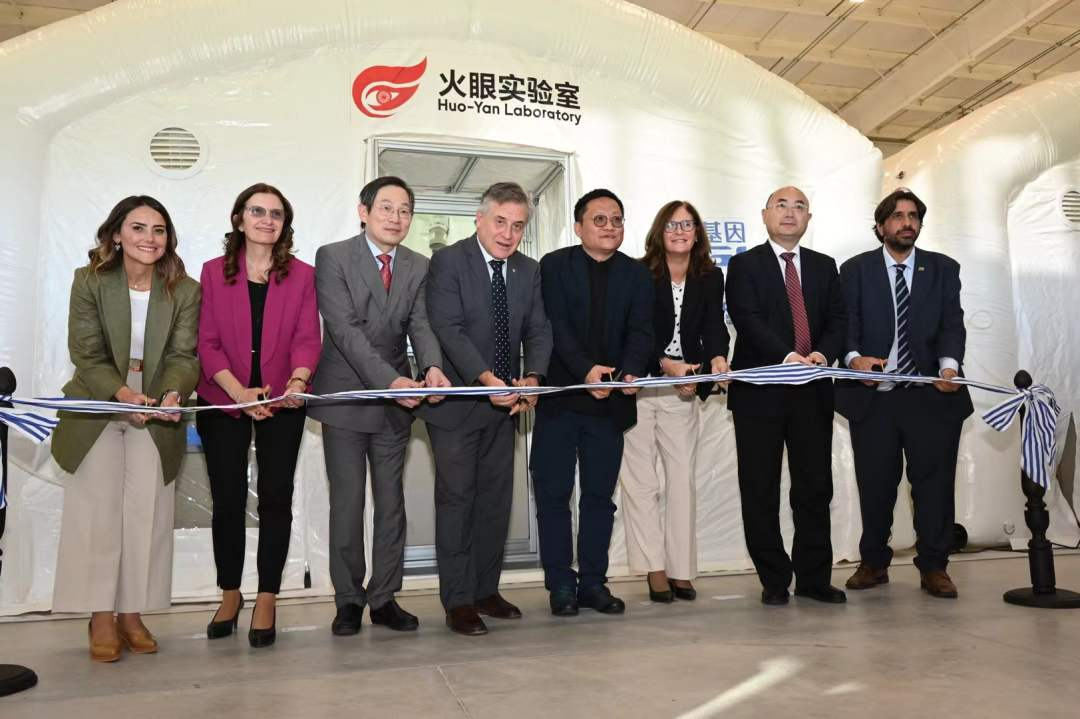 BGI Genomics’ Uruguay laboratory officially opened, April 2024.
BGI has also been there to support countries in times of need. From BGI providing DNA identification services in 2004 for victims of the Indian Ocean tsunami in Thailand, to helping nations tackle the COVID crisis through laboratory solutions and nucleic acid testing kits, BGI Group has been at the forefront of helping countries globally in times of health crises.
Our support is ongoing. BGI Group will continue to work with APEC members to advance preventive health, strengthen public health capacity and support sustainable, innovation-driven development by applying genomics in areas that matter and help improve the health and prosperity of countries globally.