



The HGP2 Rare Disease Alliance of the Asia-Pacific Region (HGP2 RaDiAnce–APAC), co-initiated by regional partners across APAC and the BGI Group under the framework of the Human Genome Project II (HGP2), was officially launched in Kuala Lumpur on May 10.
HGP2 RaDiAnce-APAC is designed to strengthen regional collaboration on rare disease diagnosis, research in genomics, capacity building and public health response, while concurrently addressing persistent gaps in diagnostic capacity, uneven access to precision medicine, and fragmented standards and experience-sharing across Asia-Pacific.
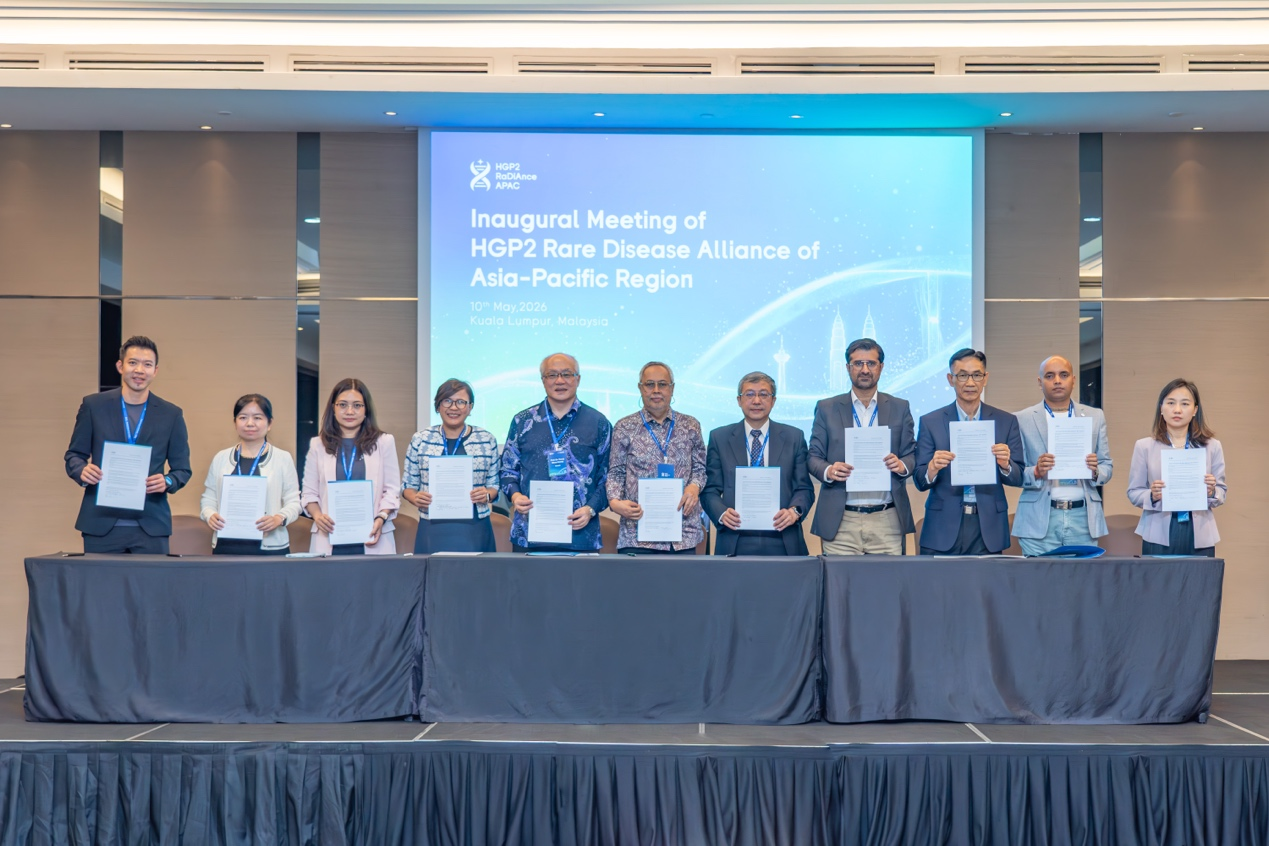 The HGP2 Rare Disease Alliance of the Asia-Pacific Region (HGP2 RaDiAnce-APAC) was officially launched in Kuala Lumpur, Malaysia, on May 10, 2026. During the event, alliance members jointly signed the Joint Declaration of the HGP2 RaDiAnce-APAC Initiative, reaffirming their shared commitment to advancing regional collaboration in rare disease care across Asia-Pacific. (Credit: HGP2 RaDiAnce-APAC)
The inaugural launch meeting brought together clinical experts, researchers in genomics, and representatives from public health and policy sectors from 10 APAC countries: Malaysia, Vietnam, Thailand, Pakistan, Indonesia, Nepal, China, the Philippines, Cambodia, and India.
Participants included YBhg. Datuk Dr. Nor Fariza Binti Ngah, Deputy Director-General of Health (Research and Technical Support) at the Malaysian Ministry of Health, together with other experts and professionals. Discussions focused on strategies to improve rare disease prevention, diagnosis and care through clinical-genomic integration, multi-omics, artificial intelligence and broader public health coordination.
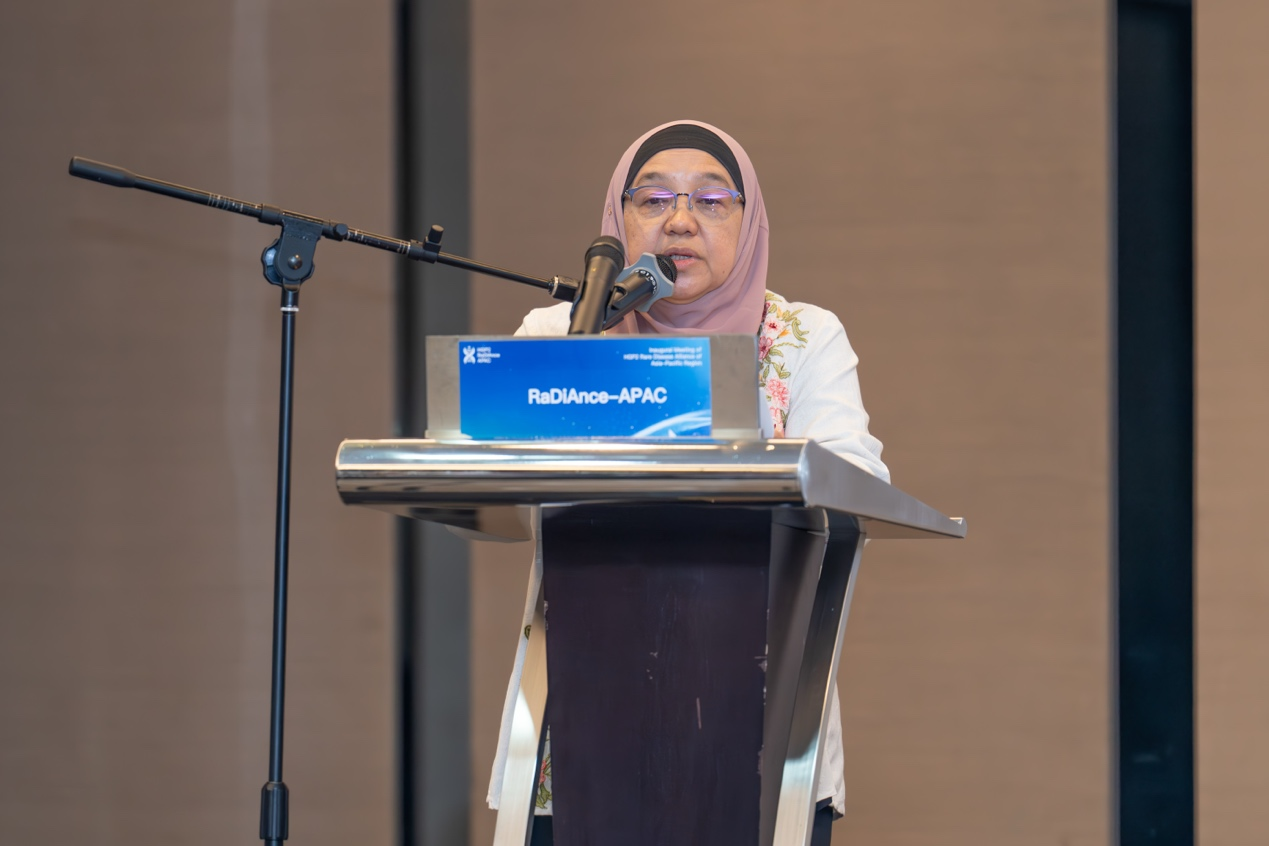 Deputy Director-General YBhg. Datuk Dr. Nor Fariza Binti Ngah delivers an opening speech. (Credit: HGP2 RaDiAnce-APAC)
YBhg. Datuk Dr. Nor Fariza Binti Ngah said, “Precision health is not a future ambition, but a present responsibility. In Malaysia, we are committed to moving from reactive care to predictive, preventive, and more personalized healthcare by integrating genomics, artificial intelligence, advanced technology, and strong policy frameworks into our health system.”
“Our goal is clear: to ensure earlier diagnosis, better intervention, and more equitable access to care so that no one is left behind in this transformation,” she added.
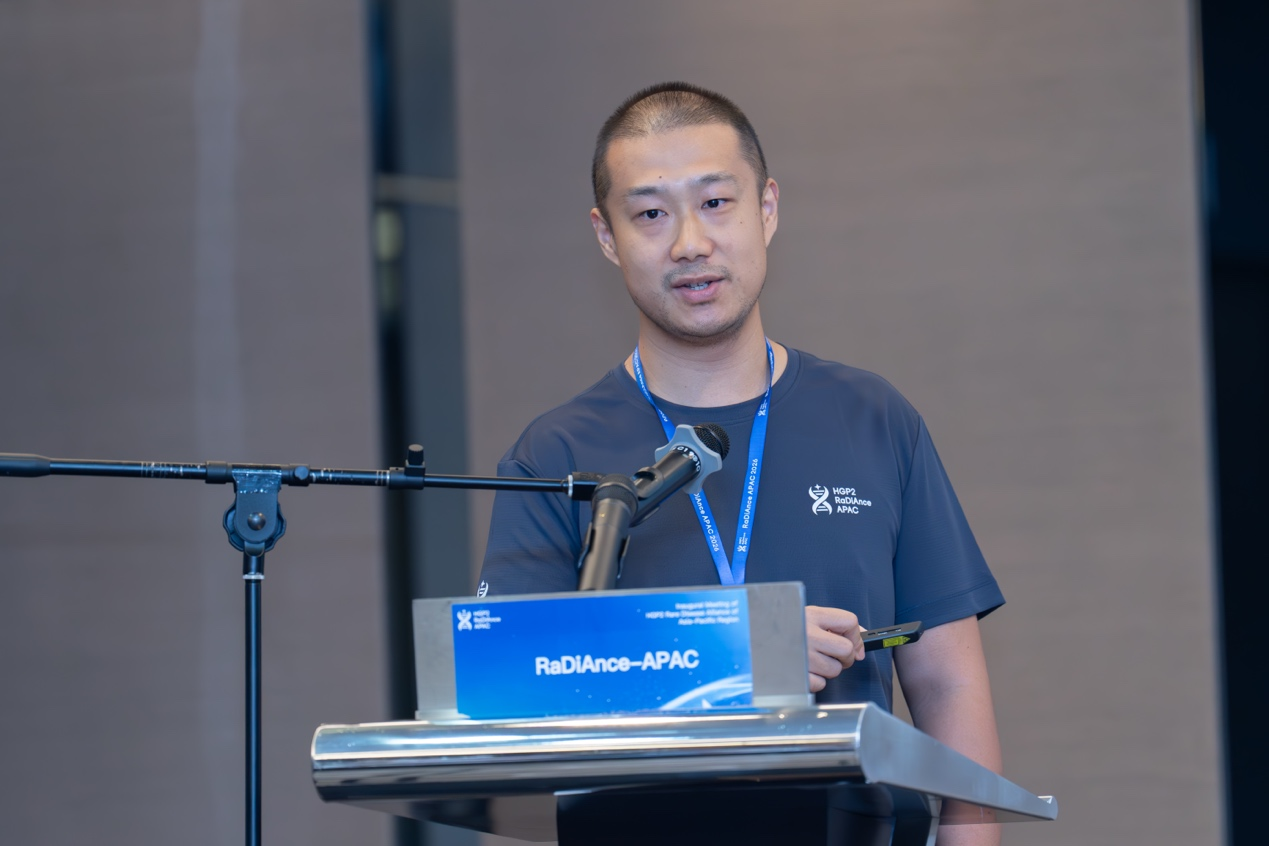 Dr. Hou Yong speaks at the ceremony. (Credit: HGP2 RaDiAnce-APAC)
Dr. Hou Yong, General Manager of BGI Genomics, a subsidiary of BGI Group, said, “HGP2 Radiance-APAC will advance the standardization, intelligent transformation, and equitable accessibility of rare disease diagnosis and treatment across the Asia-Pacific region, ensuring that no life is limited by disease and no distance stands in the way of compassion.”
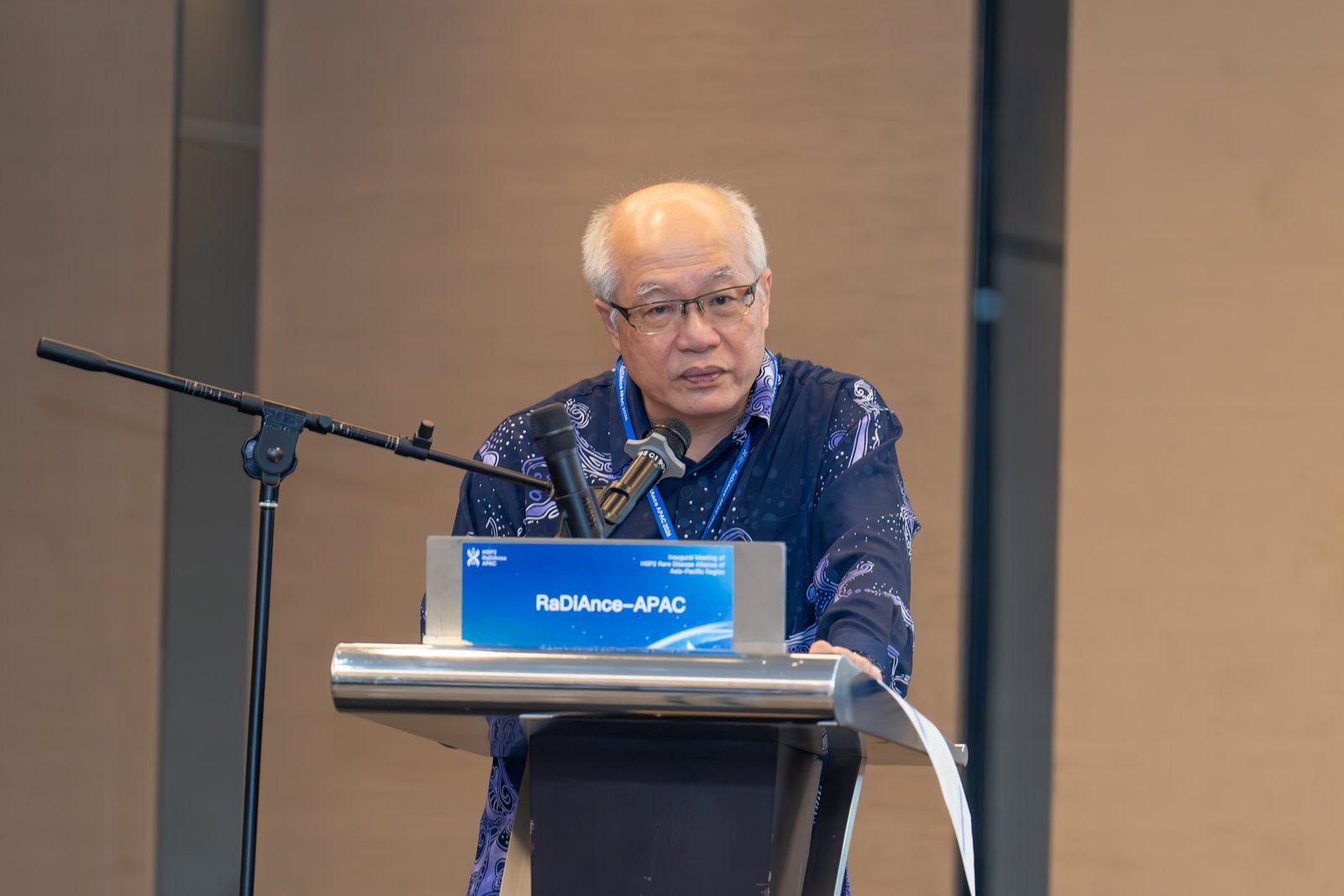 Dr. Thong Meow Keong speaks at the ceremony. (Credit: HGP2 RaDiAnce-APAC)
Dr. Thong Meow Keong, Professor at Universiti Tunku Abdul Rahman and Visiting Consultant Clinical Geneticist at University Malaya Medical Centre, said that the Asia-Pacific region is currently advancing the HGP2, focusing on the development of rare disease diagnosis, genetic technology, and precision public health. With millions of people worldwide affected by rare diseases, he expressed his expectation that genetic technology and artificial intelligence will drive the transformation of healthcare systems in the field of rare diseases.
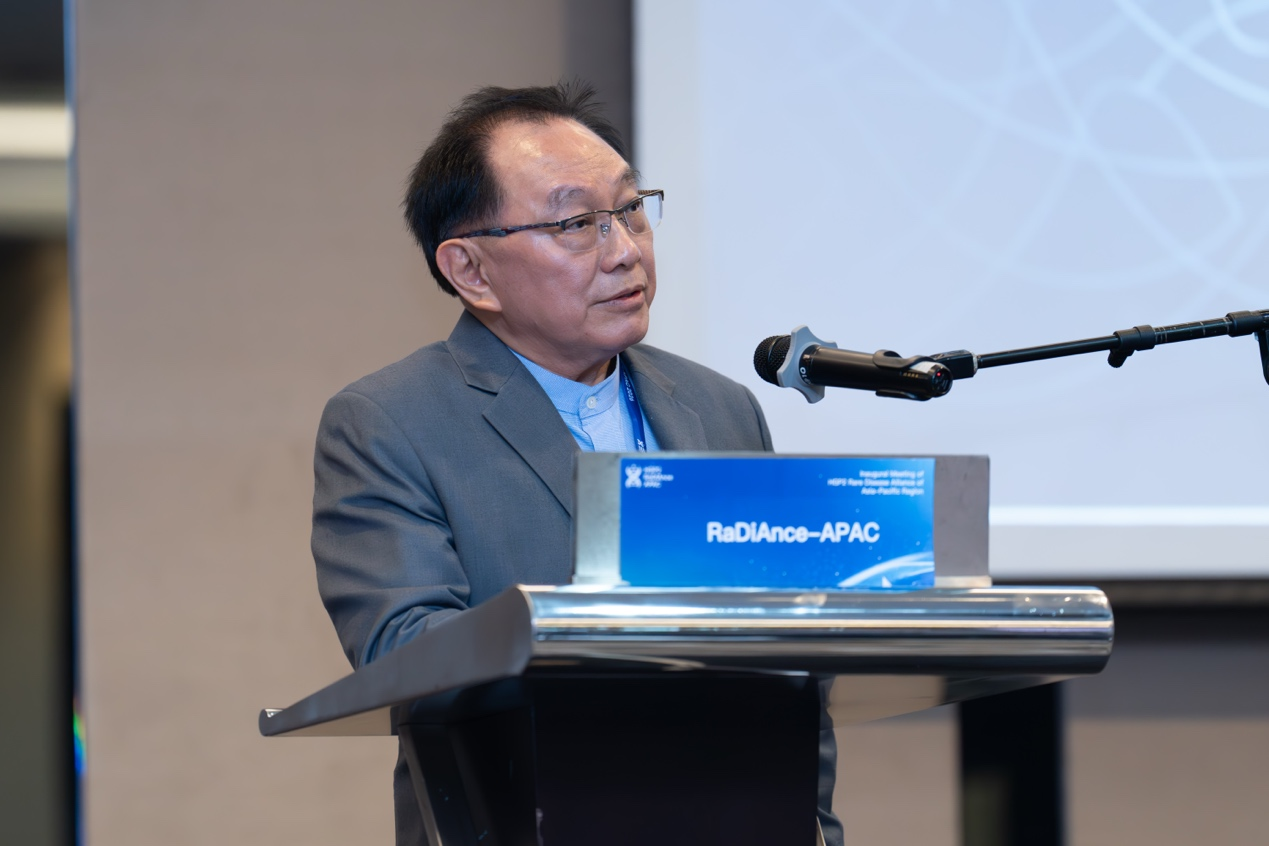 Dr. Thanyachai Sura speaks at the ceremony. (Credit: HGP2 RaDiAnce-APAC)
Dr. Thanyachai Sura, Professor of Medicine in the Medical Genetics and Genomics Unit at Ramathibodi Hospital of Mahidol University, stated, “Thailand is entering the genomic era, and these technologies can improve outcomes and shorten the time to diagnosis, especially for rare diseases. As a lower- to middle-income country, we must adopt them step by step, with careful attention to cost-effectiveness, clinical need, and patient access. Through collaboration and shared learning, we can build a practical and sustainable genomic approach for Thailand and for countries with similar healthcare contexts.”
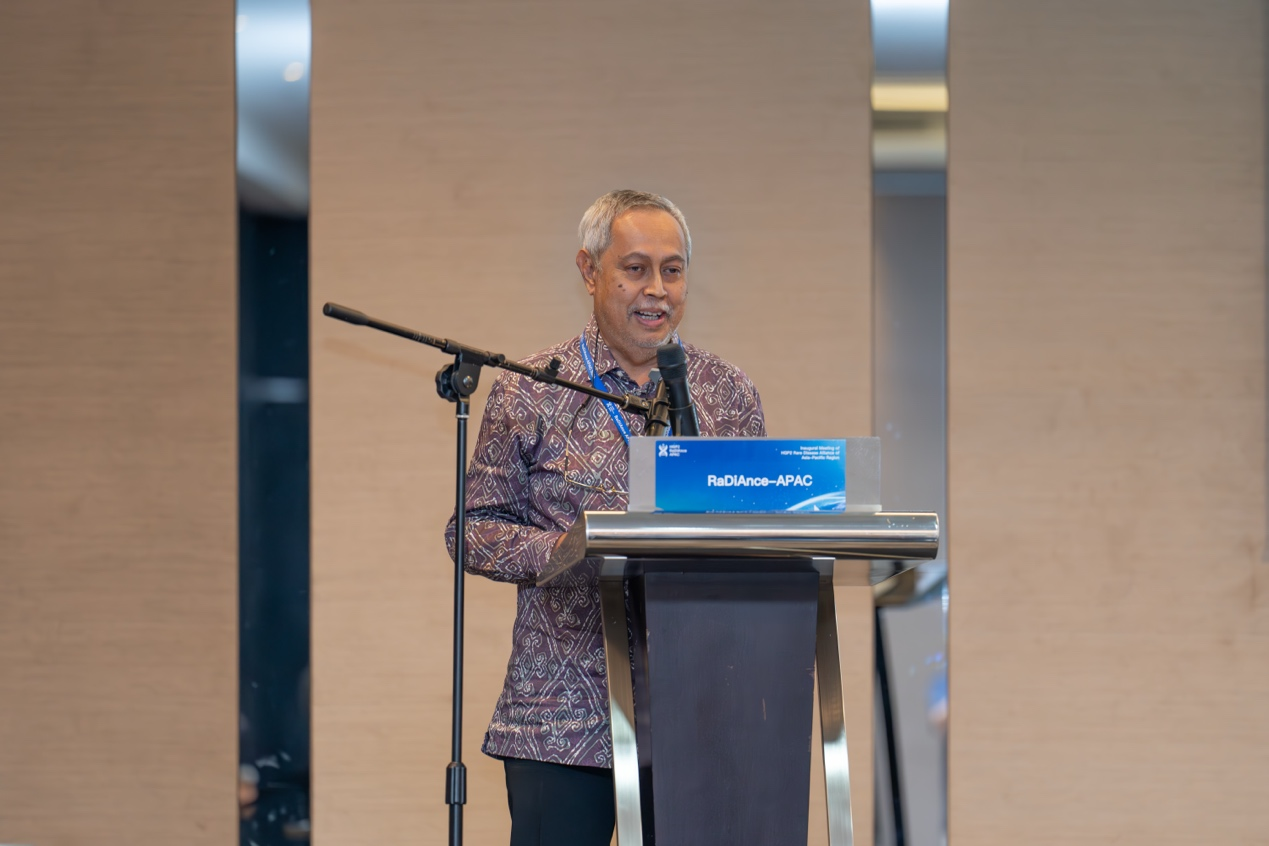 Dr. Zilfalil Bin Alwi speaks at the ceremony. (Credit: HGP2 RaDiAnce-APAC)
Dr. Zilfalil Bin Alwi, Professor of Medical Genetics and Senior Consultant Pediatrician and Clinical Geneticist at Universiti Sains Malaysia, said, “We should not neglect rare diseases simply because they are ‘rare’ or require more resources to manage. The establishment of HGP2 RaDiAnce-APAC is both timely and important. It provides a valuable platform for low- and middle-income countries in the region to connect, collaborate, and address rare disease issues together.”
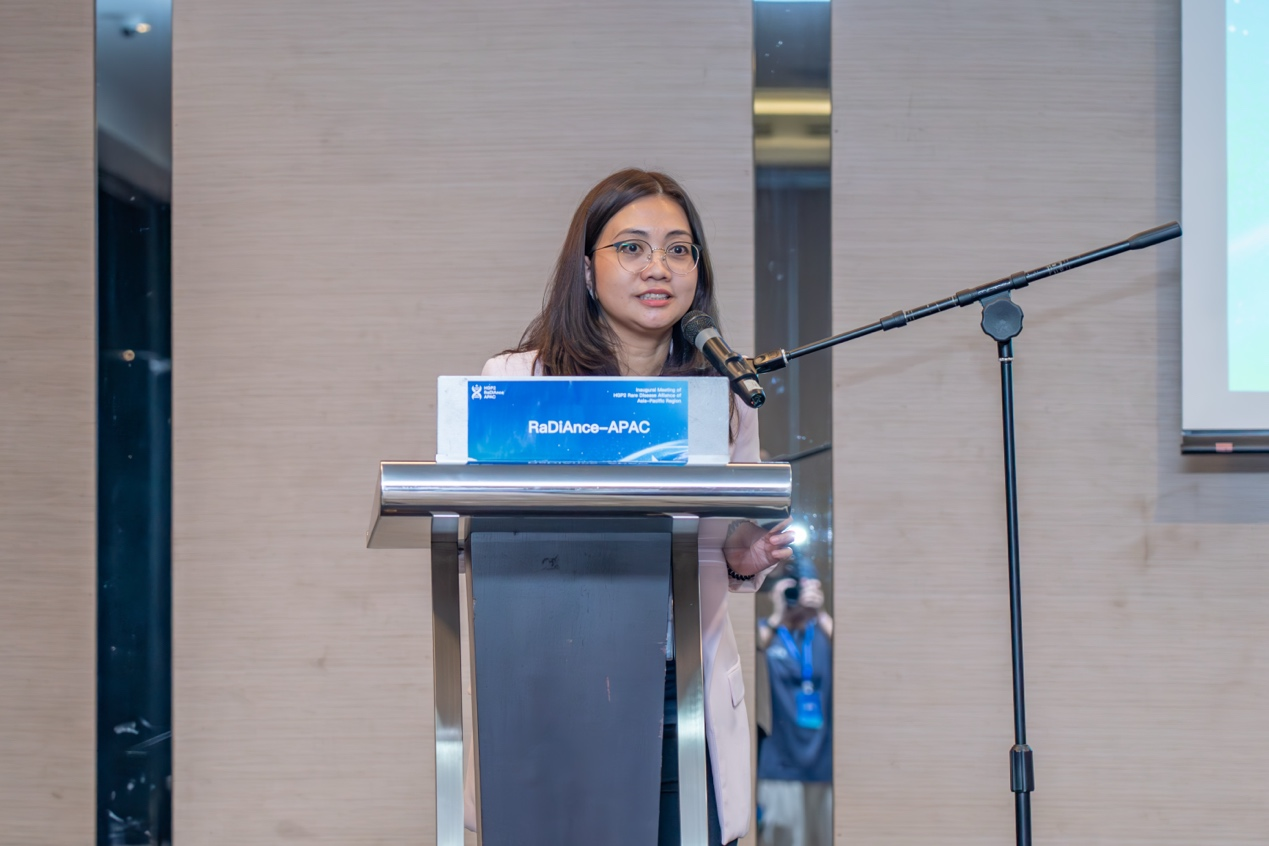 Dr. Ludi Dhyani Rahmartani speaks at the ceremony. (Credit: HGP2 RaDiAnce-APAC)
Dr. Ludi Dhyani Rahmartani, Pediatric Specialist at Universitas Indonesia and RSUPN Dr. Cipto Mangunkusumo Hospital, said, “Genomics and AI are the future. If we can collaborate with each country, as well as with organizations that provide genomic diagnostics across Southeast Asia, we can raise our standards, grow together as a team, and help many people.”
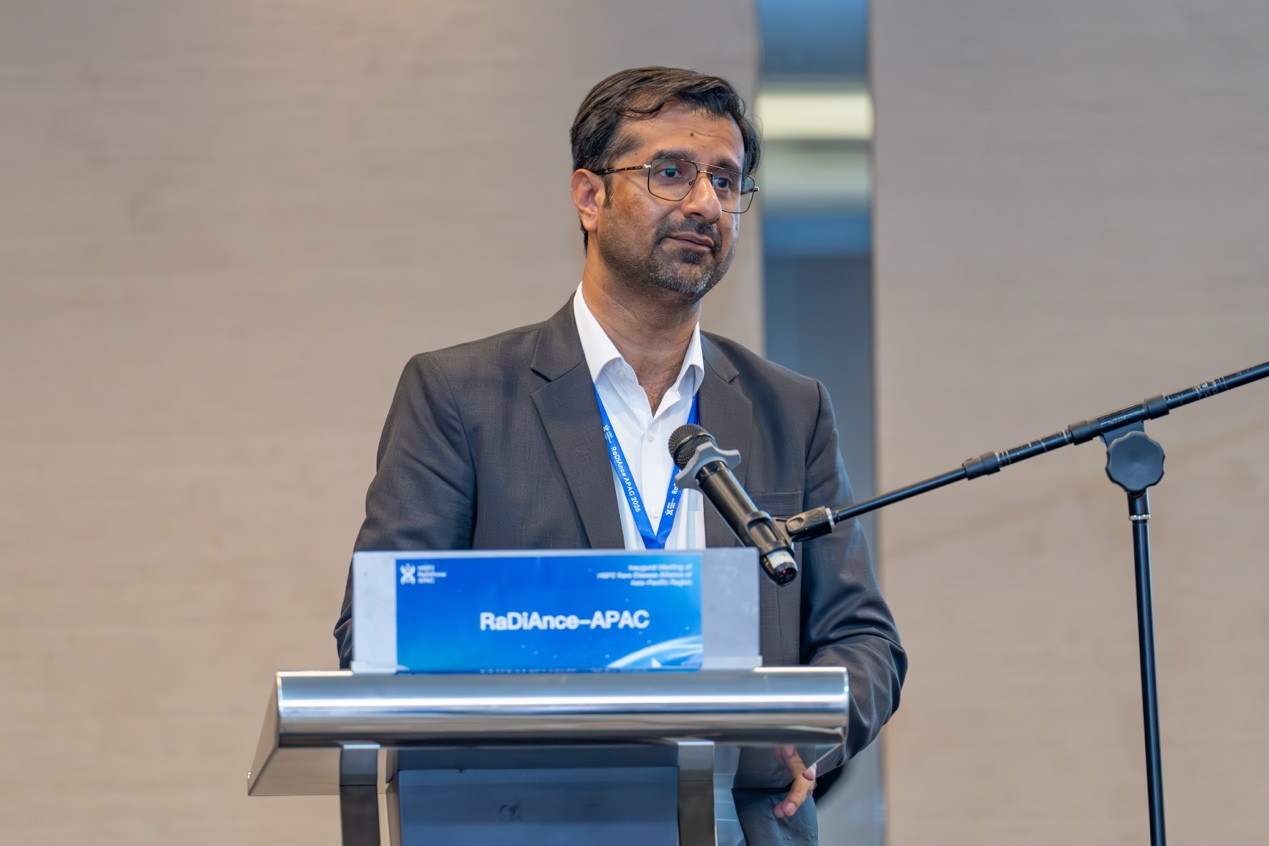 Dr. Muhammad Jawad Hassan speaks at the ceremony. (Credit: HGP2 RaDiAnce-APAC)
Dr. Muhammad Jawad Hassan, Medical Geneticist at Shifa International Hospital and Professor of Biosciences at Shifa Tameer-e-Millat University, said, “In the post-genomic era, clinicians and medical geneticists must go beyond diagnosis to integrate genomics, data, and multidisciplinary care. For countries like Pakistan, building local genomic resources and strengthening clinical capacity are essential to achieving earlier diagnoses, better treatment decisions, and improved prevention of genetic disease.”
As part of the launch event, alliance members jointly signed the Joint Declaration of the HGP2 RaDiAnce-APAC Initiative, setting out a shared framework for collaboration in rare disease care across Asia-Pacific.
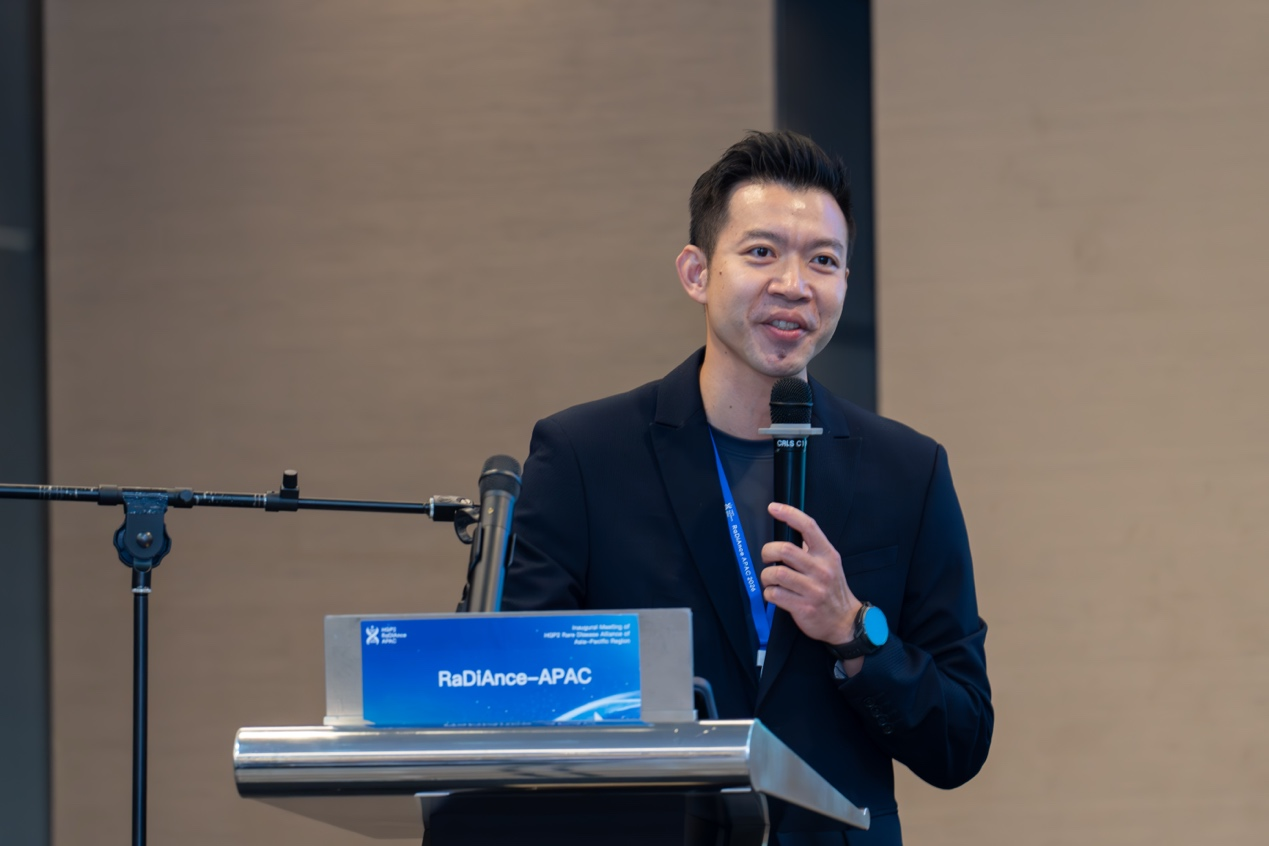 Mr. Cao Sujie, HGP2 RaDiAnce-APAC Secretary-General, hosts the launch event. (Credit: HGP2 RaDiAnce-APAC)
Rare diseases remain a significant public health challenge across Asia-Pacific, where disparities in healthcare resources, policy development and diagnostic infrastructure continue to affect patient care. In response to these challenges, the alliance is focused on four core priorities - regional cooperation, scientific innovation, capacity building and policy advocacy - to support more coordinated progress in rare disease prevention, diagnosis and care across the region.
To advance these priorities, the alliance aims to build a cross-border platform for the secure and compliant sharing of diagnostic experience, technical approaches and data resources; accelerate the broader application of genomics and other advanced technologies in rare disease diagnosis, screening and intervention; strengthen professional training and laboratory capacity, particularly in underserved and less-developed regions; and promote policy coordination and public awareness to improve access to care and quality of life for patients living with rare diseases.
Going forward, HGP2 RaDiAnce-APAC will serve as a platform for professional dialogue, priority-setting and practical cooperation, while continuing to broaden participation from additional countries and institutions across Asia-Pacific.
For more information about HGP2 RaDiAnce-APAC, please visit: https://en.genomics.cn/APAC/index.aspx