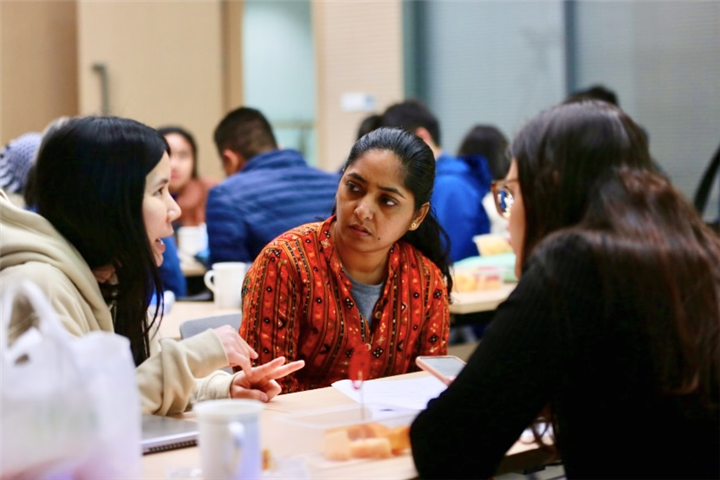

Taking place June 21st – July 5th, 2026, in Shenzhen, BGI Group extends a warm welcome to your participation in the course of Applicable Smart Medical Technology Training Program for "Belt and Road" Countries. Organized by BGI College, this 15-day program is designed for mid- to senior-level prof...
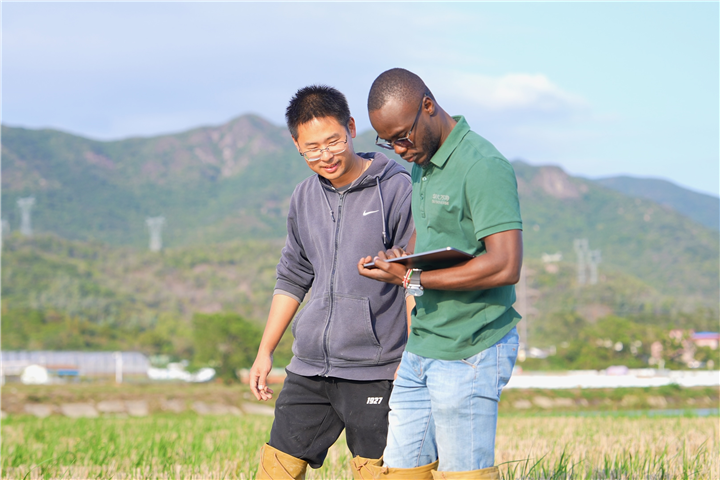
Learn detailsChoices, conviction and curiosity. These are the driving forces that have taken Wyclif Odago from the shores of Lake Victoria in Kenya to be a Project Operation Specialist at BGI Bioverse and a PhD candidate in Botany at the University of Chinese Academy of Sciences. As the fi...
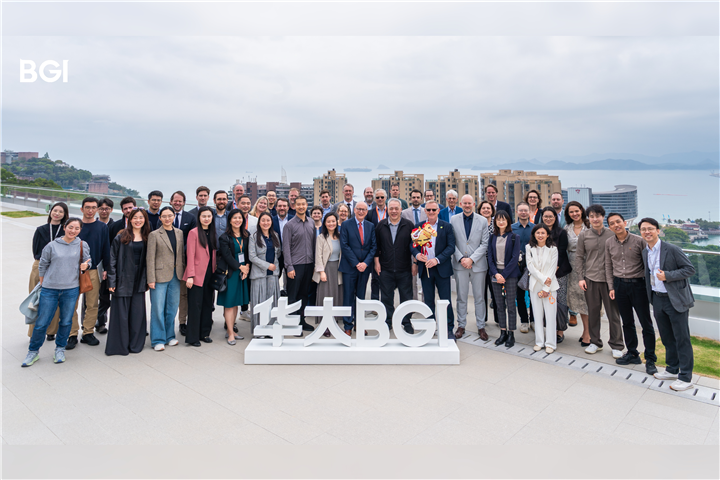
Learn detailsOn March 17, a Dutch biotechnology delegation, organized by the Netherlands Innovation Network China and led by Antoni Mandemaker, Deputy Consul General of the Kingdom of the Netherlands in Guangzhou, visited the BGI Center, the global headquarters of BGI Group. The delegation engaged in high-lev...
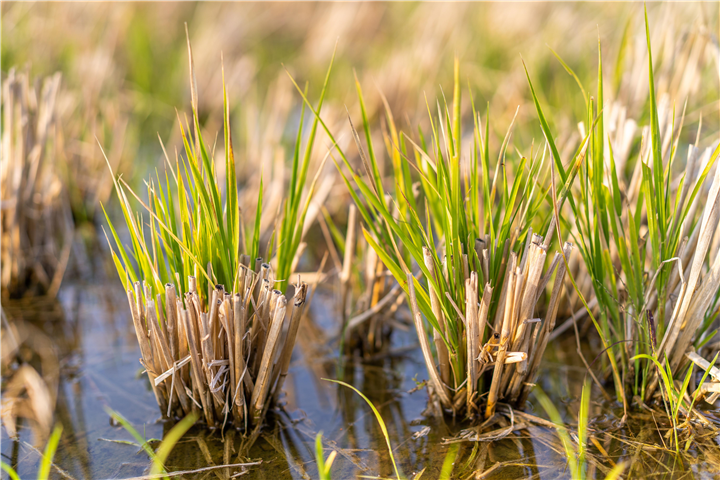
Learn detailsRice. A versatile cereal grain thrown at weddings for prosperity, put in salt-shakers to absorb moisture, an abrasive cleanser, and a staple food for half of the world’s population, with 90% of cultivation taking place in Asia.Archaeological findings in China show that rice cultivation dates ba...
Climate change and global warming have impacted agricultural productivity, leading to declining crop yields and escalating food prices worldwide. This has economic and social implications for governments, which has included societal unrest and famine in some instances.As a result, boosting the adapt...
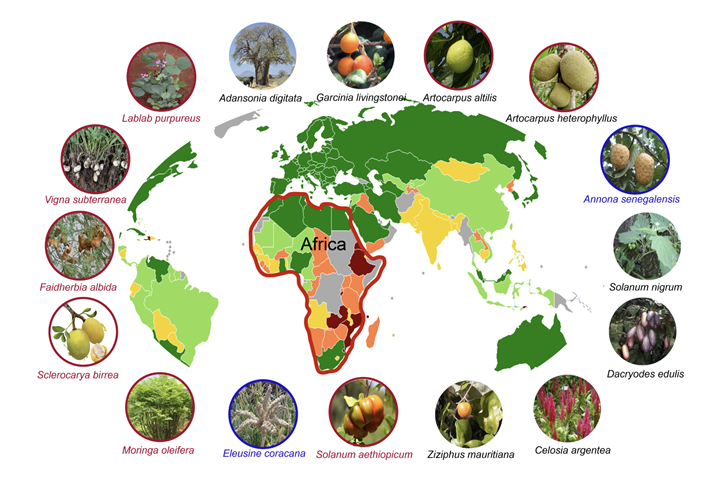
What if the humble baobab tree, cocoa plant and cassava could help solve the world’s growing hunger problems? Globally, about 690 million people – or 8.9% of the world’s population – go to bed hungry. The majority of the world’s undernourished – 381 million – are found in Asia, and more than 25...
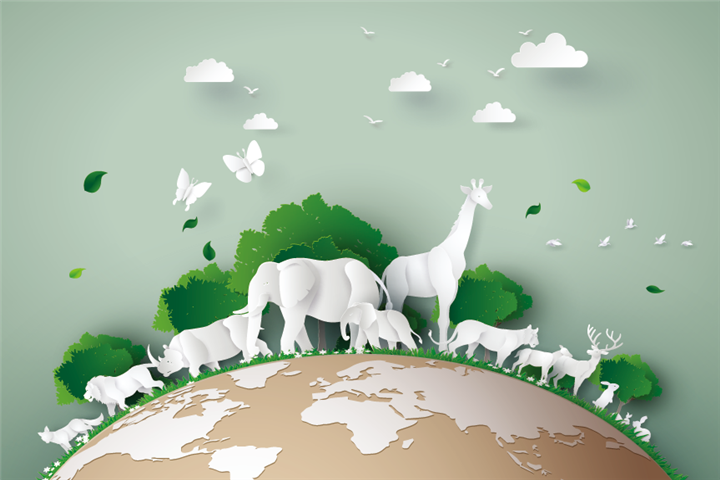
Genetic resources are a core biological resource. Obtaining clear genetic information can be of great significance for human health, society and economic development. The Earth BioGenome Project (EBP) aims to sequence, catalog and characterize the genomes of all eukaryotic organisms on Earth over a ...
Globally, an estimated 8 million or 6% of babies are born with a birth defect every year1, creating significant physical, psychological and economic repercussions on individuals, families and healthcare systems. Birth defects are structural or functional anomalies that occur during intrauterine...
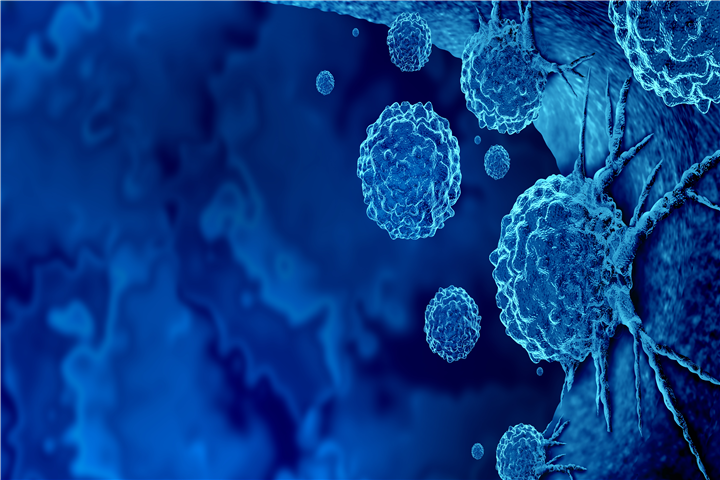
Cancer is a particularly costly disease, not just in terms of the required medical treatments, but also the loss of human life and impact on society as a whole. The disease accounted for nearly 10 million, or nearly one in six, deaths worldwide in 2020, and this figure is expected to rise to 16 mill...